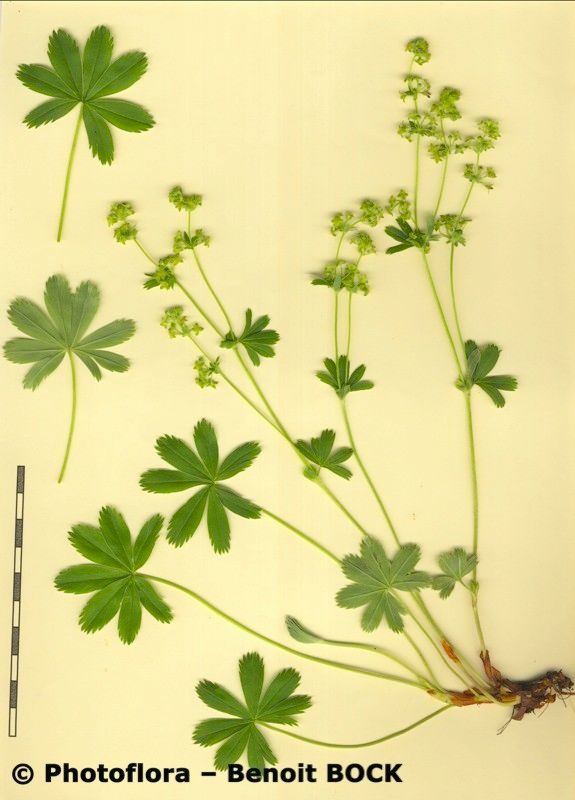
Oh, hello there, fellow garden enthusiast! I’m so thrilled you’re interested in Alchemilla glacialis, or as many of us fondly call it, Glacier Lady’s Mantle. It’s a truly charming plant, isn’t it? With those delicate, frosted-looking leaves and frothy sprays of greenish-yellow flowers in early summer, it brings such a soft, ethereal beauty to any shady nook. And the best part? Propagating it is wonderfully rewarding, and I think it’s actually quite beginner-friendly! Seeing those tiny new plants take hold is one of life’s simple, yet profound, gardening joys.
The Best Time to Start
For Alchemilla glacialis, I find the sweet spot for propagation is generally in late spring or early summer, just as the plant is in full swing with its new growth and before the intense heat of midsummer really kicks in. This gives cuttings or divisions plenty of time to establish themselves before cooler weather arrives. You can also have success with divisions in early autumn, giving them a chance to settle in before winter.
Supplies You’ll Need
Gathering your tools beforehand makes the whole process so much smoother. Here’s what I always have on hand:
- Sharp, clean pruning shears or a small knife. A clean cut is so important to prevent disease.
- A well-draining potting mix. I like a blend of regular potting soil with perlite or coarse sand added. Something that won’t stay soggy is key.
- Small pots or seed trays with drainage holes.
- A watering can with a fine rose nozzle or a spray bottle for gentle watering.
- Optional: Rooting hormone (though Alchemilla glacialis often roots quite readily without it).
- Optional: A clear plastic bag or propagator lid to create a humid environment.
Propagation Methods
Alchemilla glacialis is a wonderfully cooperative plant, and propagation is usually straightforward. The two main methods I rely on are division and taking softwood cuttings.
Division
This is my go-to method, especially when I’m tidying up a mature clump. It’s like giving your plant a birthday present!
- First, gently dig up the entire plant from its spot, being careful not to damage the roots too much.
- Once it’s out, you can often see natural divisions where new shoots are emerging from the base.
- Using your hands or a clean spade, carefully pull the plant apart into smaller sections. Each section should have some roots and at least a few healthy shoots.
- If the root ball is very dense, you might need to use your shears or knife to cut through it, ensuring each piece gets enough roots.
- Replant the divisions immediately into their new homes, whether that’s back in the garden or into pots filled with your prepared potting mix. Water them in well.
Softwood Cuttings
This method is great for getting lots of new plants from a single, vigorous specimen.
- In late spring or early summer, select a few healthy, non-flowering stems from your Alchemilla. Look for stems that are flexible but not too limp – this is “softwood.”
- Using your sharp shears, cut lengths of about 4-6 inches. Make sure each cutting has at least two sets of leaves.
- Remove the lower leaves from the cutting, leaving just the top couple of sets. You can even pinch off the very tip if it’s long and floppy.
- If you’re using rooting hormone, dip the cut end of the stem into it.
- Gently insert the cuttings into pots filled with your well-draining potting mix. Make a hole first with a pencil or dowel to avoid brushing off the hormone. Stick them in deep enough so they stand upright and have good contact with the soil. About an inch or two is usually sufficient.
- Water them in gently and, if you can, cover the pots with a clear plastic bag or place them in a propagator. This helps maintain humidity for the cuttings.
The “Secret Sauce” (Pro Tips)
Here are a couple of things I’ve learned over the years that really seem to boost success:
- When taking cuttings, don’t be afraid to be a bit ruthless. Choose vibrant, healthy stems. A plant that’s struggling won’t produce good cuttings. Also, if you’re taking cuttings and plan to pot them later, keep them in a cool, damp paper towel in the fridge for a few hours at most. They won’t last long out of water!
- For cuttings, bottom heat can make a world of difference. I sometimes place my pots on a heat mat designed for propagation. This encourages root development from below without cooking the top of the plant. It’s a real game-changer, especially if your ambient temperature isn’t consistently warm.
Aftercare & Troubleshooting
Once your divisions or cuttings are planted, the gentle care continues.
- Keep the soil consistently moist, but not waterlogged. It’s better to water less frequently but deeply. For cuttings under covers, mist the inside of the bag occasionally if it looks dry.
- Wait patiently! Divisions should perk up within a week or two. Cuttings can take anywhere from 3-6 weeks to show signs of rooting. You can gently tug on a cutting – if you feel resistance, it means roots have formed.
- The biggest issue you might encounter is rot. This usually happens when the soil is too wet and there isn’t enough air circulation. If you see stems or leaves turning black and mushy, unfortunately, that cutting is likely lost. Remove it immediately to prevent it from spreading. Ensure good drainage and, for cuttings, remove the plastic cover for a few hours each day to allow for airflow.
A Encouraging Closing
There you have it! Propagating Alchemilla glacialis is a truly delightful process. Don’t get discouraged if a few don’t make it – that’s part of the learning curve. Be patient, enjoy the process, and soon you’ll have plenty of these lovely plants to fill your garden or share with friends. Happy gardening!
Resource:
https://identify.plantnet.org/k-world-flora/species/Alchemilla%20glacialis%20Buser/data