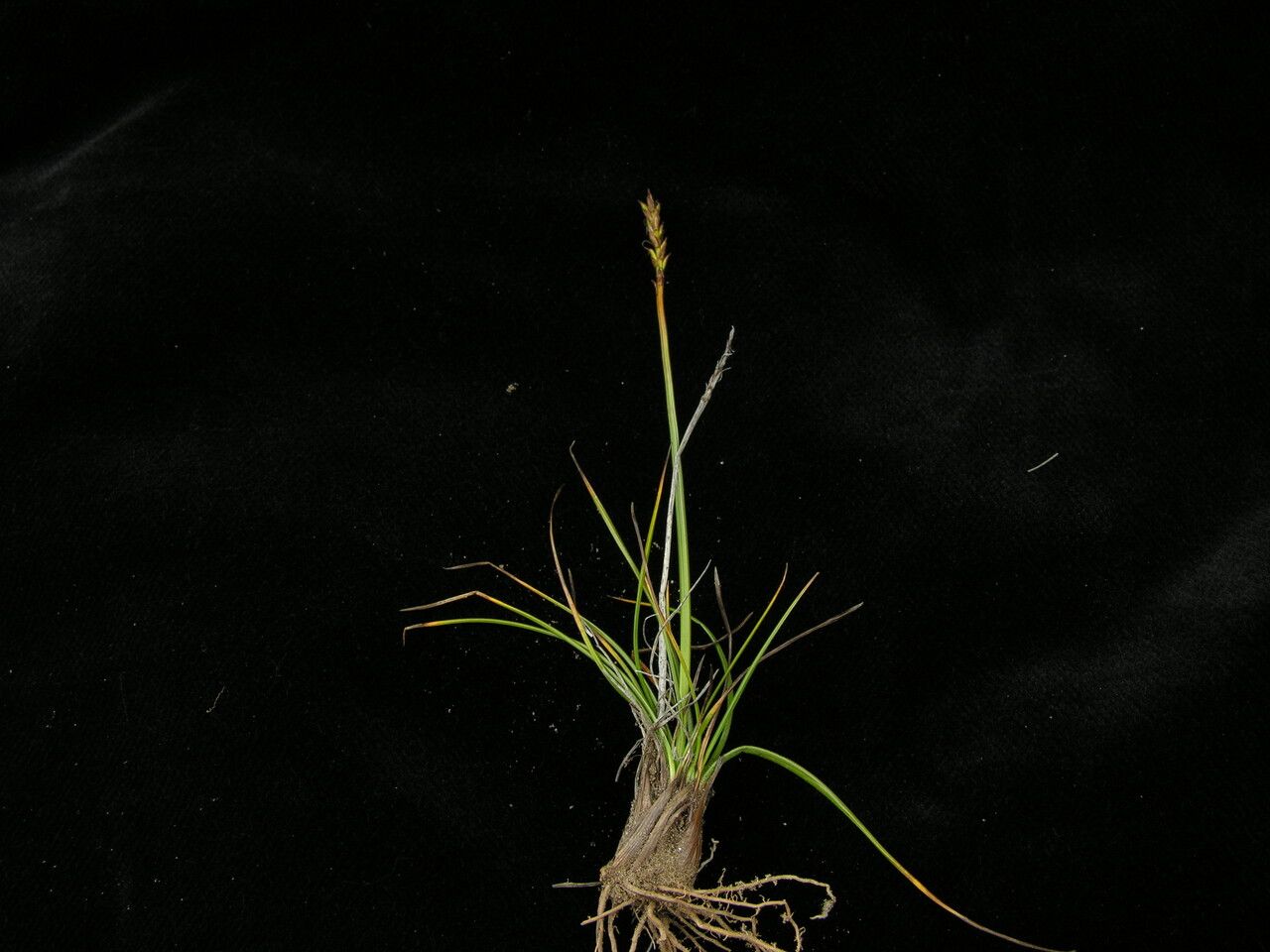
Oh, how I adore Carex buchananii! You know, the one with those gorgeous, upright, coppery-bronze blades that look like they’re always ready for a ballet performance? It adds such a unique texture and color to the garden, especially when the sun hits it just right. If you’ve fallen for its charm like I have, then you’re probably thinking about getting more of it. Propagating Carex buchananii is a wonderful way to multiply your existing plants and share them with friends. And guess what? It’s actually quite achievable, even for those of you who are just starting your gardening journey.
The Best Time to Start
For the absolute best chance of success, I find that early spring, just as new growth is starting to emerge, is your golden window. You want the plant to be actively growing and full of vigor. Late summer can also work, but the cooler temperatures might slow things down a bit. Avoid trying to propagate from a stressed or dormant plant; patience is key here.
Supplies You’ll Need
Gathering your supplies beforehand makes the whole process much smoother. Here’s what I usually have on hand:
- Sharp, clean pruning shears or a sharp knife: For making clean cuts.
- Small pots or seed trays: Clean ones, please!
- Well-draining potting mix: A mix of perlite and peat moss or coco coir works beautifully. I often add a little bit of coarse sand too.
- Rooting hormone (optional but recommended): For an extra boost.
- Watering can or spray bottle: For gentle watering.
- Labels: To keep track of what you’ve planted!
- A plastic bag or humidity dome: To keep moisture levels up.
Propagation Methods
Carex buchananii is most easily propagated through division and, with a little care, stem cuttings.
Division
This is my go-to method for sedges. It’s straightforward and often gives you multiple new plants from one!
- Wake up the plant: Gently remove the entire Carex buchananii clump from its pot or dig it up from the ground. If it’s in the ground, do this when the soil is slightly moist, not bone dry or waterlogged.
- Loosen things up: Gently brush away as much of the old soil as you can from the root ball.
- The gentle tug: You can often tease the plant apart with your hands. For tougher clumps, use your pruning shears or a sharp knife to cut through the root ball, dividing it into sections. Aim for sections that have healthy roots and at least a few leafy shoots.
- Pot them up: Plant each division in its own pot filled with your well-draining potting mix. Make sure the crown of the plant (where the leaves emerge from the roots) is at soil level.
- Water in: Water thoroughly until water runs out of the drainage holes.
Stem Cuttings (Less Common, but Possible)
While division is king, you can try a few cuttings if you want to experiment.
- Take a cutting: In spring or early summer, select a healthy, non-flowering shoot. Using your clean shears, make a cut just below a leaf node (where a leaf attaches to the stem). You want cuttings that are about 4-6 inches long.
- Prepare the cutting: Gently remove the lower leaves, leaving just a few at the top. If you’re using rooting hormone, dip the cut end into it now.
- Plant the cutting: Fill a small pot with your well-draining mix. Make a small hole with a pencil or your finger and insert the cut end of the stem. Firm the soil gently around it.
- Create a humid environment: Water the soil lightly. Then, cover the pot with a plastic bag or a humidity dome. Make sure the leaves don’t touch the plastic if possible.
- Place it right: Put the pot in a bright spot, but out of direct, harsh sunlight.
The “Secret Sauce” (Pro Tips)
Here are a couple of little tricks I’ve learned over the years:
- When dividing, don’t be afraid to expose the roots a little. Sometimes, you’ll find the growth is really tight, and you need to gently tease out sections to encourage them to establish separately. Scrubbing off more of the old soil can actually help you see where to divide.
- For cuttings, bottom heat is your friend. If you have a propagation mat or can place the pot on top of a gently heated surface (like a modem or a warm windowsill), it really speeds up root formation and reduces the chances of rot.
Aftercare & Troubleshooting
Once your divisions or cuttings are planted, keep them consistently moist, but not waterlogged. For cuttings, gently tug on a leaf every so often. If you feel resistance, it means roots have formed! This can take anywhere from a few weeks to a couple of months, so be patient.
The most common problem you might run into is rot, usually due to overwatering or poor drainage. If you see your cutting turning mushy or yellowing rapidly, it’s likely a sign of too much moisture. If you discover this early, you might be able to save it by removing the rotted part and repotting in drier soil. For divisions, if they look limp and sad after a few weeks, check the root system. If it’s mushy and black, rot has set in.
Once your new plants are nicely established and showing good, steady growth, you can start to treat them like mature Carex buchananii. Gradually reduce the humidity and eventually acclimate them to normal garden conditions before planting them out.
A Little Encouragement
Propagating plants is such a rewarding endeavor. It’s like magic, watching a tiny piece transform into a whole new life. Don’t get discouraged if your first attempt isn’t perfect. Gardening is all about learning, observing, and trying again. Enjoy the process, celebrate your successes, and soon you’ll have a beautiful collection of your beloved coppery sedges! Happy propagating!
Resource:
https://identify.plantnet.org/k-world-flora/species/Carex%20bonatiana%20(Kük.)%20N.A.Ivanova/data