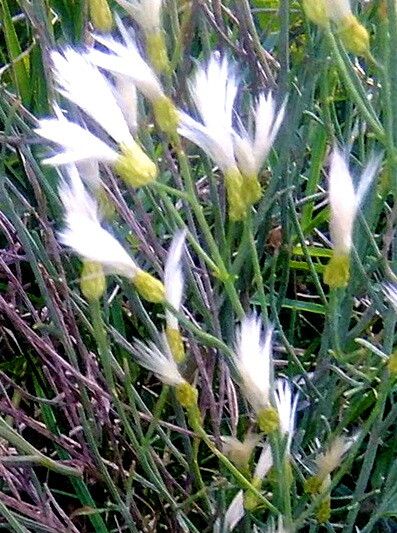
Well, hello there, fellow plant lover! Pull up a chair and let’s chat about one of my garden’s current darlings: Baccharis notosergila. You know, that tough-as-nails beauty with its silvery foliage and cheerful little blooms that seem to shrug off just about anything? I’ve grown quite fond of its resilience and the way it adds a touch of wild elegance to my space. And guess what? Propagating it is a surprisingly rewarding venture, even for those just dipping their toes into the world of plant-making. Don’t worry, we’ll get you started with plenty of confidence!
The Best Time to Start
For Baccharis notosergila, the absolute sweet spot for taking cuttings is in late spring to early summer. This is when the plant is actively growing, and those young, supple shoots are full of life and energy. They’re much more eager to root when they have that vibrant growth spurt happening. Avoid taking cuttings from very old, woody stems.
Supplies You’ll Need
Here’s a handy list of what you’ll want to have on hand:
- Sharp pruning shears or a clean knife: For making nice, clean cuts.
- Rooting hormone (optional but recommended): A little boost never hurts! I like the powder form.
- Small pots or seed-starting trays: With drainage holes, of course!
- A good quality potting mix: I usually opt for a mix of equal parts potting soil, perlite, and coarse sand. This provides excellent drainage, which is crucial for Baccharis.
- A watering can with a fine rose or a spray bottle: For gentle watering.
- A clear plastic bag or a propagator lid: To create a humid environment.
Propagation Methods: Let’s Get Our Hands Dirty!
Stem cuttings are your best friend for this plant. It’s straightforward and yields excellent results.
Stem Cuttings:
- Take your cuttings: Look for non-flowering, current season’s growth. Aim for stems about 4-6 inches long. Make your cut just below a leaf node (where a leaf attaches to the stem).
- Prepare the cuttings: Gently remove the lower leaves, leaving just a few at the very top. This prevents them from rotting once planted in the soil.
- Apply rooting hormone (optional): Dip the cut end of each stem into your rooting hormone. Tap off any excess.
- Plant the cuttings: Fill your pots or trays with your prepared moist potting mix. Make a small hole with a pencil or your finger for each cutting. Insert the cuttings, ensuring that the nodes where you removed the leaves are buried in the soil.
- Water gently: Water the soil thoroughly until water drains from the bottom.
- Create humidity: Cover the pot with a clear plastic bag or a propagator lid. This traps moisture and keeps the cuttings from drying out while they’re trying to root. Place them in a bright spot, but out of direct, scorching sun.
The “Secret Sauce” (Pro Tips)
Here are a few things I’ve learned over the years that seem to make all the difference:
- When you’re preparing your cuttings, if you notice any tiny, undeveloped flower buds, pinch them off. The plant’s energy is better spent on growing roots, not trying to flower right away.
- Don’t be afraid to give them a gentle misting every couple of days if you think the humidity is dropping inside your cover. Just a light spritz is enough.
- If you have access to it, placing your pots on a gentle heat mat can really speed up the rooting process. It mimics the warmth of spring soil and tells those little roots, “It’s time to grow!”
Aftercare & Troubleshooting
Once your cuttings have been in their humid little homes for a few weeks, you’ll start to see signs of life. You can gently tug on a cutting – if there’s resistance, you’ve got roots! Take off the plastic cover for a few hours a day, gradually increasing the time until they’re fully acclimatized to normal humidity. Water when the top inch of soil feels dry.
The main thing to watch out for is rot. If a cutting turns black and mushy, it’s likely succumbed to overwatering or poor drainage. Don’t be disheartened; just discard it and try again with fresh cuttings and a well-draining mix. Sometimes, a cutting just won’t take, and that’s part of the process.
Happy Growing!
Propagating plants is a journey, not a race. Be patient with your new Baccharis notosergila babies. Watching them sprout roots and grow into their own little plants is incredibly satisfying. Enjoy the hands-on experience, learn from each attempt, and before you know it, you’ll have a whole collection of these wonderful, resilient shrubs to share or enjoy yourself. Happy gardening!
Resource:
https://identify.plantnet.org/k-world-flora/species/Baccharis%20notosergila%20Griseb./data