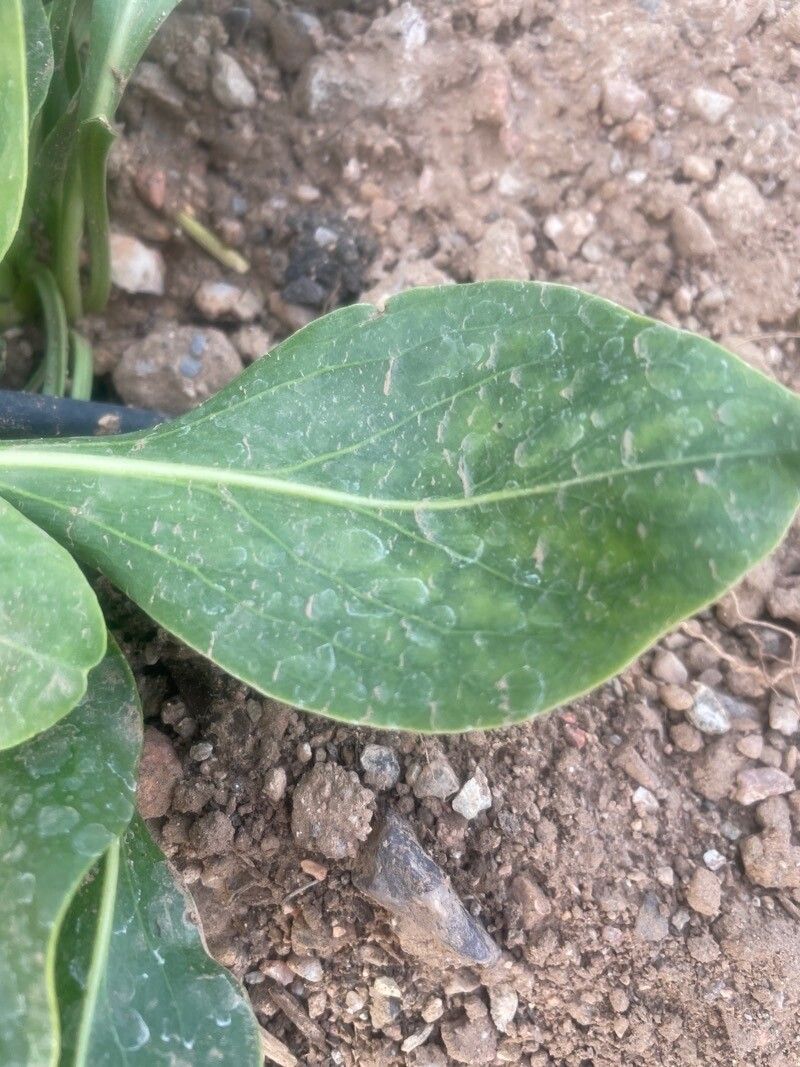
Oh, Penstemon havardii! What a beauty. Those vibrant, tubular flowers are just a magnet for hummingbirds and a showstopper in any garden. If you’re looking to fill your garden with these beauties, or share them with fellow plant lovers, propagating them yourself is incredibly satisfying. Think of it as giving these amazing plants a second life! For beginners, I’d say this one falls into the “moderately easy” category. A little patience and a few key steps, and you’ll be well on your way.
The Best Time to Start
The sweet spot for propagating Penstemon havardii is definitely late spring to early summer. This is when the plant is actively growing and has plenty of healthy, new stems to work with. You want to choose stems that are not too woody, but also not brand new and flimsy. Think of stems that have just finished their initial flush of growth, perhaps before they start setting seed.
Supplies You’ll Need
Here’s what you’ll want to have on hand before we get started:
- Sharp pruning shears or a clean knife: For taking nice, clean cuttings.
- Rooting hormone (optional but recommended): This really gives your cuttings a boost. Look for one formulated for herbaceous cuttings.
- A well-draining potting mix: I like a blend of peat moss, perlite, and a little bit of compost. Or, buy a good quality seedling mix.
- Small pots or propagation trays: Clean, with drainage holes!
- Plastic bags or a clear propagation lid: To create a humid environment.
- Watering can with a fine rose: So you don’t disturb your tiny cuttings.
- Labeling stakes: To keep track of what you planted, and when!
Propagation Methods
I find the easiest and most successful method for Penstemon havardii is through stem cuttings.
-
Take Your Cuttings: Head out to your Penstemon in the late spring/early summer. Look for healthy, non-flowering stems that are about 4-6 inches long. Using your sharp pruners or knife, make a clean cut just below a leaf node (where a leaf joins the stem). Remove the lower leaves from the cutting, leaving just a few at the top. You can also pinch off any flower buds.
-
Prepare the Cuttings: Dip the cut end of each stem into your rooting hormone, tapping off any excess. This is a step that really does make a difference in encouraging strong root development.
-
Plant Your Cuttings: Fill your small pots or trays with your well-draining potting mix. Make a little hole in the center of the mix with your finger or a pencil. Gently insert the cutting into the hole, ensuring the leaf nodes that were buried are now covered by soil. Firm the soil gently around the base of the cutting. You want at least one or two leaf nodes to be below the soil line.
-
Create a Humid Environment: Water the soil thoroughly but gently. Then, cover the pots with a plastic bag, securing it around the rim with a rubber band, or place them under a clear propagation lid. This humidity is crucial for preventing the cuttings from drying out before they can form roots.
-
Find the Right Spot: Place your pots in a bright spot that gets indirect light. A sunny windowsill that doesn’t get direct scorching afternoon sun is ideal.
The “Secret Sauce” (Pro Tips)
Here are a couple of things I’ve learned over the years that really help:
- Don’t let the leaves touch the water. Whether you do water propagation (which I don’t recommend as much for Penstemon) or use this cutting method, if any leaves are submerged, they will rot. This can take down your whole cutting. So, trim them off or make sure they’re well above the soil line.
- Bottom heat is your friend! If you have a heat mat designed for seed starting, placing your propagation trays on it can significantly speed up root formation. Penstemon, like many natives, appreciates a little warmth from below to get things going.
Aftercare & Troubleshooting
Once your cuttings have roots (you’ll know they’re ready when you give them a gentle tug and feel resistance, or you see new growth!), it’s time for a little more attentive care. Gradually introduce them to more direct sunlight over a week or two. Continue to water them consistently, keeping the soil moist but not waterlogged. You can move them into slightly larger pots as they grow.
The most common issue you’ll encounter is rot. If your cuttings turn mushy or black at the base, it’s likely due to too much moisture and not enough air circulation. This is where that well-draining mix and good ventilation are so important. If you see signs of rot, you might need to discard that cutting and try again, perhaps with slightly less watering or better air flow.
A Little Patience Goes a Long Way
Propagating plants is a journey, and it requires a bit of patience. Don’t get discouraged if not every cutting takes. Nature has its own pace! Celebrate the successes, learn from the challenges, and most importantly, enjoy the process of nurturing new life. Happy propagating!
Resource:
https://identify.plantnet.org/k-world-flora/species/Penstemon%20havardii%20A.Gray/data