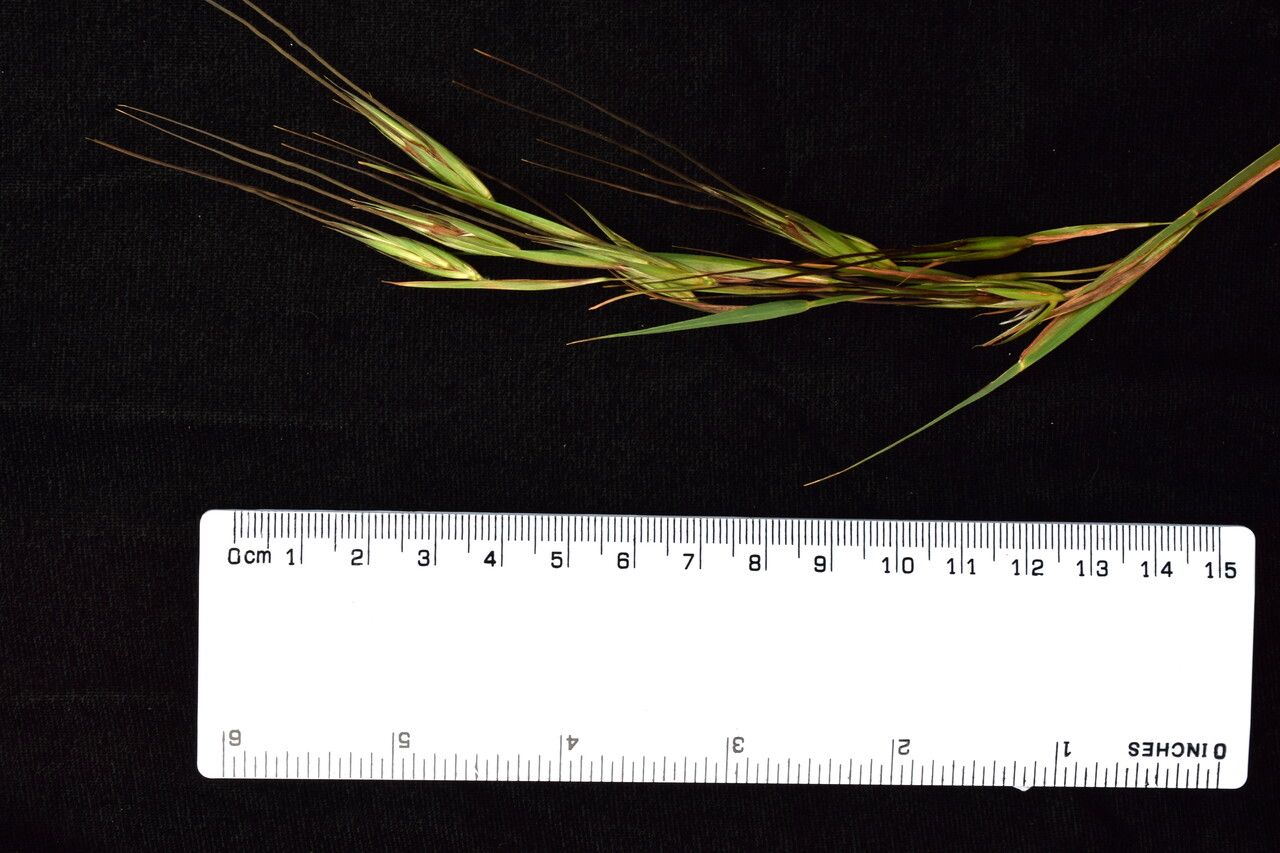
Hello fellow plant lovers! Today, I want to chat about a grass that truly steals the show with its elegant, arching foliage and lovely, often reddish-bronze tones: Themeda caudata. If you’ve ever admired this beauty in a garden and wished you could have more of it gracing your own space, you’re in luck! Propagating Themeda caudata is a wonderfully rewarding endeavor, and I’m here to guide you through it. Now, for the good news – this is a pretty straightforward plant to propagate, even for those of you just starting your gardening journey.
The Best Time to Start
Timing is everything in the garden, isn’t it? For Themeda caudata, the sweet spot for propagation is in the late spring or early summer. This is when the plant is in full swing with its growth cycle. The days are getting longer, the temperatures are pleasantly warm, and new shoots are bursting with energy. You’ll find that cuttings taken at this time have the best chance of rooting quickly and successfully.
Supplies You’ll Need
Before we dive in, let’s gather our tools. Having everything ready makes the process so much smoother.
- Sharp Pruning Shears or a Clean Knife: For making clean cuts.
- Potting Mix: A well-draining mix is crucial. I like to use a blend of equal parts seed starting mix and perlite for excellent aeration.
- Small Pots or Trays: Whatever you have on hand that’s clean and has drainage holes.
- Rooting Hormone (Optional but Recommended): A powder or gel can give your cuttings a helpful boost.
- Watering Can with a Fine Rose: For gentle watering.
- Plastic Bags or Clear Domes: To create a mini-greenhouse effect.
- Labels: To keep track of what you’ve planted.
Propagation Methods
For Themeda caudata, the most successful method is division. It’s like giving a mature plant a little haircut and getting multiple new plants in return!
Division: Step-by-Step
- Dig Up the Parent Plant: In late spring or early summer, carefully dig up your Themeda caudata plant. You want to get as much of the root ball as possible. Gently shake off excess soil so you can clearly see the root structure.
- Inspect and Separate: Look at the base of the plant. You’ll likely see distinct clumps or sections emerging from the main root ball.
- Divide Gently: With your hands or a clean trowel or knife, carefully pull or cut the root ball into smaller sections. Aim for sections that have a good amount of healthy roots and at least one or two vigorous shoots. Don’t be afraid to get in there; the plant is quite resilient.
- Trim if Necessary: If any of the shoots are very long or damaged, you can trim them back slightly to encourage new growth.
- Replant Immediately: This is important! Get your new divisions into their new pots or their designated spot in the garden right away.
- Potting Mix: Fill your chosen pots with your well-draining potting mix. Make a small hole in the center and place a division in it, spreading the roots out gently.
- Water Thoroughly: Water your newly potted divisions generously to settle the soil around the roots and eliminate air pockets.
The “Secret Sauce” (Pro Tips)
Here are a couple of things I’ve learned over the years that can really make a difference:
- Don’t Overwater After Division: While you want to water well initially, be cautious about keeping the soil constantly soggy. Overwatering can lead to root rot, especially for fresh divisions. Let the top inch of soil dry out slightly between waterings.
- Consider a Little Top Dressing: Once your divisions are established and showing new growth, a light top dressing of compost or a slow-release organic fertilizer can give them a gentle, welcome boost.
Aftercare & Troubleshooting
Once your Themeda caudata divisions are in their pots, keep them in a partially shaded location for the first few weeks. This helps them adjust without the stress of direct, hot sun. Water them consistently, making sure the soil drains well.
You’ll know your division is happy when you start to see new leaf growth appearing. This usually happens within a few weeks.
The most common sign of trouble is wilting and browning leaves, particularly if the soil is kept too wet. If you see this, check your watering. Make sure the pot has good drainage. If rot has set in, it can be hard to recover, but sometimes trimming away any mushy, black roots and repotting in fresh, dry soil can help.
A Encouraging Closing
Propagating plants is such a wonderful way to connect with nature and expand your garden without spending a fortune. Be patient with your new Themeda caudata divisions. Some might take a little longer than others to show signs of life, and that’s perfectly okay. Enjoy the process, celebrate the tiny bits of new growth, and soon you’ll have more of this stunning grass to love. Happy gardening!
Resource: