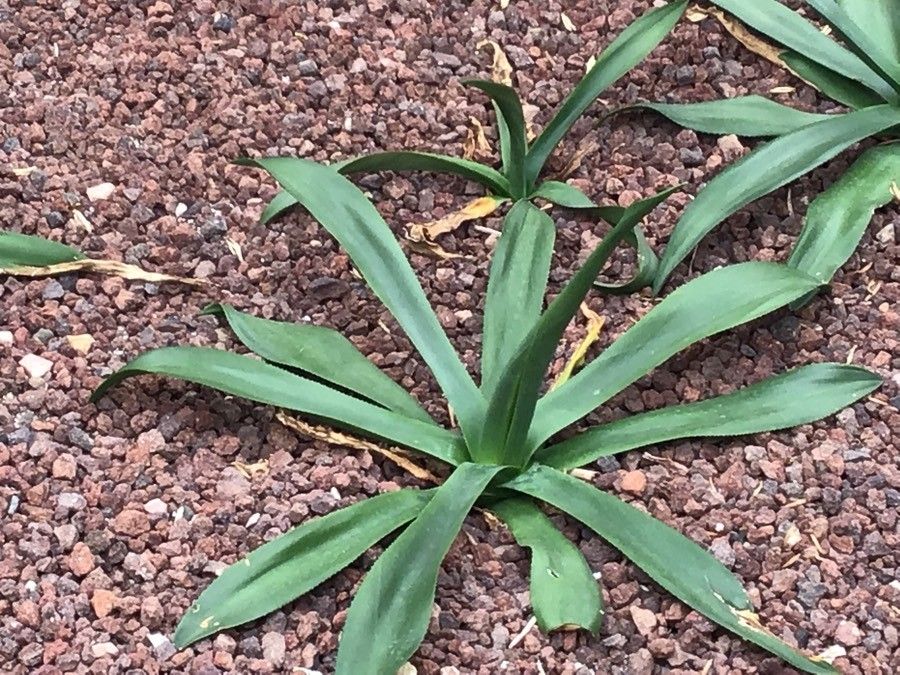
Hello, fellow plant lovers! If you’ve ever admired the striking architectural beauty of an Agave cundinamarcensis, you know it’s a plant that makes a statement. Those sharp, elegant leaves, often tinged with a beautiful blue-gray, are just stunning. Growing them is one thing, but making more of them? That’s where the real gardening joy comes in. I’m going to walk you through propagating this magnificent succulent, and trust me, it’s a journey well worth taking. While it might seem a bit intimidating at first glance, with a little guidance, you’ll be well on your way to success.
When to Get Your Hands Dirty
The absolute best time to think about propagating your Agave cundinamarcensis is during its active growing season. For most agave species, this means spring and summer. You’re looking for a time when the plant is vibrant and putting on new growth. This energy translates into a better chance for cuttings to root and thrive. Avoid trying to propagate when the plant is dormant or during cool, damp periods, as this can lead to rot.
Your Propagation Toolkit
Before we dive in, let’s gather our supplies. Having everything ready makes the process smooth and enjoyable, just like preparing ingredients for a good meal.
- Sharp, Clean Pruning Shears or a Knife: Essential for making clean cuts to minimize damage and disease.
- Rooting Hormone (Optional, but Recommended): A powder or gel that encourages root development. Not strictly necessary for agaves, but it can speed things up.
- Well-Draining Potting Mix: This is critical for succulents. A good blend for agaves is about 50% coarse sand or perlite and 50% standard potting soil, or a specially formulated cactus/succulent mix.
- Pots or Containers: Small pots or even seed trays with drainage holes will work.
- Gloves (Optional): Those agave spines can be sharp!
- Watering Can with a Fine Rose or Spray Bottle: For gentle watering.
How to Grow More Agaves
Agave cundinamarcensis is typically propagated from offsets, often called “pups.” These are baby plants that grow from the base of the main mother plant. It’s similar to how many other succulents reproduce.
Step 1: Identify the Offsets. Look around the base of your mature agave. You should see smaller, baby plants starting to emerge. They’ll have their own roots already forming.
Step 2: Prepare Your Tools. Make sure your pruning shears or knife are sterilized. A quick wipe with rubbing alcohol is perfect. This prevents transferring any potential diseases to your cuttings or the mother plant.
Step 3: Gently Detach the Offset. Using your sharp tool, carefully cut the offset away from the mother plant. Try to get as much of the base with its developing roots as possible. If an offset seems to pull away easily with roots attached, you can sometimes just wiggle it gently by hand.
Step 4: Let it Callus. This is a super important step, especially with succulents! Place the detached offset in a warm, dry, and well-ventilated spot for a few days, or even a week. You want the cut surface to dry out and form a protective callus. This scab-like layer prevents rot when you plant it. Don’t rush this!
Step 5: Plant Your New Agave. Once the cut end has callused over, it’s time to plant. Fill your chosen pot with your well-draining potting mix. Make a small hole in the center and gently place the offset into the soil, ensuring the callused end is covered. You don’t need to bury too much of it.
Step 6: Initial Watering (or Not!). I usually wait about a week after planting before watering for the very first time. This gives any tiny, fragile roots a chance to settle in without the immediate shock of moisture. After that initial watering, let the soil dry out completely between waterings.
My “Secret Sauce” for Success
You know, in my years of gardening, I’ve picked up a few tricks that make a world of difference. Here are a couple of my favorites for agave propagation:
- Don’t Overwater the Pups! I can’t stress this enough. Succulents are built to store water. Overwatering new cuttings before they’ve established roots is the fastest way to invite rot. When in doubt, wait another day or two before watering.
- Consider Bottom Heat (Especially for Beginners). If you’re propagating in a cooler environment, pop your pots on a gentle heating mat designed for seedlings. This provides consistent warmth to the base of the plant, encouraging root development much faster than relying on ambient air temperature alone.
Aftercare and What to Watch For
Once your little agave is planted and you’ve given it its first drink (after the waiting period!), it needs a bright, indirect light spot. Think a sunny windowsill but not direct, scorching sun that could scorch tender new growth.
You’ll know it’s rooting when you see new leaf growth. This can take anywhere from a few weeks to a couple of months. Gently tugging on the plant (don’t pull hard!) will also give you a sense of resistance if roots have formed.
The main enemy here is rot. If the leaves start to look mushy, yellow, or black at the base, or if the whole plant collapses, it’s a strong sign of overwatering and rot. Unfortunately, once rot sets in, it’s very difficult to save. Prevention through good drainage and careful watering is key. If you see rot, try to remove the affected parts and let what’s left try to callus again, but success rates are low once it’s established.
Happy Propagating!
Growing new plants from your existing ones is one of the most satisfying parts of gardening. It connects you to the cycle of life and fills your home and garden with more beauty. Be patient with your Agave cundinamarcensis offsets. They take their time, but when they finally start to grow, you’ll feel an immense sense of accomplishment. Enjoy the process, and soon you’ll have a whole collection of these magnificent succulents!
Resource:
https://identify.plantnet.org/k-world-flora/species/Agave%20cundinamarcensis%20A.Berger/data