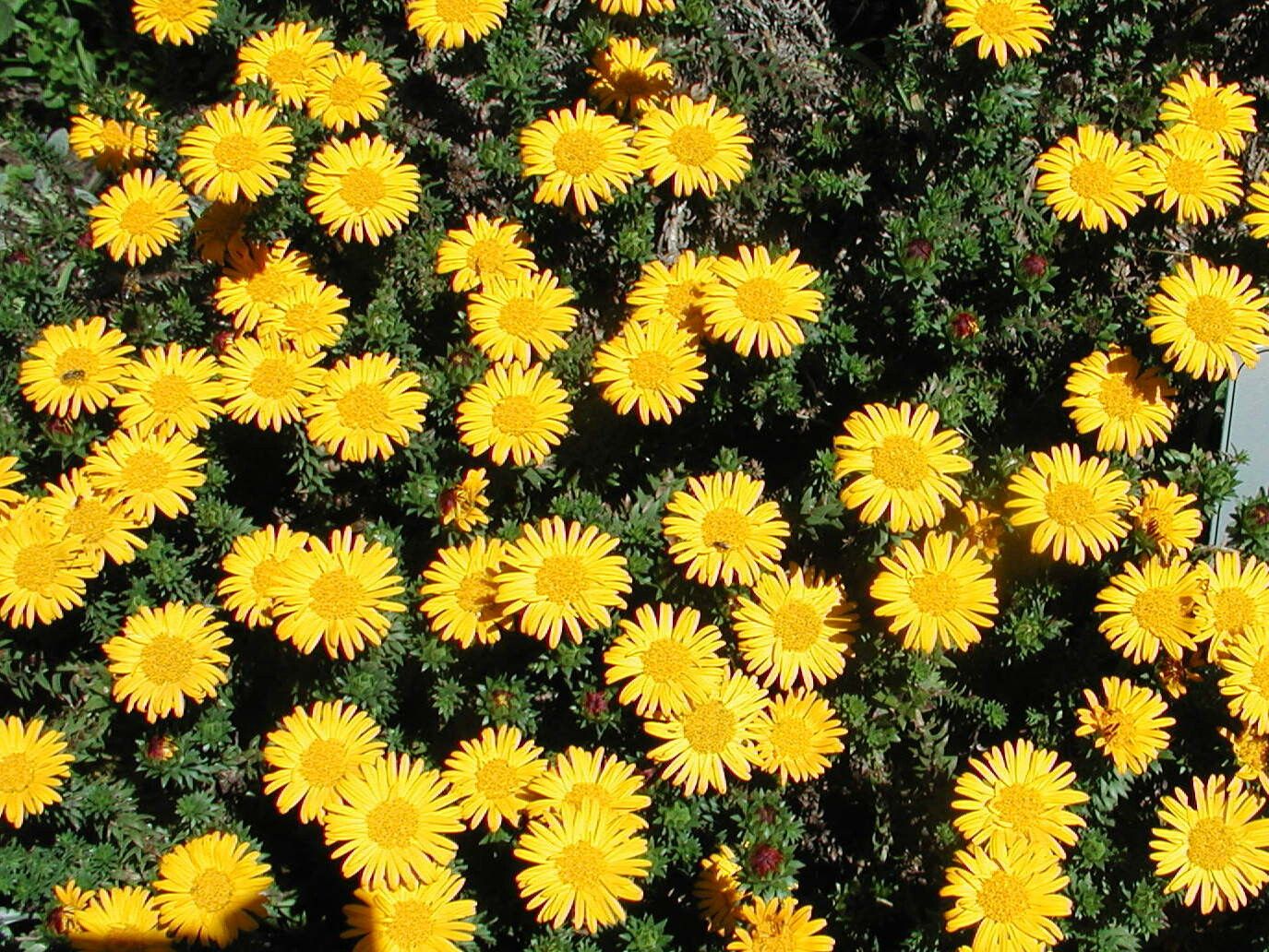
Hello fellow plant enthusiasts! Welcome back to the blog. Today, we’re diving into the wonderful world of propagating Oedera imbricata, also affectionately known as ‘Cape Daisy’ or ‘Little Donkey’s Tail’. If you’ve ever admired its delicate, silvery foliage and charming daisy-like flowers, you’re in the right place. Getting more of these beauties for yourself or to share is a surprisingly simple and incredibly rewarding endeavor. For beginners, I’d say Oedera imbricata is quite forgiving, making it a fantastic plant to practice your propagation skills on.
The Best Time to Start
Generally, the spring and early summer months are your golden ticket for propagating Oedera imbricata. This is when the plant is actively growing, meaning it has plenty of energy to put into developing new roots. You’ll want to select healthy, non-flowering stems. Think of it like choosing the best branches for a cozy reading nook – you want the ones that are full of life and ready to go!
Supplies You’ll Need
- Sharp Pruning Shears or a Clean Knife: For making clean cuts.
- Potting Mix: A well-draining mix is crucial. I like a blend of equal parts potting soil and perlite or coarse sand.
- Small Pots or Seed Trays: With drainage holes, of course!
- Rooting Hormone (Optional but Recommended): Helps to speed up root development.
- Watering Can or Spray Bottle: For gentle watering.
- Plastic Bag or Propagation Dome: To maintain humidity.
Propagation Methods
I find that stem cuttings are by far the most successful and straightforward method for Oedera imbricata. Here’s how I do it:
- Take Your Cuttings: Using your clean shears or knife, select a healthy stem that’s about 3-4 inches long. Make a cut just below a leaf node – that’s the point where leaves emerge from the stem. You want to take several cuttings to increase your chances of success.
- Prepare the Cuttings: Gently remove the lower leaves from the stem, leaving just a few at the top. This prevents them from rotting once planted.
- Apply Rooting Hormone (Optional): If you’re using rooting hormone, dip the cut end of the stem into the powder or gel. Tap off any excess.
- Plant the Cuttings: Fill your small pots with your well-draining potting mix. Make a small hole in the center of the soil with your finger or a pencil.
- Insert and Water: Place the prepared cutting into the hole, ensuring the leaf nodes are covered by the soil. Gently firm the soil around the stem. Water lightly to settle the soil.
- Create a Humid Environment: Cover the pot with a clear plastic bag stretched over it, or place it under a propagation dome. This creates mini-greenhouse conditions.
The “Secret Sauce” (Pro Tips)
- Don’t Overcrowd Your Pots: Give those new cuttings a little breathing room. Trying to cram too many into one small pot can lead to competition for resources and increased risk of disease.
- Bottom Heat is Your Friend: If you have a heat mat that gardeners use for seed starting, placing your pots on it can dramatically speed up root formation. It mimics the warmth of spring soil.
- The ‘Wiggle Test’ is Key: Don’t tug on your cuttings to see if they have roots! Instead, give them a very gentle wiggle. If you feel resistance, you’ve likely got roots.
Aftercare & Troubleshooting
Once your cuttings have rooted (this can take anywhere from 3-6 weeks, sometimes longer), it’s time to transition them to slightly more robust care. You’ll see new growth appearing, which is a fantastic sign!
- Gradual Acclimatization: Slowly start to remove the plastic bag or dome for increasing periods each day. This helps your new plant get used to normal room humidity.
- Watering: Water the new plants when the top inch of soil feels dry. Avoid letting them sit in soggy soil, as this is a fast track to root rot. You’ll notice the soil will dry out a bit faster than in their humid environment.
- Light: Place your newly rooted plants in bright, indirect light. Direct sun can be too harsh for them at this tender stage.
If you notice your cuttings wilting and looking a bit sad, check the soil moisture. Too dry, and they’ll dehydrate. Too wet for too long, and you might see a mushy stem base – that’s rot. If rot occurs, it’s tough to save those particular cuttings, but don’t despair! Just try again with fresh ones, paying close attention to your soil drainage and watering habits.
A Encouraging Closing
Propagating plants is a journey, and with Oedera imbricata, it’s a delightful one. Be patient with your little cuttings, celebrate every new leaf, and enjoy the process of creating more of these charming plants from just a tiny piece. Happy propagating!
Resource:
https://identify.plantnet.org/k-world-flora/species/Oedera%20imbricata%20Lam./data