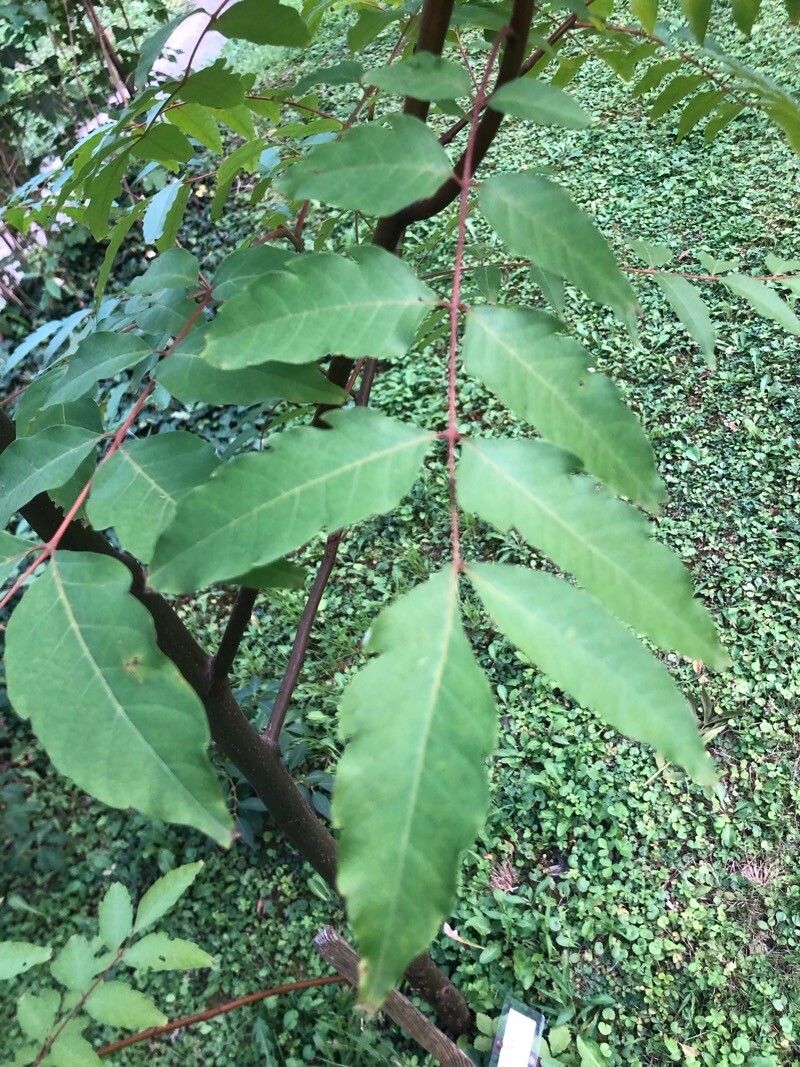
Well hello there, fellow plant enthusiasts! Today, we’re diving into the delightful world of propagating Choerospondias axillaris. If you’re drawn to plants with a bit of character and the joy of bringing new life into your garden, you’re in for a treat. This tree, sometimes called the “Indian hog plum” or “amla,” is a stunner with its edible fruits and graceful form. Getting more of these beauties to grow is incredibly rewarding. Now, I won’t sugarcoat it – for absolute beginners, Choerospondias axillaris can be a little bit of a challenge. But with a bit of know-how and patience, I promise you, it’s absolutely doable!
The Best Time to Start
Timing is everything in the plant world, and for Choerospondias axillaris, the sweet spot is usually late spring to early summer. This is when the plant is actively growing and full of energy. I find that taking cuttings just as the new growth has started to harden off a bit – not the super soft, floppy tips, but the semi-hardwood stage – gives you the best chance for success.
Supplies You’ll Need
Before we get our hands dirty, let’s gather our tools. Having everything ready makes the process so much smoother.
- Sharp Pruning Shears or a Knife: Cleanliness is key to preventing disease.
- Rooting Hormone: A good quality rooting powder or gel can make a big difference.
- Propagation Medium: I usually go for a mix of perlite and peat moss (50/50). It’s light, airy, and drains beautifully. You can also use a fine potting mix with added perlite.
- Small Pots or Seed Trays: Clean, with drainage holes, of course!
- Plastic Bags or a Propagator: To maintain humidity.
- Watering Can with a Fine Rose: For gentle watering.
- Labels and a Marker: To keep track of what you’ve propagated and when.
Propagation Methods
For Choerospondias axillaris, stem cuttings are generally your most reliable method.
Stem Cuttings:
- Select Your Cuttings: Look for healthy stems on your parent plant that are about pencil-thick and roughly 4-6 inches long. As I mentioned, aim for that semi-ripe wood.
- Make the Cut: Using your sterilized pruning shears or knife, make a clean cut just below a leaf node (where a leaf attaches to the stem).
- Prepare the Cutting: Gently remove the leaves from the bottom half of the cutting. You can leave one or two leaves at the top to help with photosynthesis. If the remaining leaves are very large, you might want to cut them in half horizontally. This reduces water loss.
- Apply Rooting Hormone: Dip the cut end of the stem into your rooting hormone, about half an inch deep. Tap off any excess.
- Planting: Fill your clean pots with your propagation mix. Make a small hole with a pencil or dowel. Insert the prepared cutting into the hole, ensuring the rooting hormone stays in contact with the soil. Gently firm the soil around the base.
- Water Gently: Water the pot thoroughly until you see water draining from the bottom.
- Create a Humid Environment: Cover the pot with a clear plastic bag, or place it in a propagator. This traps moisture and creates the humid microclimate cuttings need to root.
The “Secret Sauce” (Pro Tips)
Here are a couple of things I’ve learned over the years that can really boost your success rate.
- Bottom Heat is Your Friend: While not strictly necessary, placing your pots on a heated propagator mat can significantly speed up root formation. It mimics the warmth of spring soil and encourages those roots to get moving.
- Don’t Overwater: This is crucial! While cuttings need moisture, soggy soil is a fast track to rot. Stick your finger into the soil. If it feels wet, wait. If it feels dry, water gently. It’s a delicate balance, but you’ll get the feel for it.
- Air Circulation Matters: Once you start seeing signs of rooting (new leaf growth), it’s time to gradually acclimate your cuttings to open air. Start by leaving the plastic bag open for a few hours each day, slowly increasing the time until the plastic can be removed entirely.
Aftercare & Troubleshooting
Once you see new growth appearing, that’s usually a good sign that roots have formed! You can gently tug on the cutting; if there’s resistance, it’s rooted.
Initially, keep the young plant in its pot with the same humid conditions. Gradually reduce the humidity as you did with the cuttings. Once the plant is established and has a good root system, you can transplant it into a slightly larger pot with a good quality potting mix.
The most common problem you’ll encounter is rot. If your cutting turns black and mushy, or develops fuzzy mold, it’s likely succumbed to rot. This is usually due to too much moisture and poor air circulation. Don’t be discouraged if some fail – it’s part of the learning process! Just pull out the rotten cutting, discard it, and re-evaluate your conditions for the next attempt.
A Encouraging Closing
Propagating Choerospondias axillaris might take a little patience, but the joy of nurturing a new plant from a simple cutting is truly special. Watch them closely, adjust your care as needed, and most importantly, enjoy the journey. Happy propagating!
Resource: