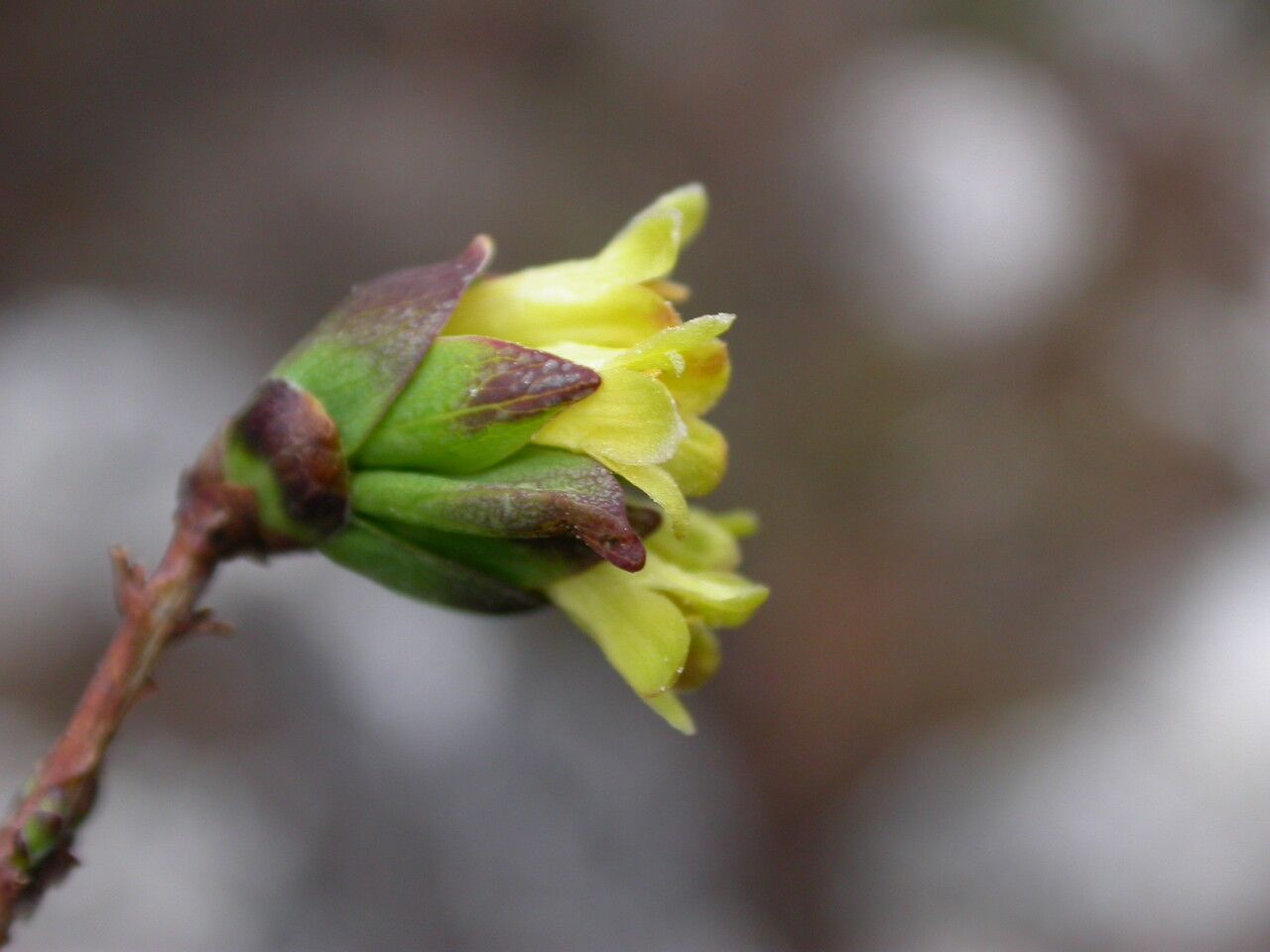
Oh, Lonicera litangensis! You’ve got a real winner there. These honeysuckles, with their delightful blooms and fabulous fragrance, are such a joy in the garden. Sharing that joy by propagating them yourself? That’s a fantastic idea! It’s a truly rewarding feeling to nurture a new plant from a tiny piece of the parent. And the good news for you is, Lonicera litangensis is generally quite forgiving, making it a lovely choice for beginners looking to dip their toes into propagation.
The Best Time to Start
For Lonicera litangensis, your best bet is to propagate in late spring to early summer. This is when the plant is actively growing and has plenty of energy to put into rooting. You’re looking for stems that are no longer the brand-new, soft growth, but not yet woody and old. Think of them as being somewhere in between – slightly firm, yet still bendy. These are often called “semi-hardwood” cuttings.
Supplies You’ll Need
Gathering your tools beforehand makes the whole process smoother. Here’s what I usually have on hand:
- Sharp pruning shears or a clean, sharp knife: For taking precise cuttings.
- Rooting hormone powder or gel: This really gives your cuttings a boost, though some Lonicera can root without it.
- A good quality potting mix: I like a blend that’s light and drains well. A mix of equal parts peat moss or coco coir and perlite or coarse sand is perfect.
- Small pots or trays: Clean ones are essential to prevent disease.
- A plastic bag or a propagation dome: To create a humid environment for your cuttings.
- Water: For keeping things moist.
- Labels and a marker: So you don’t forget what you’ve planted!
Propagation Methods
Stem Cuttings are your go-to method for Lonicera litangensis. It’s straightforward and yields great results.
- Take Your Cuttings: Select a healthy stem from your mature Lonicera litangensis. Using your sharp shears or knife, take cuttings about 4-6 inches long. Make your cut just below a leaf node (where a leaf attaches to the stem).
- Prepare the Cuttings: Gently remove the leaves from the bottom two-thirds of the cutting. You want to leave just a few leaves at the top to help with photosynthesis. If a leaf is very large, I often cut it in half horizontally to reduce water loss.
- Apply Rooting Hormone: Dip the cut end of each cutting into your rooting hormone. Tap off any excess.
- Plant Your Cuttings: Fill your small pots or trays with your prepared potting mix. Make a hole in the center of the mix with your finger or a pencil. Insert the cutting into the hole, ensuring the rooting hormone-coated end is covered. Gently firm the soil around the base of the cutting.
- Water Gently: Water the soil thoroughly but gently. You want it moist, not waterlogged.
- Create Humidity: Place a plastic bag over the pot or cover your tray with a propagation dome. Make sure the plastic doesn’t touch the leaves too much. Secure it around the pot or tray.
The “Secret Sauce” (Pro Tips)
Here are a couple of things I’ve learned over the years that really help boost success:
- Bottom Heat is Your Friend: If you plan on doing a lot of propagation, investing in a heated propagation mat can make a huge difference. It encourages root development from below, which is often the limiting factor. Just place your pots or trays on top of it.
- Don’t Over-Water: It’s a common mistake, especially with cuttings. While they need moisture, soggy soil can lead to rot. I always check the moisture level by gently touching the soil with my finger. If it feels dry to the touch an inch down, then it’s time to water.
Aftercare & Troubleshooting
Once your cuttings are potted, find them a spot with bright, indirect light. Avoid direct sun, as it can scorch those delicate leaves and dry out the cuttings too quickly. Keep the humidity high by misting occasionally if the plastic bag is off, or just let the dome do its work.
You’ll know your cuttings are rooting when you see new leaf growth or gently tug on a cutting and feel resistance. This can take anywhere from a few weeks to a couple of months.
The most common sign of failure is wilting that doesn’t recover or a blackening, mushy stem base. This usually points to overwatering and rot. If you see this, unfortunately, that cutting is likely a goner. Don’t get discouraged – just clean out the pot and try again!
A Encouraging Closing
Propagating Lonicera litangensis is such a satisfying endeavor. Be patient with your little cuttings; they’re on their own little journey to a new life. Enjoy the process, and before you know it, you’ll have a whole collection of these blooming beauties to enjoy yourself, or to share with fellow garden enthusiasts. Happy propagating!
Resource:
https://identify.plantnet.org/k-world-flora/species/Lonicera%20litangensis%20Batalin/data