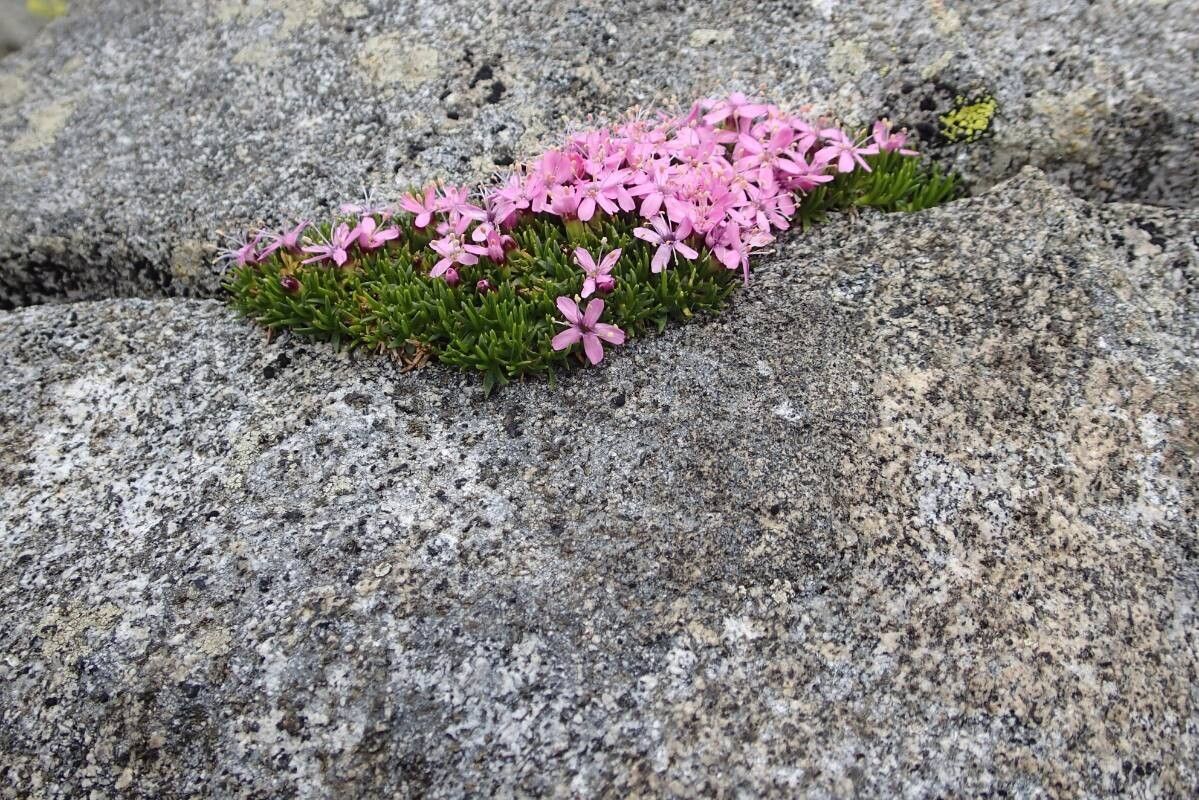
Hello there, fellow plant enthusiasts! It’s so lovely to have you join me in my little corner of the garden. Today, we’re diving into the charming world of Silene acaulis, often called Moss Campion. This little gem forms dense, cushiony mounds, usually dotted with delightful pink or white flowers in spring and early summer. It’s a true alpine beauty, often found clinging to rocky outcrops and scree slopes. Propagating Silene acaulis is a wonderfully rewarding experience. While it might seem a bit fussier than, say, a common geranium, it’s definitely achievable for the determined beginner. Let’s get our hands dirty!
The Best Time to Start
For the highest success rates with Silene acaulis, I’ve found that late spring to early summer is your golden window. This is when the plant is actively growing and has plenty of energy to put towards rooting. If you’re considering division, that same period works beautifully. Avoid trying to propagate when the plant is stressed, like during a heatwave or extreme cold.
Supplies You’ll Need
Gathering your supplies beforehand makes the whole process much smoother. Here’s what you’ll want to have on hand:
- Sharp, clean pruning shears or a sharp knife: For making clean cuts.
- Rooting hormone (optional but recommended): A powder or gel can give your cuttings a helpful boost.
- A well-draining potting mix: I personally like a mix of seedling starting mix with extra perlite or coarse sand. Aim for about a 50/50 blend.
- Small pots or trays: Clean containers are crucial to prevent disease. Yogurt cups with drainage holes poked in work in a pinch!
- A misting bottle: For keeping things humid.
- A clear plastic bag or propagator lid: To create a mini greenhouse effect indoors.
- For division: A sturdy trowel or even a sharp spade.
Propagation Methods
Let’s look at the two most reliable ways to bring more Moss Campion into your life.
Stem Cuttings
This is my go-to method for increasing my collection.
- Take Your Cuttings: In late spring or early summer, carefully select healthy, non-flowering shoots. Using your clean shears or knife, take cuttings that are about 3-4 inches long. Make your cut just below a leaf node (where a leaf grows from the stem).
- Prepare the Cuttings: Gently remove the lower leaves from the cutting, leaving just a few at the top. This prevents them from rotting when they’re in the soil.
- Apply Rooting Hormone: Dip the cut end of each stem into your rooting hormone, tapping off any excess. This step is like giving your cutting a little pep talk for root growth.
- Plant Your Cuttings: Fill your clean pots with your well-draining mix. Make small holes with a pencil or your finger, and gently insert the bottom half of each cutting. Firm the soil around them.
- Create a Humid Environment: Water the soil lightly. Then, place the pots inside a clear plastic bag, sealing it loosely, or cover them with a propagator lid. This keeps the humidity high, which is vital for cuttings to root. Place them in a bright spot out of direct, scorching sun.
Division
If you already have a mature plant, division is a wonderful way to get new specimens while also revitalizing your original.
- Timing is Key: Again, late spring or early summer is best.
- Gently Excavate: Carefully dig up your Silene acaulis plant. You want to disturb the roots as little as possible.
- Separate the Clumps: Once the plant is out of the ground, you should be able to see natural divisions within the root ball. Using your hands, a sturdy trowel, or even two forks back-to-back, gently pull or tease the root ball apart into smaller sections. Each section should have a good amount of roots and some healthy foliage.
- Replant Immediately: Plant each division into its new home as soon as possible, using your well-draining mix. Water them in well.
The “Secret Sauce” (Pro Tips)
Here are a few little tricks I’ve picked up over the years that can make a big difference:
- Don’t let the leaves touch the water: If you’re using a propagation tray with a tray of water underneath for bottom watering, ensure the leaves of your cuttings are not submerged. Any prolonged contact with standing water is an open invitation for rot. Keep them above the waterline!
- Bottom heat is your friend (for cuttings): When rooting cuttings indoors, placing your pots on a gentle heated propagator mat can significantly speed up root formation. It mimics the warmth of the soil in summer and gives those roots a real push. Your cuttings will thank you!
- Patience with the cushion: Silene acaulis grows slowly. Don’t be discouraged if you don’t see rapid growth. For cuttings, I usually wait at least 4-6 weeks before I even think about checking for roots. They’re building their foundation.
Aftercare & Troubleshooting
Once you start seeing signs of new growth – tiny leaves unfurling at the top of your cuttings, or your divided plants looking perky – it’s time for a slightly different approach.
- Gradual Acclimation: If your cuttings were under cover, slowly acclimate them to normal room conditions over a week. Remove the plastic bag for an hour or two each day, gradually increasing the time until they no longer need it.
- Watering: Water consistently, but allow the soil to dry out slightly between waterings. Overwatering is the most common killer of young plants.
- Light: Keep them in a bright location, but still out of intense direct sunlight for the first few months.
- Signs of Trouble: The biggest culprit is rot. If your cuttings turn mushy, black, or wilt dramatically and don’t recover after watering, it’s likely rot. This usually means the conditions were too wet or not enough air circulation. For divisions, wilting that doesn’t improve could also indicate transplant shock or insufficient root development, but rot is the more immediate concern. Good drainage and careful watering are your best defenses.
A Word of Encouragement
Propagating a plant like Silene acaulis is a journey. There might be a few false starts, and that’s perfectly okay. Embrace the process, learn from any setbacks, and celebrate every little success. The joy of nurturing a new plant from a tiny cutting or a divided piece is truly special. So, grab your tools, find a good spot, and enjoy the quiet magic of watching life multiply in your garden. Happy growing!
Resource:
https://identify.plantnet.org/k-world-flora/species/Silene%20acaulis%20(L.)%20Jacq./data