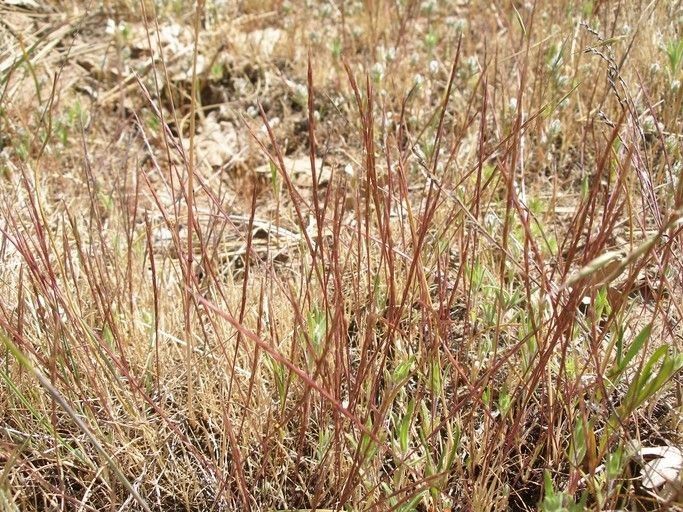
Oh, Deschampsia bolanderi! What a joy it is to talk about this gorgeous bunchgrass. With its delicate, arching foliage and whisper-soft plumes, it brings such a lovely, natural elegance to any garden. If you’ve ever admired its airy beauty and wished you had more of it, good news – propagating it is a really rewarding endeavor! And for those of you just starting out, don’t fret. While it might take a tiny bit more attention than a common houseplant, I’ve found Deschampsia bolanderi to be quite agreeable to propagation, especially with a few gentle nudges. You’ll be creating new beauties in no time!
The Best Time to Start
The absolute best time to get your hands dirty with Deschampsia bolanderi propagation is in the late spring or early summer. This is when the plant is actively growing and has plenty of energy to put into developing new roots. You’re looking for healthy, vigorous growth. If you’ve got divisions to make, waiting until just as the plant is breaking dormancy in early spring also works beautifully.
Supplies You’ll Need
Here’s a little kit to have on hand:
- Sharp, clean pruning shears or a small spade: For making those crucial cuts.
- A well-draining potting mix: I like a blend of equal parts peat moss (or coco coir), perlite, and coarse sand. This is key for preventing soggy roots.
- Small pots or trays: With drainage holes, of course!
- Rooting hormone (optional, but recommended for cuttings): A powder or gel can give young plants a good start.
- Watering can with a fine rose: For gentle watering.
- Labels and a permanent marker: Because you will forget what you planted where!
- A plastic bag or propagator: To create a humid environment.
Propagation Methods
For Deschampsia bolanderi, the most straightforward and successful method is division. This grass forms neat clumps, making it perfect for splitting.
Method: Division
- Gently Excavate: Dig up the entire Deschampsia bolanderi clump. You can do this carefully with your hands or a spade. Try to disturb the root ball as little as possible.
- Examine the Root Ball: Gently shake off excess soil. Look for natural divisions within the plant. You should be able to see where new shoots are emerging from the base.
- Divide with Care: Use your clean pruning shears or carefully pull the clumps apart with your hands. Aim to separate sections that have both roots and healthy leafy shoots. For larger clumps, you might need your spade to assist.
- Replant Immediately: Pot up the divisions into your prepared, well-draining potting mix. Make sure the base of the plant is at soil level.
- Water Thoroughly: Give your newly potted divisions a good, gentle watering to settle the soil around the roots.
While division is my go-to, you can try seed propagation, but it’s often less predictable and can take longer. If you collect seeds from dried flower heads in the fall, you can sow them in late winter or early spring in a seed-starting mix, keeping them moist and cool. However, for the sheer ease and speed, I always lean towards division.
The “Secret Sauce” (Pro Tips)
Here are a couple of tricks I’ve learned over the years that really make a difference:
- Don’t Overcrowd: When dividing, resist the temptation to make your divisions too small. Each piece needs enough energy in its root system and shoots to establish itself. Aim for divisions with at least a few healthy shoots and a decent clump of roots.
- Think “Over-Sheltered”: After dividing and potting, give your new babies a little extra TLC. Pop them into a clear plastic bag or, even better, a small propagator. This creates a mini-greenhouse effect, keeping humidity high which is fantastic for helping those roots get established without the leaves drying out. Just make sure to open it up daily for a few minutes to allow for air circulation and prevent fungal issues.
Aftercare & Troubleshooting
Once your Deschampsia bolanderi divisions are potted up and have that initial watering, keep them in a bright, indirectly lit spot. Avoid direct, harsh sunlight, which can scorch those tender new shoots. Water them when the top inch of soil feels dry – it’s better to err on the side of slightly dry than soggy.
The biggest challenge you might encounter is rot. This is almost always due to overwatering or poor drainage. If you see stems turning mushy and yellowing, or if the soil stays waterlogged for days, it’s a red flag. Don’t be afraid to gently lift a struggling plant to check its roots. If they are black and mushy, sadly, it’s likely too late. But don’t get discouraged! It’s a learning curve, and good drainage is truly the hero here. Healthy new growth is your best indicator of success – tiny green shoots emerging from the base are a very good sign!
A Encouraging Closing
You’ve got this! Propagating Deschampsia bolanderi is a wonderful way to multiply your garden’s beauty, and it’s so satisfying to see those little divisions take hold and thrive. Be patient with your new plants; they’re putting in the effort to grow just for you. Enjoy the process, enjoy the quiet satisfaction of nurturing new life, and you’ll soon be surrounded by even more of that lovely Deschampsia charm. Happy gardening!
Resource: