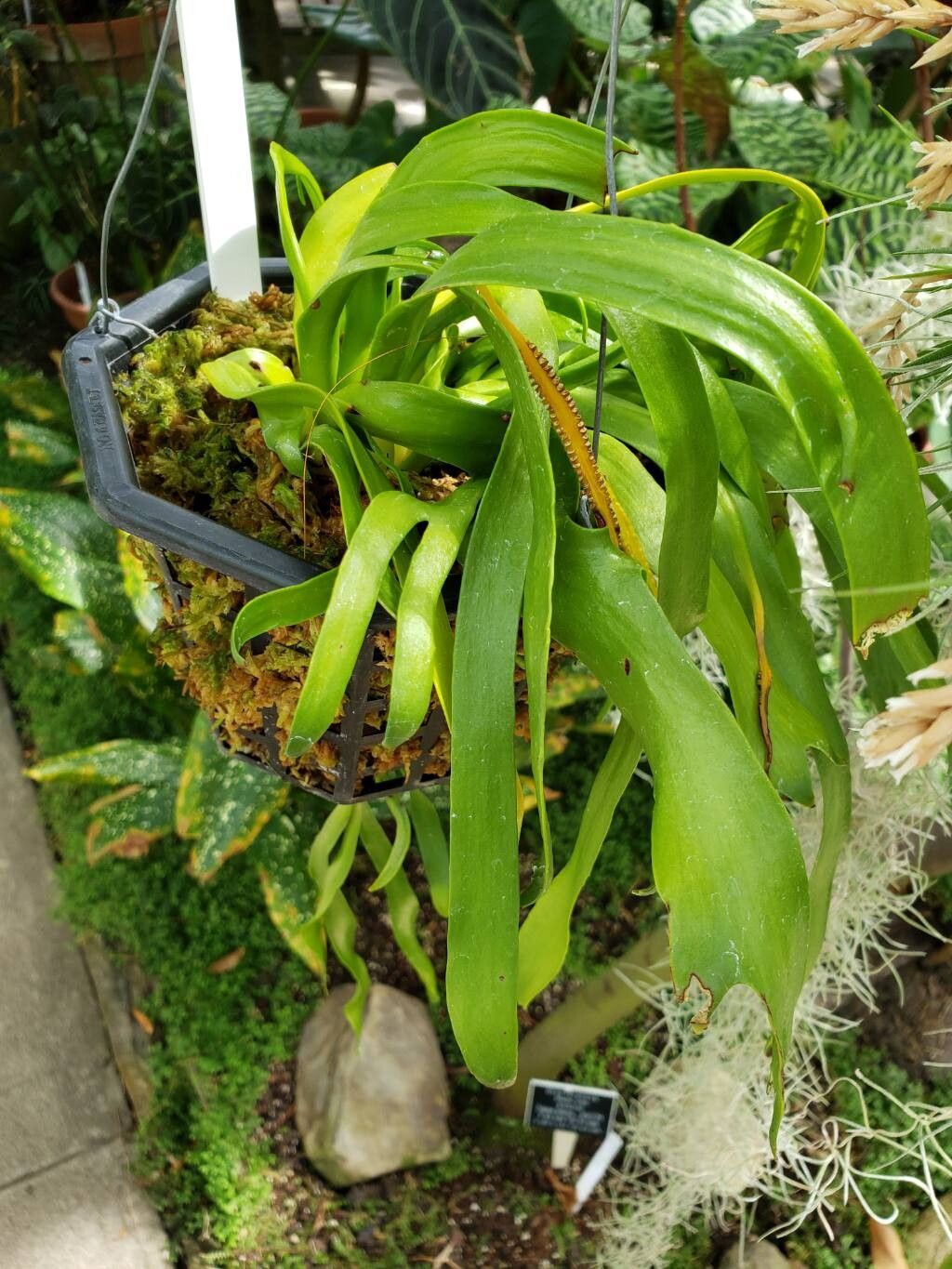
Oh, hello there! Come on in, grab a mug. Let’s chat about something truly special today: propagating Ophioglossum pendulum. If you haven’t met this delightful little fern yet, you’re in for a treat. Its dangling, ribbon-like fronds have a way of softening any space, adding a touch of the ethereal. And the joy of coaxing new life from an existing plant? Well, that’s just pure garden magic, isn’t it? Now, I’ll be honest, Ophioglossum pendulum isn’t exactly the ‘stick it in water and forget it’ kind of plant. It’s a bit more nuanced, but that’s what makes it so rewarding when you get it right. It’s less about sheer ease and more about observation and a gentle touch.
The Best Time to Start
For my money, the sweet spot for propagating most plants, including our beloved Ophioglossum pendulum, is when they’re actively growing. Think spring and early summer. This is when the plant has the most energy reserves to put into developing new roots and shoots. You’ll want to see some new fronds unfurling, a sure sign that things are buzzing with life. Avoid trying to propagate when the plant is stressed, perhaps from extreme heat or cold, or when it’s dormant in the winter. Patience here really pays off.
Supplies You’ll Need
Gathering your tools is like preparing for a creative session. You want everything at the ready. Here’s what I usually have on hand:
- Sharp, clean pruning shears or a sterile knife: Essential for making clean cuts to avoid introducing disease.
- Well-draining potting mix: I often use a blend of orchid bark, perlite, and a bit of coco coir. It needs to let water escape quickly.
- Small pots or propagation trays: Nothing too big to start.
- Rooting hormone (optional but helpful): A powder or gel can give your cuttings a good start.
- Plastic bag or propagation dome: To maintain high humidity around your cuttings.
- Spray bottle: For misting.
- A little bit of patience! This is non-negotiable.
Propagation Methods
For Ophioglossum pendulum, the most successful method I’ve found is division, especially if you have a mature, healthy plant that’s starting to fill its pot. Taking cuttings can be tricky due to the specific nature of its growth.
Division: The Gentle Art of Splitting
- Gently remove the plant from its pot. Turn it on its side and carefully ease the root ball out. If it’s a bit stuck, tap the sides of the pot gently.
- Inspect the root system. Look for natural divisions – places where the plant seems to be branching off into distinct sections, each with its own roots and some leafy growth.
- Carefully tease the sections apart. You can use your fingers for this, or if the roots are tightly intertwined, a clean, sharp knife might be necessary. The goal is to separate the plant into pieces, each with a good portion of roots attached. Don’t be too aggressive; you want to minimize root damage.
- Pot up the new divisions. Plant each division in its own small pot filled with your well-draining potting mix. Ensure the top of the root ball is level with the soil surface.
- Water lightly. Just enough to settle the soil around the roots.
The “Secret Sauce” (Pro Tips)
Here are a few things I’ve learned over the years that can really make a difference:
- Rhizome focus: Ophioglossum pendulum propagates via its rhizomes. You’re not so much taking “stem cuttings” as you are dividing sections of the rhizome with attached roots and fronds. Ensure each division has a piece of this crucial underground structure.
- Mimic their natural environment: These ferns love humidity. Once you’ve potted your divisions, immediately cover the pots with a clear plastic bag or place them in a propagator with the lid on. This creates that humid microclimate they crave.
- Avoid direct sun like the plague! All stages of propagation, from the initial cut through to rooting, should be in bright, indirect light. Direct sun will scorch and dehydrate your precious new plants before they even have a chance to establish.
Aftercare & Troubleshooting
Once your new divisions are potted, the real nurturing begins.
- Keep them humid: Remember the plastic bag or propagator lid? Keep it on for at least a few weeks, until you see signs of new growth. Mist the inside of the bag occasionally if it looks dry.
- Water sparingly: Overwatering is the enemy of new propagations. The soil should be consistently moist but never soggy. Let the very top layer of soil dry out slightly between waterings.
- Ventilate: After a couple of weeks, start gradually introducing more air by opening the bag or propagator lid for short periods each day. This prevents fungal issues.
The common downfall is rot. If you notice mushy, blackening stems or fronds, it’s almost always a sign of too much moisture and not enough air circulation. Unfortunately, once rot sets in, it’s very difficult to recover. Also, if your divisions just seem to sit there and do nothing for an extended period, don’t despair! They may just be taking their sweet time to establish their root system. Keep providing ideal conditions, and some will surprise you when you least expect it.
A Little Encouragement
See? It’s not rocket science, just a thoughtful approach. Propagating Ophioglossum pendulum is a journey, and like all good gardening endeavors, it requires a bit of patience and a lot of observation. Don’t get discouraged if your first attempt isn’t a resounding success. Each plant, and each propagation, teaches us something new. So, gather your supplies, embrace the process, and enjoy the wonderful feeling of multiplying your green treasures. You’ve got this!
Resource:
https://identify.plantnet.org/k-world-flora/species/Ophioglossum%20pendulum%20L./data