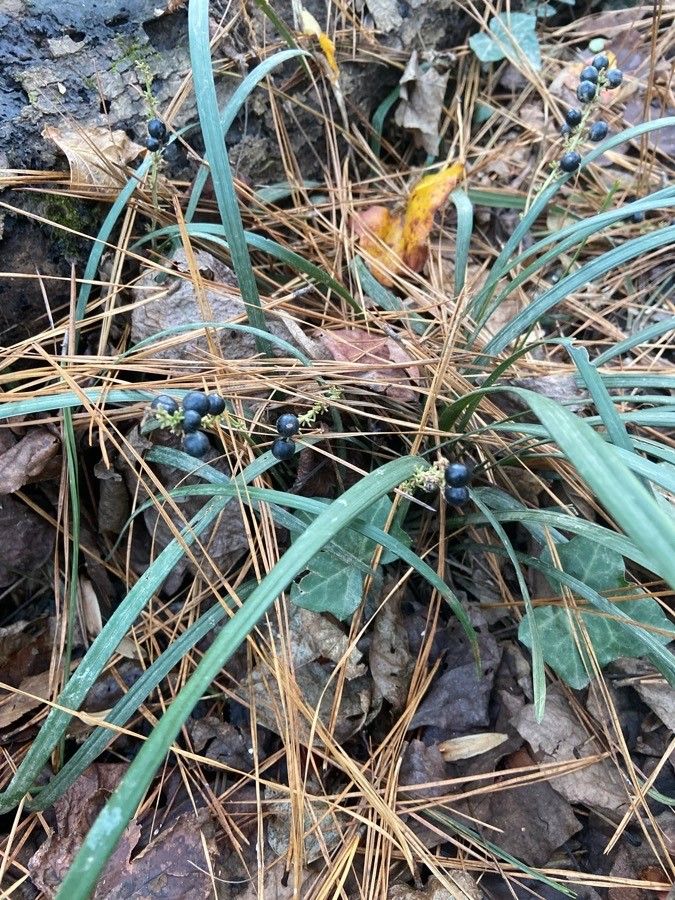
Hello there, fellow plant lovers! It’s so wonderful to connect with you today. If you’re like me, you’ve probably fallen head-over-heels for the elegant beauty of Ophiopogon caulescens, also known as Black Mondo Grass or Snake’s Beard. Those deep, inky-purple leaves create such a dramatic contrast in the garden, and they bring a touch of sophisticated texture wherever they’re planted. As a seasoned gardener, I find that multiplying these beauties is one of my most rewarding little projects. It’s a fantastic way to fill out beds, share with friends, or just feel that satisfying sense of creating more life from something you already cherish.
Now, the big question: Is it a tricky plant to propagate? I’m happy to report that for the most part, Ophiopogon caulescens is quite forgiving, even for those of you just starting your propagation journey. You’ll likely find it to be a delightful experience!
The Best Time to Start
The absolute sweet spot for propagating Ophiopogon caulescens is late spring to early summer. This is when the plant is really in its active growth phase. You’ll see new shoots emerging, and the plant has plenty of energy to dedicate to a bit of multiplication. Trying to propagate when it’s dormant (like in the dead of winter) will give you a much lower success rate.
Supplies You’ll Need
Gathering your tools beforehand makes the whole process so much smoother. Here’s what I usually have on hand:
- Sharp, clean pruning shears or a sharp knife: For making clean cuts that heal better.
- Small pots or trays: Clean ones are a must to prevent disease.
- Well-draining potting mix: A blend of peat moss, perlite, and a bit of compost works wonders. You can also find specialized seed-starting mixes.
- Rooting hormone (optional but recommended): This really gives your cuttings a good head start.
- Watering can with a fine rose or a spray bottle: For gentle watering.
- Labels and a marker: To keep track of what you’ve planted and when!
- A sunny windowsill or a propagator with bottom heat (optional): This can speed things up.
Propagation Methods
There are a couple of reliable ways to get more Ophiopogon caulescens plants. My personal favorite is through division, simply because it’s so straightforward.
Method 1: Division (The Easiest Way!)
This is my go-to method for Ophiopogon caulescens. It’s like giving your existing plant a haircut and getting multiple new plants in return!
- Dig carefully: Gently lift the entire clump of your Ophiopogon caulescens from its pot or the ground. Try to disturb the roots as little as possible.
- Loosen the soil: Gently shake off any excess soil so you can clearly see the root structure.
- Find natural breaks: Look for areas where the roots and shoots naturally divide. You might be able to pull sections apart with your hands.
- Use your tools: If the clumps are a bit tighter, use your sharp knife or clean pruning shears to cut through the root ball into smaller sections. Aim for divisions that have a good mix of roots and at least a few shoots.
- Repot or replant: Plant each new division in its own small pot filled with your well-draining mix, or directly into your garden bed. Make sure the crown (where the leaves emerge from the roots) is at soil level.
- Water gently: Give your newly divided plants a good, but gentle, watering.
Method 2: Stem Cuttings (A Bit More Patience Required)
While division is easier, creating new plants from cuttings is also very doable.
- Select healthy stems: Look for vigorous, healthy stems that are actively growing. You want stems that are firm and green, not woody or overly soft.
- Make the cut: Using your clean pruning shears, cut a stem just below a leaf node (the point where a leaf attaches to the stem). Aim for cuttings about 3-4 inches long.
- Remove lower leaves: Strip off the leaves from the bottom half of the cutting. You want to expose a bit of the stem for root development.
- Dip in rooting hormone (optional): If you’re using rooting hormone, dip the cut end of the stem into the powder or gel. Tap off any excess.
- Plant your cuttings: Insert the treated end of each cutting into your prepared potting mix in small pots or trays. Make sure at least one or two leaf nodes are below the soil surface.
- Water gently: Lightly water the soil. You can also mist the leaves to keep them from drying out.
- Cover and provide humidity: To maintain humidity, you can cover the pots with a clear plastic bag or lid, or place them in a small propagator. Make sure the leaves don’t touch the plastic bag, as this can encourage rot.
The “Secret Sauce” (Pro Tips)
Here are a couple of things I’ve learned over the years that really make a difference:
- Don’t overwater, ever! This is probably the biggest mistake beginners make. Ophiopogon caulescens doesn’t like soggy feet. Water only when the top inch of soil feels dry to the touch. This is especially critical for cuttings.
- Bottom heat is your friend. If you’re doing cuttings, placing your pots on a heat mat designed for seedlings can significantly speed up root formation. The warmth encourages those roots to sprout much faster. You don’t need it to be scorching hot, just a gentle warmth.
Aftercare & Troubleshooting
Once your divisions are in pots or your cuttings show signs of rooting (you’ll see new leaf growth or a gentle tug on the stem will meet resistance), it’s time for aftercare.
- Gradually acclimate: If you’ve covered your cuttings, slowly remove the cover over a few days to help them adjust to normal humidity.
- Provide bright, indirect light: New plants don’t want harsh, direct sun. A bright windowsill that gets indirect light is perfect.
- Continue gentle watering: Keep the soil consistently moist but never waterlogged.
- Watch out for rot: The most common sign of failure is rot. This usually happens from overwatering or poor air circulation. If a cutting turns black and mushy, it’s a goner. If a divided clump looks limp and the soil is wet, try letting it dry out a bit more. Sadly, once rot sets in, it can be hard to save them.
A Little Encouragement
Propagating plants is a journey, and like any good journey, it’s filled with learning and a little bit of patience. Don’t be discouraged if every single attempt doesn’t result in a new plant. The joy is in the process, in observing new life emerge, and in the satisfaction of growing your garden with your own hands. So, grab your tools, embrace this little Ophiopogon caulescens project, and have fun watching your collection expand! Happy gardening!
Resource:
https://identify.plantnet.org/k-world-flora/species/Ophiopogon%20caulescens%20(Blume)%20Backer/data