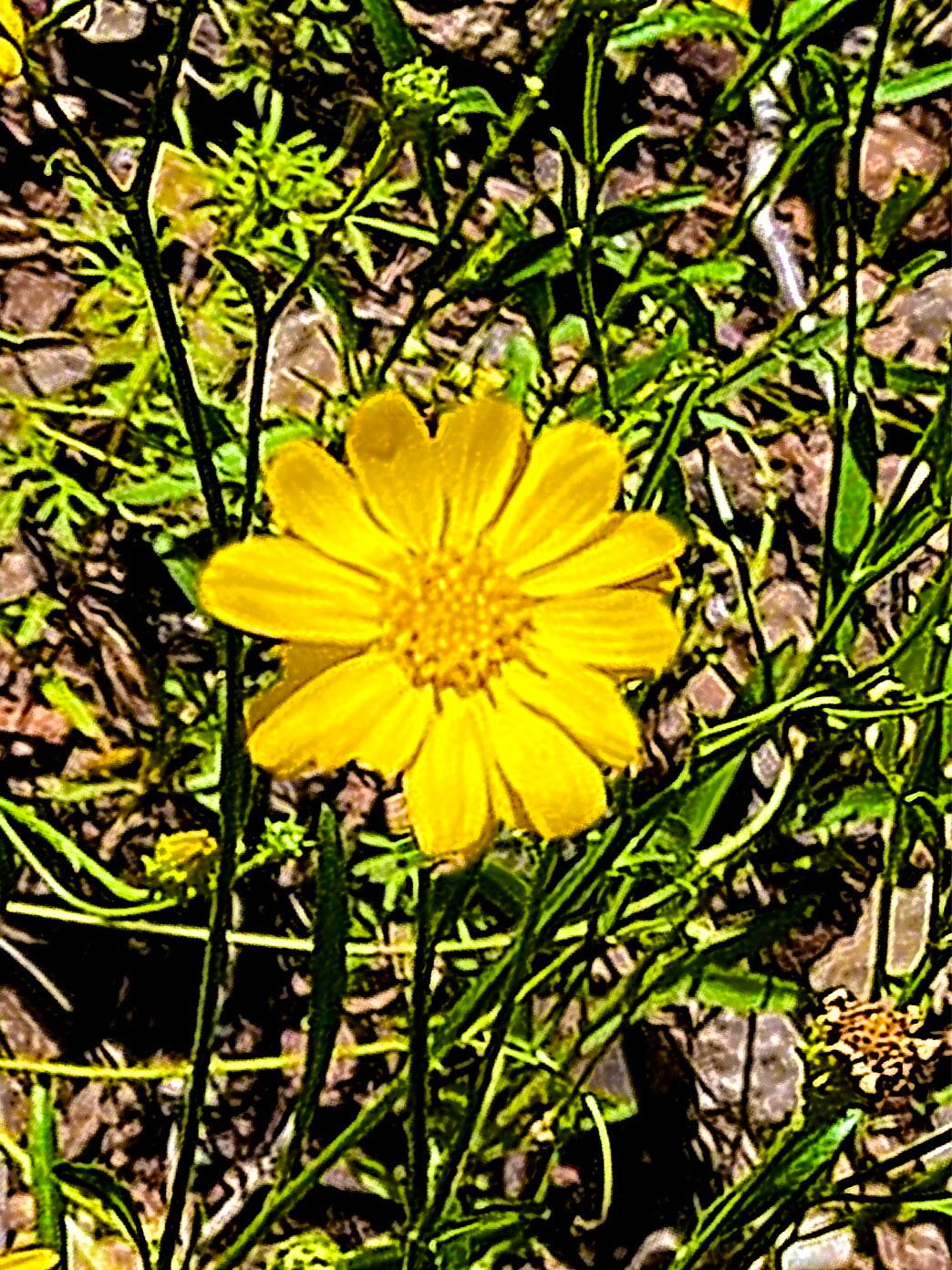
Oh, hello there! It’s so good to have you join me today. I’ve been meaning to chat about Gutierrezia wrightii for ages. You know, that lovely little western native with its cheerful yellow daisy-like flowers? It truly is a ray of sunshine in any garden, especially when many other things are just starting to wind down. And the best part? This hardy beauty is surprisingly easy to bring more of into your life through propagation. If you’re looking for a rewarding project that doesn’t require a whole lot of fuss, you’ve come to the right place. For beginners, I’d say Gutierrezia wrightii is a forgiving plant to get started with.
When to Give it a Go
For the absolute best chance of success with Gutierrezia wrightii, I always aim to take cuttings in the late spring or early summer. This is when the plant is in active growth mode, so it has plenty of energy to dedicate to healing and rooting. You want to look for stems that are semi-hardwood – not brand new, soft growth, but not old, woody stems either. A stem that bends a bit without snapping is usually just right.
What You’ll Need
Gathering your supplies beforehand makes the whole process so much smoother. Here’s what I like to have on hand:
- Sharp, clean pruning shears or a sharp knife: A clean cut is essential to prevent disease.
- Rooting hormone (optional but helpful): This isn’t strictly necessary for Gutierrezia wrightii, but a little dip can speed things up.
- A well-draining potting mix: I usually use a 50/50 mix of perlite and peat moss or coir. You could also use a commercial seedling mix.
- Small pots or trays with drainage holes: Yogurt cups with holes poked in the bottom work in a pinch!
- A watering can with a gentle rose attachment: You don’t want to blast your new cuttings out of the soil.
- A plastic bag or clear dome: To create a humid environment.
Bringing New Plants to Life: Stem Cuttings
This is my go-to method for Gutierrezia wrightii, and it works like a charm.
- Select your stems: Find those ideal semi-hardwood stems I mentioned earlier. They should be at least 3-4 inches long.
- Make the cut: Using your clean shears or knife, make a clean cut just below a leaf node. This is where new roots are most likely to form.
- Prepare the cutting: Gently remove the lower leaves, leaving just a few at the top. If the leaves are large, I’ll sometimes cut them in half to reduce water loss.
- Apply rooting hormone (if using): Dip the cut end into your rooting hormone, tapping off any excess.
- Plant your cutting: Moisten your potting mix. Then, gently insert the cutting into the mix, ensuring the leaf nodes where you removed leaves are below the surface. A pencil can help make a pilot hole.
- Create humidity: Mist the cutting and the soil well. Then, cover the pot with a plastic bag or place it under a clear dome. Place the pot in a bright spot that gets indirect sunlight.
My “Secret Sauce” Insider Tips
Here are a few little tricks I’ve picked up over the years that really give Gutierrezia wrightii a boost:
- The “Heel” Trick: Sometimes, when taking a cutting, I’ll gently pull it downward from the parent plant rather than cutting. This can leave a tiny bit of the parent tissue attached, a “heel,” which can encourage faster rooting. Just clean up any ragged bits.
- Bottom Heat is Your Friend: If you have a seedling heat mat, placing your pots on it can significantly speed up root development. Plant roots generally prefer a little warmth! Just make sure your cuttings aren’t sitting in water.
Nurturing Your New Sprouts
Once your cuttings have developed a good root system – you’ll know this because you might see tiny roots poking out of the drainage holes, or the cutting will resist gently when tugged – it’s time for a little more freedom.
Gradually reduce the humidity by opening the plastic bag a little more each day over a week. Once they feel sturdy, you can transplant them into slightly larger pots with your regular well-draining potting mix. Continue to water them gently, allowing the soil to dry out slightly between waterings.
If you see your cuttings turning yellow and limp or developing mushy spots, that’s usually a sign of too much moisture and not enough air circulation, leading to rot. Don’t despair! Sometimes, a cutting might look hopeless but still surprise you with roots. Keep an eye out for any signs of new growth.
So there you have it! Propagating Gutierrezia wrightii is a wonderful way to fill your garden with these cheerful blooms. Be patient with your little propagations; nature works on its own timeline. Enjoy the process, and soon you’ll be admiring your own homegrown sunshine. Happy gardening!
Resource:
https://identify.plantnet.org/k-world-flora/species/Gutierrezia%20wrightii%20A.Gray/data