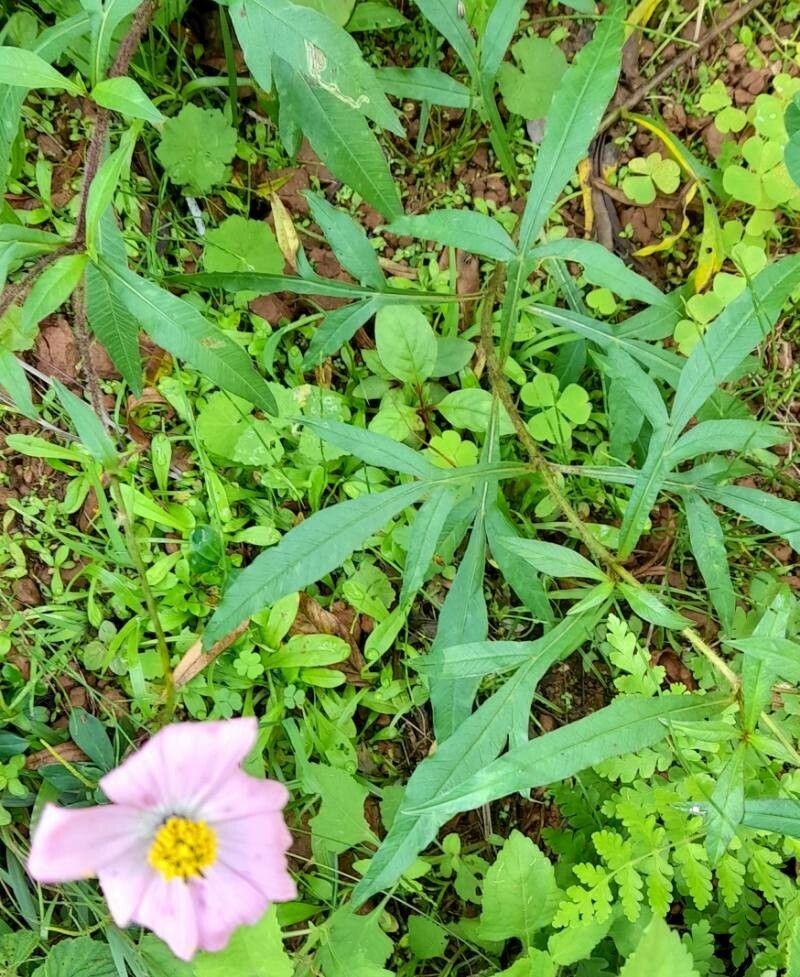
Oh, Cosmos peucedanifolius! What a delightful plant to have in the garden. Its delicate, daisy-like flowers, often in a lovely shade of lavender or pink, just dance in the breeze. And the way those feathery leaves catch the sunlight? Pure magic. The best part? You can easily fill your garden with these beauties by propagating them yourself. Don’t be intimidated; for the most part, Cosmos peucedanifolius is quite forgiving, making it a wonderful project for even those just dipping their toes into the world of plant propagation.
The Best Time to Start
When it comes to giving your Cosmos peucedanifolius the best chance at life, late spring to early summer is your sweet spot. This is when the plant is actively growing and has plenty of energy to put into developing new roots. You’ll want to look for young, healthy stems that haven’t started to flower yet. Think of it as working with a vibrant, energetic teenager – they’re ready to grow!
Supplies You’ll Need
Gathering your supplies beforehand makes the whole process so much smoother. Here’s what I always have on hand:
- Sharp Pruning Shears or a Clean Knife: For making clean cuts.
- Seed Starting Mix or a Well-Draining Potting Mix: Something light and airy is key. I like to mix in a bit of perlite or vermiculite for extra drainage.
- Small Pots or Seedling Trays: Clean ones, please!
- Rooting Hormone (Optional but Recommended): This really gives your cuttings a boost.
- Plastic Bags or a Clear Propagator Lid: To create a humid environment.
- Watering Can with a Fine Rose: To water gently without disturbing your new babies.
Propagation Methods
Cosmos peucedanifolius is wonderfully amenable to propagation from stem cuttings. It’s my go-to method for an explosion of new plants!
-
Take Your Cuttings: Head out to your garden on a bright morning after the dew has dried. Select a healthy, non-flowering stem. Using your sharp shears, make a clean cut just below a leaf node (that little bump where a leaf attaches to the stem). You’re looking for cuttings that are about 4-6 inches long. Remove the lower leaves, leaving just a few at the top. This helps prevent rot and reduces water loss.
-
Prepare the Cuttings: If you’re using rooting hormone, dip the cut end of the stem into it, tapping off any excess. This step is like giving your cutting a little superpower to encourage root development.
-
Plant Your Cuttings: Fill your small pots or seedling trays with your prepared well-draining mix. Make a small hole in the center of the mix with your finger or a pencil. Gently insert the cut end of your Cosmos stem into the hole, ensuring the leaf nodes that were submerged are now buried. Firm the mix gently around the stem to ensure good contact.
-
Create a Humid Environment: Water the soil gently. Then, either cover the pots with a clear plastic bag (making sure the leaves don’t touch the plastic) or place them inside a propagator with a lid. This will trap moisture and humidity, which is crucial for the cuttings to root.
-
Find the Right Spot: Place your pots in a bright location but out of direct, hot sun. A warm spot is ideal.
The “Secret Sauce” (Pro Tips)
Here are a couple of things I’ve learned over the years that often make all the difference:
- Bottom Heat is Your Friend: If you have a seedling heat mat, popping your propagation trays on it can dramatically speed up rooting. The warmth encourages root formation from the base. Just remember to keep the tops of the cuttings relatively cool and out of direct sun.
- Don’t Be Afraid to Prune a Little: If your cutting starts to look leggy or overcrowded with leaves, don’t hesitate to pinch off some of the top growth. This encourages the plant to put its energy into root development rather than leaf production.
Aftercare & Troubleshooting
Once your cuttings have rooted – you’ll know because you’ll see new growth and they’ll resist a gentle tug – it’s time to transition them. Gradually remove the plastic covering over a few days to acclimate them to normal humidity. Water them consistently but avoid waterlogging. Let the top inch of soil dry out a bit between waterings.
The most common pitfall is rot. If you see your cuttings turn brown and mushy, it’s usually a sign of too much moisture and not enough airflow. Sometimes, it’s just a bad cutting. Don’t get discouraged; simply start again! Another sign that things aren’t going well is if the stem completely collapses. This can indicate the cutting is too old, too stressed, or the conditions aren’t right.
A Encouraging Closing
Propagating Cosmos peucedanifolius is a truly rewarding experience. Watching those tiny stems transform into independent plants is a joy I never tire of. Be patient with yourself and with your new green babies. Gardening is a journey, and each new plant you grow is a testament to that wonderful, slow unfolding of life. Happy propagating!
Resource:
https://identify.plantnet.org/k-world-flora/species/Cosmos%20peucedanifolius%20Wedd./data