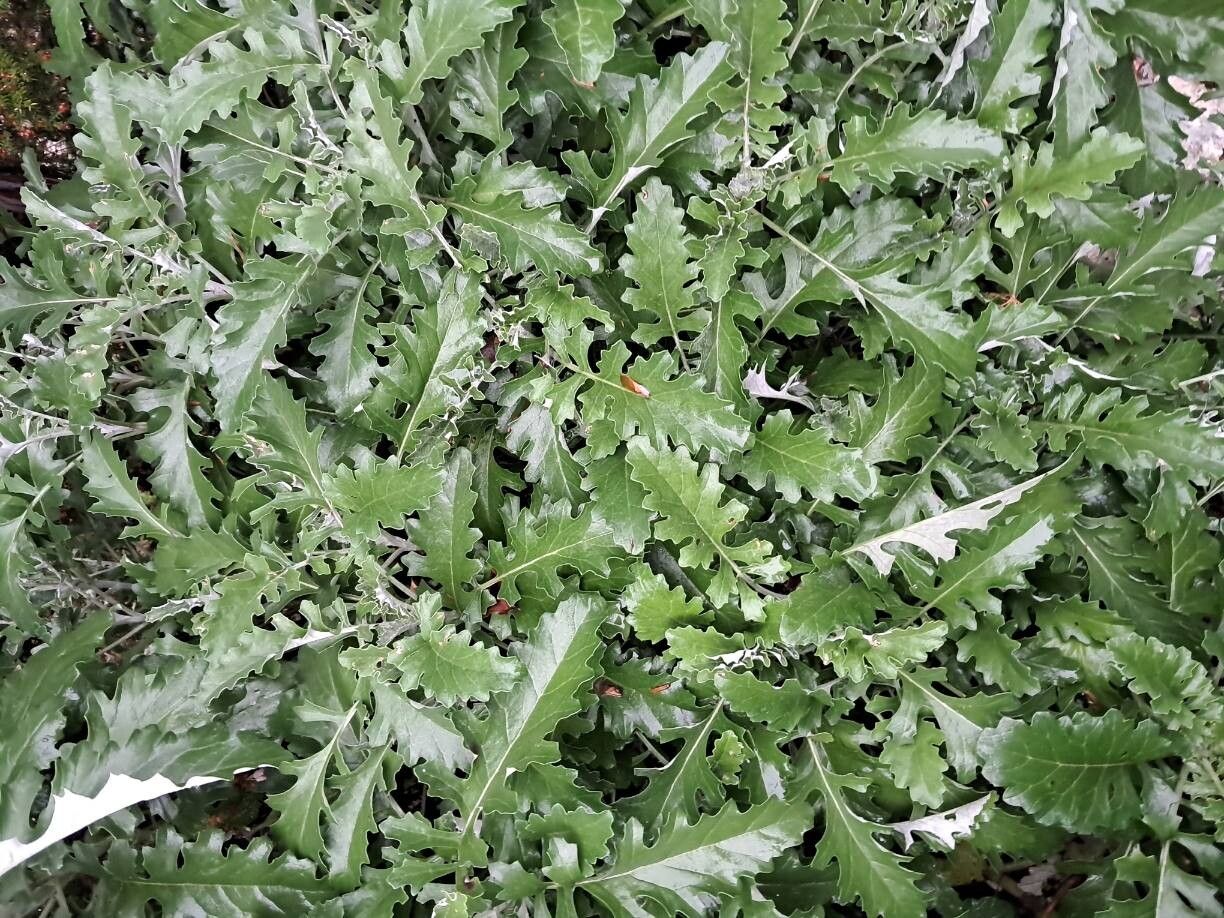
Hello, fellow plant enthusiasts! I’m so excited to chat with you today about a plant that truly sparkles in sunny spots: Jacobaea candida, often called Silver Ragwort. Its silvery foliage is just breathtaking, adding a touch of elegance and brightness to any container or garden bed. And the best part? Propagating this beauty is surprisingly rewarding, and I find it to be a wonderfully accessible project, even for those just starting their plant parenting journey.
The Best Time to Start
For the highest success rate with Jacobaea candida, I always recommend spring or early summer. This is when the plant is actively growing and has plenty of energy to put into developing new roots. You’ll want to take cuttings from healthy, non-flowering stems.
Supplies You’ll Need
Here’s what I gather before I start propagating:
- Sharp pruning shears or a clean knife: For taking clean cuts.
- Rooting hormone (optional but helpful): Especially for stem cuttings, this gives them a little boost.
- Well-draining potting mix: A cactus/succulent mix or a blend of potting soil with perlite and sand works beautifully.
- Small pots or trays: For your new baby plants.
- Plastic bags or a propagation dome: To create a humid environment.
- Water: For watering and potentially water propagation.
Propagation Methods
Let’s get our hands dirty! Jacobaea candida is quite adaptable, and I’ve found a couple of methods work exceptionally well.
Stem Cuttings
This is my go-to method for Jacobaea candida.
- Take your cutting: Look for a healthy stem that’s about 4-6 inches long. Using your clean shears, make a clean cut just below a leaf node (where a leaf attaches to the stem).
- Prepare the cutting: Gently remove the lower leaves, leaving only a few at the top. This prevents them from rotting when buried.
- Apply rooting hormone (optional): Dip the cut end into rooting hormone, tapping off any excess.
- Pot it up: Stick the cutting into your prepared, slightly moist potting mix. Make sure the leaf nodes are at least partially buried.
- Create humidity: Cover the pot with a clear plastic bag or place it under a propagation dome. This is crucial for keeping the humidity high while the cutting develops roots.
- Find a good spot: Place it in a bright location, but out of direct, intense sunlight.
- Be patient: It can take several weeks for roots to develop. You can gently tug on the cutting to feel for resistance.
Water Propagation
This is a fun and visual method!
- Take your cutting: Same as above, take a 4-6 inch stem cutting just below a leaf node. Remove the lower leaves.
- Place in water: Put the cutting in a glass or jar of clean water. Make sure the leaf nodes are submerged, but don’t let the leaves touch the water.
- Change the water regularly: Refresh the water every few days to keep it clean and oxygenated.
- Find a bright spot: Again, keep it in bright, indirect light.
- Watch for roots: You’ll start to see little white roots emerge from the nodes. Once the roots are about an inch long, you can carefully transplant them into a pot.
The “Secret Sauce” (Pro Tips)
Over the years, I’ve learned a few tricks that really make a difference:
- Don’t let the leaves touch the water: This is a big one for water propagation. If leaves sit in water, they’ll rot and can take your cutting down with them. I often use small stakes or clip the leaves to the side of the glass if needed.
- Bottom heat can be a game-changer: If you have a heat mat designed for plants, placing your pots on it can significantly speed up root development, especially if your room is a bit on the cooler side. It mimics the warmth of spring soil.
- Sterilize your tools: Always use clean tools. It might seem minor, but it helps prevent the spread of diseases that can kill your delicate cuttings.
Aftercare & Troubleshooting
Once you see signs of new growth or feel solid roots when you gently pull on your cutting, it’s time to transition it into its own pot.
- Gradual acclimatization: If you used a plastic bag, gradually open it up over a few days before removing it completely. This prevents shock.
- Watering: Water as you would an established Jacobaea candida. Let the soil dry out slightly between waterings.
- Common issues: The most common problem you’ll encounter is rot. This usually happens if the soil is too wet or if leaves are left in water. If a cutting looks mushy or black, it’s likely a goner. Don’t get discouraged; just try again! Sometimes cuttings just don’t take, and that’s part of the process. Yellowing leaves can also indicate overwatering.
A Little Encouragement
Propagating plants is a wonderful way to connect with nature and expand your plant collection without breaking the bank. Be patient with your new Jacobaea candida babies. Some will take off quickly, while others might be a little slower to establish. Enjoy the process, celebrate every new leaf and root, and relish the satisfaction of growing something from scratch! Happy gardening!
Resource: