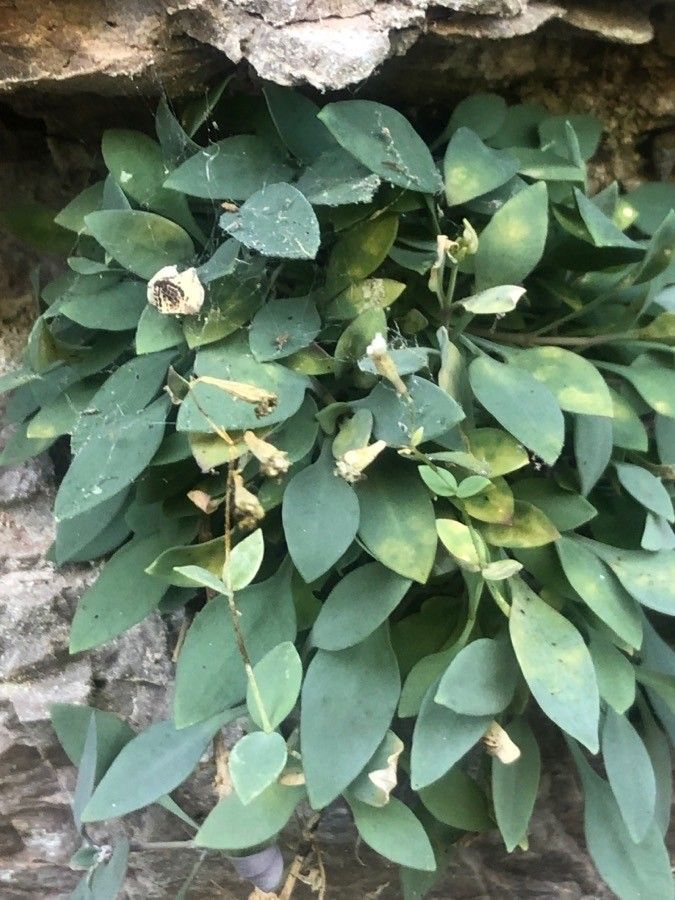
Oh, hello there! Come on in, grab a mug. I’m so glad you’re interested in Petrocoptis pyrenaica. It’s a truly delightful little plant, isn’t it? Those delicate, often pink, blooms look like they’ve been sprinkled across the landscape by fairies. And the way they carpet the ground in a lovely, silvery-green mat? Absolutely charming.
Propagating them yourself is such a wonderful way to fill your garden with more of that charm, or to share these beauties with friends. It feels like a little bit of magic, coaxing new life from just a snippet. Now, I’ll be honest, Petrocoptis pyrenaica isn’t the absolute easiest plant to propagate for a complete novice. It requires a bit of attention to detail, but with this guide, I’m confident you’ll have success. Think of it as moving from beginner to intermediate gardener – a very exciting step!
The Best Time to Start
For Petrocoptis pyrenaica, I always find the late spring or early summer to be the prime time to start new plants. This is when the plant is in its active growing phase, meaning it’s full of energy and ready to put out new shoots. You’ll want to select young, healthy stems that haven’t flowered yet. If you miss this window, you can try again in late summer, but you might find the stems a bit tougher then.
Supplies You’ll Need
To get started, you’ll want to gather a few things:
- Sharp pruning shears or a clean, sharp knife: For making clean cuts.
- Small pots or trays: With drainage holes, of course!
- A good quality potting mix: I like a well-draining mix that includes perlite or coarse sand. You can also use a 50/50 blend of peat or coco coir and perlite.
- Rooting hormone (optional, but recommended): This can give your cuttings a little boost.
- A spray bottle: For misting.
- Clear plastic bags or a propagator lid: To create a humid environment.
- Water: For your cuttings.
Propagation Methods
We’ll focus on the most reliable method for Petrocoptis pyrenaica: stem cuttings.
- Taking the Cuttings: On a healthy plant, look for non-flowering, semi-hardwood shoots. These are stems that are starting to firm up but are still somewhat flexible. Using your clean shears, take cuttings that are about 3-4 inches long. Make your cut just below a leaf node (where a leaf attaches to the stem).
- Preparing the Cuttings: Gently remove the lower leaves from the cutting, leaving just a couple of leaves at the very top. This prevents them from rotting in the soil. If your cuttings are really long and have many leaves, you can lightly pinch back the top leaves to reduce water loss.
- Applying Rooting Hormone (Optional): If you’re using rooting hormone, dip the cut end of the stem into the powder or gel. Tap off any excess.
- Planting the Cuttings: Fill your small pots with your prepared, moistened potting mix. Make a small hole in the center of the soil with a pencil or your finger. Carefully insert the cut end of the stem into the hole, ensuring at least one leaf node is buried beneath the surface. Gently firm the soil around the cutting.
- Creating Humidity: This is crucial! Water the soil lightly. Then, place the pot inside a clear plastic bag, sealing it loosely at the top, or cover it with a propagator lid. This creates a mini-greenhouse effect, keeping the humidity high, which helps the cuttings from drying out before they can root.
The “Secret Sauce” (Pro Tips)
Here are a few things I’ve learned over the years that really make a difference:
- Don’t Overdo the Water: When you first plant your cuttings, the soil should be evenly moist, not soggy. Too much water will lead to rot, and that’s a quick way to lose your efforts.
- Location, Location, Location: Place your cuttings in bright, indirect light. A windowsill that gets morning sun but is shaded from hot afternoon sun is often perfect. Bottom heat from a heat mat can significantly speed up rooting, but it’s not strictly necessary if you have a warm spot.
- Patience is a Virtue (and Key!): Petrocoptis pyrenaica can be a bit slow to root. Don’t be tempted to pull them out to check for roots too early! You’re looking for signs of new growth.
Aftercare & Troubleshooting
Once you see new leaves emerging or feel a gentle tug when you lightly try to lift the cutting, it’s a good sign that roots have formed. This usually takes 4-8 weeks, sometimes longer.
- Gradually Acclimate: Once rooted, slowly start to acclimate your new plants to drier air. Open the plastic bag or propagator lid for a few hours each day, gradually increasing the time over a week.
- Potting Up: Once they’re looking robust, you can carefully pot them up into slightly larger pots with fresh, well-draining potting mix. Continue to keep them well-watered but not waterlogged.
- Common Signs of Trouble: The biggest culprit is rot. You’ll see the stem turn mushy and dark. This is usually due to too much moisture and poor air circulation. If you catch it early, you might be able to salvage a healthy part of the cutting, but often, it’s sadly a loss. Wilting can also occur if the humidity isn’t high enough or if the cuttings dry out.
So there you have it! Propagating Petrocoptis pyrenaica is a journey, and like any good journey, there will be moments of anticipation. Be patient, observe your little wonders, and don’t be discouraged if not every single one makes it. The successes are so much sweeter for it. Happy gardening, and enjoy the blooms!
Resource: