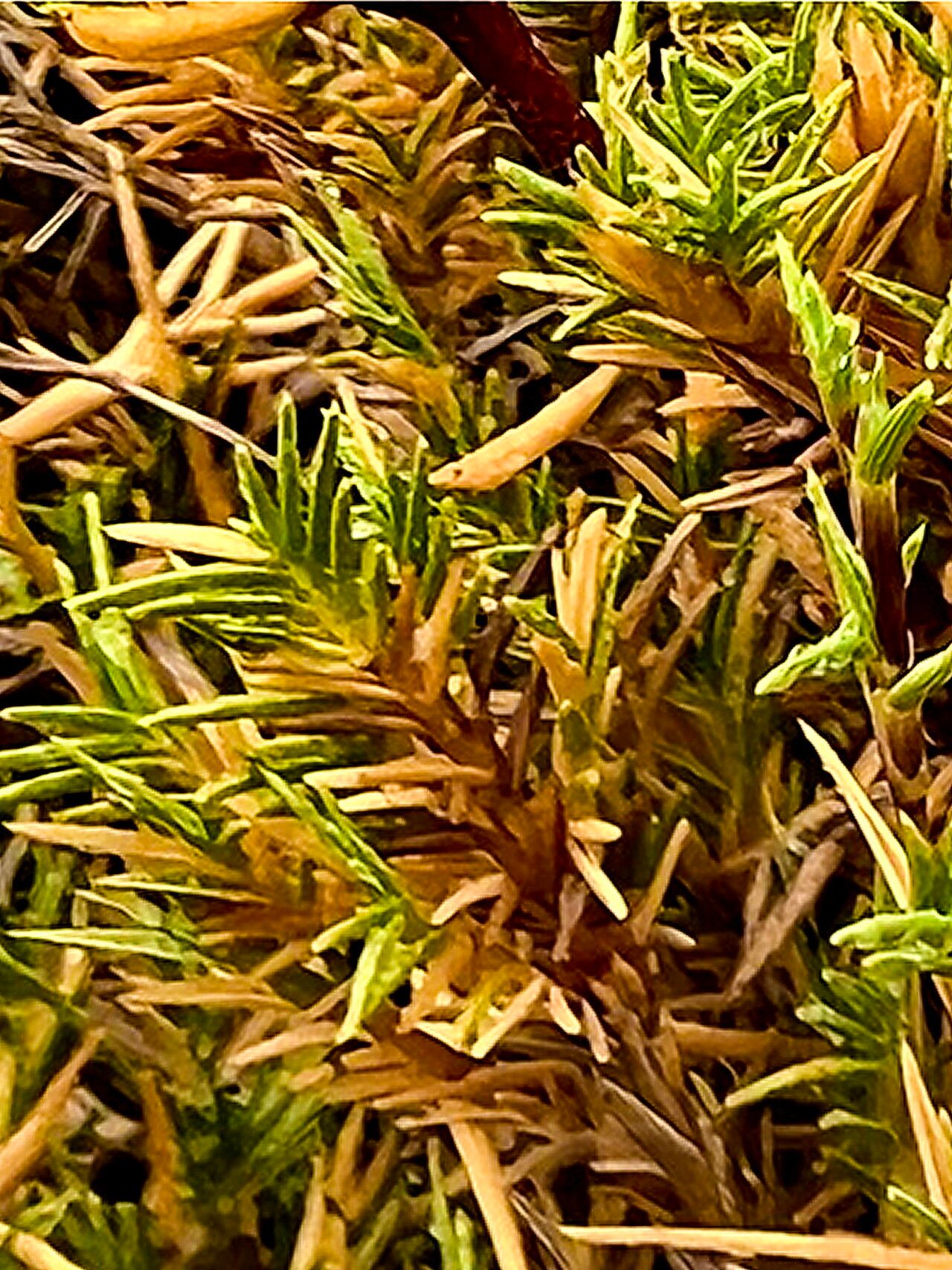
Oh hello there! Come on in, grab a mug! I’m so excited you’re curious about Distichlis littoralis, also known as seaside or saltgrass. Trust me, this resilient little beauty is a fantastic addition to any garden, especially if you have challenging spots or enjoy plants that can handle a bit of tough love. Propagating it is surprisingly straightforward, and a wonderful way to increase your stock or share these lovely grasses with fellow plant enthusiasts. Even if you’re just starting out, you can absolutely do this!
The Best Time to Start
For the best luck, I always recommend starting your Distichlis littoralis propagation in late spring or early summer. This is when the plant is actively growing and has plenty of energy to put into making new roots. You want to work with healthy, vibrant stems or divisions – avoid anything that looks stressed or dried out.
Supplies You’ll Need
You won’t need a ton of fancy equipment for this. Here’s what I typically have on hand:
- Sharp, clean pruning shears or a sharp knife: For making clean cuts.
- Rooting hormone (optional but helpful): A powder or gel will do.
- Well-draining potting mix: A mix of perlite, coarse sand, and peat moss works beautifully. You can also use a pre-made cactus or succulent mix.
- Small pots or trays: Old yogurt containers with drainage holes are perfect!
- Watering can or spray bottle: For gentle watering.
- Labels: To keep track of what you’ve planted and when.
- A sunny, sheltered spot: For your new cuttings to establish.
Propagation Methods
Distichlis littoralis is quite forgiving, and two of my favorite ways to propagate it are through stem cuttings and division.
1. Stem Cuttings: This is my go-to method.
- Select your stem: Look for healthy, non-flowering stems that are about 4-6 inches long. Gently twist or cut them from the parent plant.
- Prepare the cutting: Remove the lower leaves from the stem, leaving only a few at the very top. If there are any flower buds, pinch them off.
- Apply rooting hormone (optional): Dip the cut end into your rooting hormone powder or gel. Tap off any excess.
- Plant your cutting: Make a small hole in your potting mix with your finger or a pencil. Insert the cut end of the stem into the hole, ensuring the nodes (where the leaves were attached) are buried. Gently firm the soil around it.
- Water gently: Water thoroughly but be careful not to dislodge the cutting.
2. Division: This is a great option for mature, clumpy plants.
- Dig up the plant: Carefully dig around the base of your Distichlis littoralis plant, trying to lift the entire root ball.
- Gently tease apart: You can usually divide the root ball into smaller sections with your hands. If it’s a bit stubborn, use a clean trowel or even your knife to carefully separate clumps. Make sure each section has roots and at least a few shoots.
- Replant: Immediately replant your divisions into well-prepared soil or pots. Water them in well.
The “Secret Sauce” (Pro Tips)
Here are a couple of things I’ve learned over the years that often make the difference:
- Don’t drown your cuttings! While you want the soil to be consistently moist, it should never be waterlogged. Soggy soil is the quickest way to invite rot. If you’re unsure, it’s better to err on the side of slightly too dry than too wet, especially in the early stages.
- A little warmth goes a long way. If you have access to a heat mat designed for seedlings, placing your pots on it can significantly speed up root development. Think of it as giving your little plant a cozy incubator!
Aftercare & Troubleshooting
Once your cuttings are planted, keep them in a bright spot that receives indirect sunlight. If the weather is very hot and dry, you might want to gently mist your cuttings every day or two to keep them happy.
You’ll know your cuttings have taken when you see new growth appearing at the top or when you gently tug on a stem and feel resistance from developing roots. This can take anywhere from a few weeks to a couple of months, so patience is key!
The most common problem you’ll encounter is rot, which looks like a mushy, brown stem base. If you see this, sadly, that cutting is likely lost. It’s usually a sign of too much moisture. Don’t get discouraged; just try again, perhaps with slightly less frequent watering or a mix that drains even better. Also, yellowing or wilting leaves can indicate that the cutting hasn’t rooted yet and is stressing, or that it’s not getting enough water. Keep an eye on them and adjust your watering as needed.
A Encouraging Closing
Propagating plants is such a rewarding part of gardening. It’s about patience, a little bit of observation, and the joy of creating new life. Don’t worry if your first attempts aren’t perfect; every gardener has had their share of failures! Just keep trying, learn from each experience, and most importantly, enjoy the process of nurturing your little Distichlis littoralis babies into full, beautiful plants. Happy propagating!
Resource: