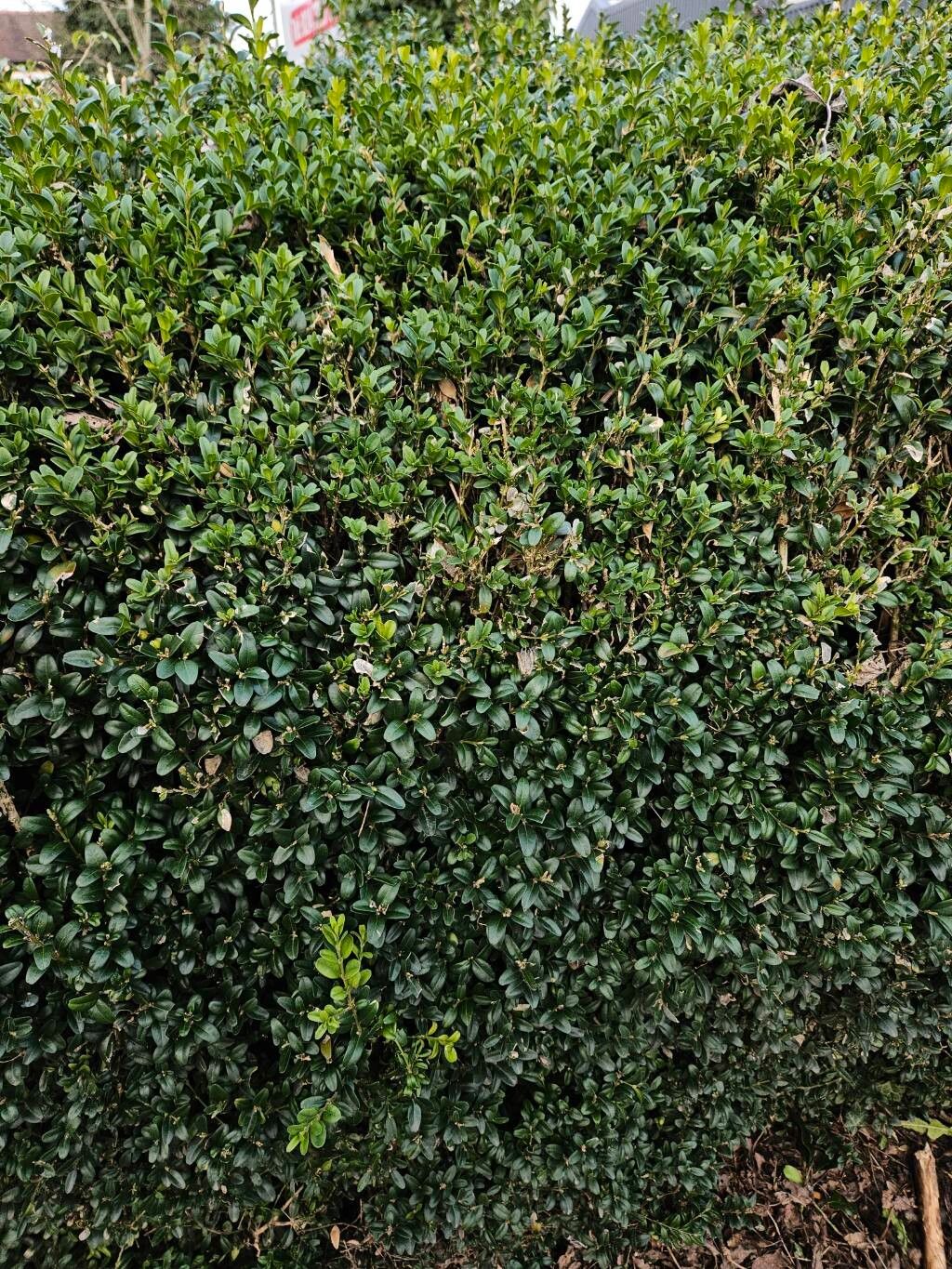
Oh, Buxus! Littleleaf boxwood, as it’s often called, is such a workhorse in the garden. I’ve spent years shaping it into neat hedges, whimsical topiaries, and even little fairy garden accents. It’s got that lovely, compact evergreen foliage that just shouts ‘tidy’ and ‘elegant,’ doesn’t it? And the best part? It’s surprisingly easy to multiply! Propagating your own boxwood is a fantastic way to fill out those bare spots, create matching planters, or even share a bit of your garden magic with friends. Don’t let anyone tell you it’s finicky; with a little know-how, you’ll be a boxwood-propagation whiz in no time.
The Best Time to Start
For me, the absolute sweet spot for taking cuttings from Buxus microphylla is mid-summer, typically July or August. This is when the plant has finished its vigorous spring growth and is transitioning to slightly more mature, yet still flexible, stems. These semi-hardwood cuttings root with great enthusiasm. You can try in early spring with soft growth, but you’ll often find those cuttings are a bit too tender and prone to rotting. Waiting until the stems have a bit of backbone is key.
Supplies You’ll Need
Gathering your tools before you begin makes the whole process smoother. Here’s what I always have on hand:
- Sharp Pruning Shears or a Knife: Clean, sharp tools are non-negotiable. They make clean cuts, which heal better and are less prone to disease.
- Rooting Hormone: While boxwood can root without it, a rooting hormone powder or gel will significantly speed up the process and increase your success rate. I prefer a powder; it’s easy to dip.
- Small Pots or Seed Trays: About 3-4 inch pots are perfect for individual cuttings.
- Well-Draining Potting Mix: A blend of peat moss or coco coir, perlite, and a little bit of coarse sand is ideal. You want something that holds moisture but doesn’t become waterlogged. A store-bought seedling or cutting mix works well too.
- Plastic Bags or a Clear Plastic Dome: This creates a humid microclimate, essential for cuttings that haven’t developed their own root systems yet.
- Labels: Don’t skip this! You’ll thank yourself later when you have a tray full of identical green cuttings.
- Watering Can with a Fine Rose: Gentle watering is a must.
Propagation Methods
I find stem cuttings to be the most reliable and straightforward method for Buxus microphylla.
Stem Cuttings
- Take Your Cuttings: On a mild day (not during the hottest part of the afternoon), select healthy, non-flowering stems from your established boxwood. Use your clean shears to cut pieces about 4 to 6 inches long. Try to get stems that have both softer, new growth at the tip and slightly firmer, older wood lower down.
- Prepare the Cuttings: Gently strip off the lower leaves. I usually remove about half to two-thirds of the leaves, leaving just a few at the very top. This reduces water loss. If any cuttings have tiny developing buds or flowers, nip them off.
- Apply Rooting Hormone: Dip the cut end of each stem into rooting hormone, tapping off any excess. Get a good coating on that lower inch or so of the stem.
- Plant the Cuttings: Fill your pots with the prepared potting mix. Make a small hole in the center of the soil with a pencil or your finger. Insert the treated stem into the hole, ensuring the hormone-coated part is covered by soil. Gently firm the soil around the cutting.
- Water Gently: Water thoroughly once the cuttings are in their pots. You want the soil to be moist but not soggy.
- Create a Humid Environment: This is crucial! Place the potted cuttings inside a plastic bag, tying it loosely at the top, or cover them with a clear plastic dome. Make sure the leaves do not touch the sides or the top of the plastic, as this can encourage rot. Position the pots in a bright spot, but out of direct, hot sunlight.
The “Secret Sauce” (Pro Tips)
Over the years, I’ve learned a few tricks that seem to make a real difference:
- The “Heel” Matters: Sometimes, when you snap off a piece of stem, you get a tiny bit of older bark attached to the base. This is called a “heel,” and it can actually encourage faster rooting. So, if you happen to get one naturally when taking your cuttings, consider it a little bonus! It’s not essential, but it’s a nice to have.
- Bottom Heat is Your Friend: If you have the space, placing your tray of cuttings on a gentle heat mat can really speed things up. Boxwood roots are happiest when the soil temperature is around 70-75°F (21-24°C). It mimics the warmth of summer soil and encourages root development from below. Just make sure the mat isn’t too hot; you don’t want to cook those precious baby roots.
- Don’t Sterilize Everything Excessively: While cleanliness is important, don’t fall into the trap of over-sanitizing everything. A little bit of natural soil microbiome can actually be beneficial to help those new roots establish. Just ensure your tools are clean and you’re using fresh potting mix.
Aftercare & Troubleshooting
Be patient! It can take anywhere from 6 to 12 weeks for your boxwood cuttings to develop a good root system. You can check for roots by very gently tugging on a cutting. If you feel resistance, you likely have roots. Alternatively, you might see some new leafy growth appearing, which is a good sign.
Once roots are established, gradually remove the plastic covering over a few days to acclimate them to normal humidity. Continue to keep the soil consistently moist but not waterlogged. You can start feeding them with a very diluted liquid fertilizer (about half strength) once you see consistent new growth.
The most common issue you’ll face is rot. If a cutting turns black and mushy, it’s usually a sign of too much moisture and not enough air circulation. This is why good drainage and that initial humid environment (but not a bog!) are so important. If you see signs of rot, it’s best to discard that cutting to prevent it from spreading.
A Encouraging Closing
So there you have it! Propagating Buxus microphylla is a truly satisfying endeavor. Don’t be discouraged if your first batch isn’t perfect. Gardening is a journey of learning, and each little plant you nurture from a cutting is a testament to your patience and care. Grab your shears, and enjoy the process of growing a little bit of boxwood magic from your own garden. Happy propagating!
Resource:
https://identify.plantnet.org/k-world-flora/species/Buxus%20microphylla%20Siebold%20&%20Zucc./data