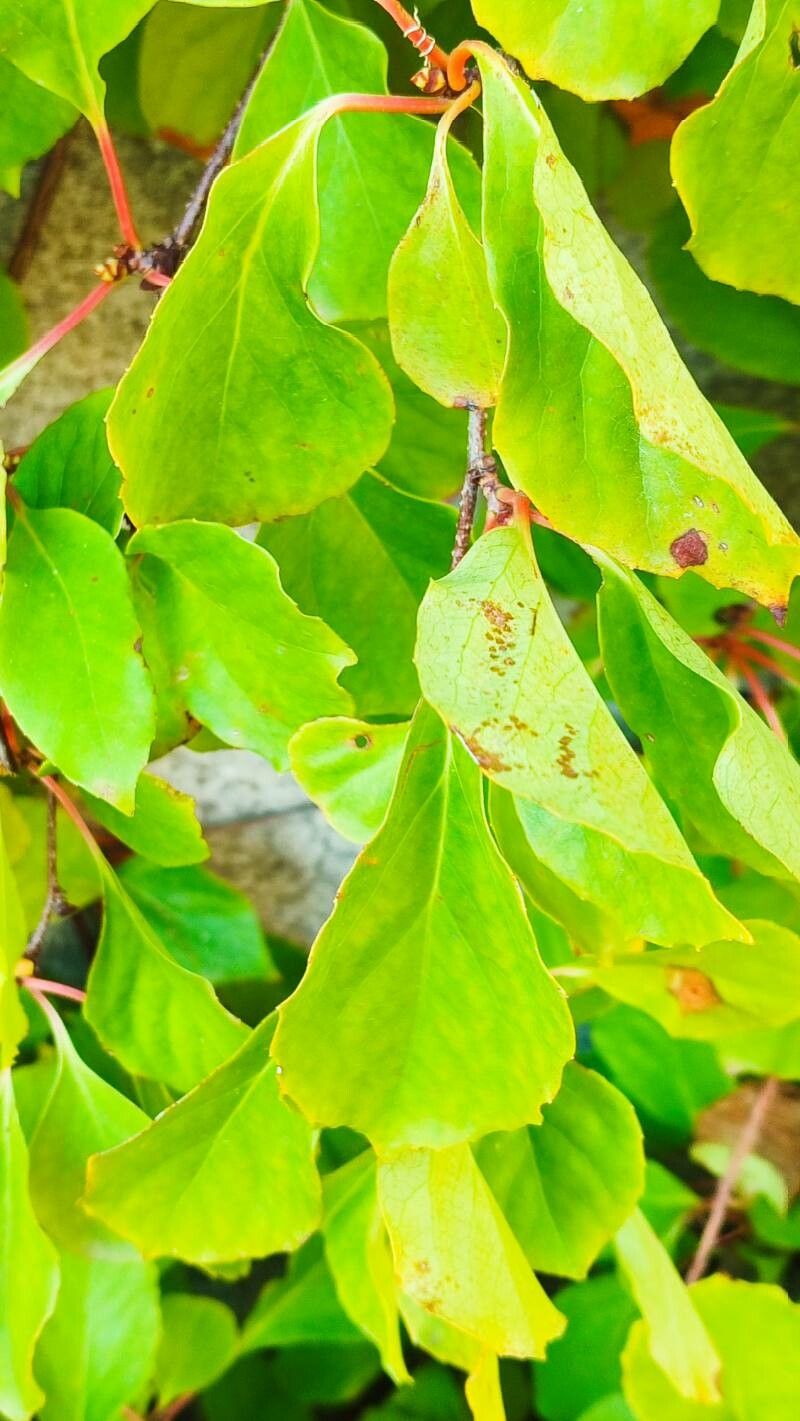
Hello there, fellow garden enthusiasts! If you’ve ever admired the delicate beauty and rewarding harvests of the Schisandra sphaerandra vine, you’re in for a treat. This wonderfully versatile plant, with its delightful berries and attractive foliage, is a joy to have gracing any garden. And the even better news? Propagating it yourself can be incredibly satisfying. Now, is it a breeze for absolute beginners? Honestly, it takes a little patience and attention to detail. But with my guidance, you’ll be well on your way to success.
The Best Time to Start
For the highest success rate with Schisandra sphaerandra, I find mid-summer to be the sweet spot. This is when the plant is actively growing but has developed some semi-hardened stems. You’re looking for pieces that are flexible but not too “green” and floppy. Aim for stems that have started to turn a bit woody, usually from the current season’s growth.
Supplies You’ll Need
Gathering your tools before you begin will make the whole process smooth. Here’s what I always have on hand:
- Sharp, clean pruning shears or a sharp knife: Essential for making clean cuts to prevent damage and disease.
- Rooting hormone powder or gel: This isn’t strictly mandatory, but it really gives your cuttings a boost.
- A well-draining potting mix: I usually mix equal parts seed starting mix, perlite, and a good quality compost. This provides aeration and nutrients without holding too much moisture.
- Small pots or seed trays: Clean ones are crucial!
- Plastic bags or a propagator lid: To create a humid environment.
- Labels: So you don’t forget what you’ve planted where!
- A watering can with a fine rose: For gentle watering.
Propagation Methods: Taking Stem Cuttings
The most reliable way I’ve found to propagate Schisandra sphaerandra is through stem cuttings. It’s straightforward, once you know the knack.
- Select your stems. On a warm, bright day in mid-summer, go out to your established Schisandra. Look for healthy, vigorous stems that are about pencil thickness.
- Take your cuttings. Using your clean shears, cut a section of stem that’s about 4-6 inches long. Make the bottom cut just below a leaf node (the little bump where a leaf grows from). Nodes are where roots are most likely to form. Discard the very tip end of the cutting.
- Prepare the cuttings. Gently remove the lower leaves, leaving just the top two or three. If those remaining leaves are quite large, you can even cut them in half horizontally to reduce water loss.
- Apply rooting hormone. Dip the cut end of each stem into your rooting hormone powder or gel. Tap off any excess.
- Plant your cuttings. Fill your small pots with your prepared potting mix. Make a hole with a pencil or a dibber and carefully insert the cutting, ensuring the node where you removed the leaves is below the soil surface. Gently firm the soil around the stem.
- Water gently. Water thoroughly until the potting mix is evenly moist but not waterlogged.
- Create humidity. Cover each pot loosely with a clear plastic bag, or place them in a propagator with a lid. This traps moisture and keeps the cuttings from drying out. Make sure the leaves don’t touch the plastic.
The “Secret Sauce” (Pro Tips)
Here are a couple of things I’ve learned over the years that really make a difference:
- Bottom Heat is Your Friend: If you have the means, placing your pots on a heated propagator mat can significantly speed up root development. It mimics the warmth of the soil in summer and gives those roots a real nudge to grow. I find it’s especially helpful for trickier woody cuttings.
- Air Circulation is Key: While you want a humid environment initially, don’t let those cuttings sit in stagnant air for too long. Open the plastic bag or propagator lid for a few minutes each day to allow for some air exchange. This helps prevent fungal issues and rot.
Aftercare & Troubleshooting
Once your cuttings are planted, place them in a bright spot, but out of direct, harsh sunlight. Keep the soil consistently moist – not soggy, but never dry. You should start to see signs of new growth within 4-8 weeks, depending on conditions. This is your indicator that roots have formed.
What if things look a little… sad? The most common problem is rot. If your cuttings turn mushy and black, it’s usually a sign of too much moisture and not enough air circulation. Don’t be discouraged! It happens to the best of us. Discard the rotted cuttings and try again, paying close attention to watering and air flow. Another sign of failure is just… nothing happening. If after a couple of months there’s no sign of roots or new growth, and they haven’t rotted, they might just not have taken. Again, try again with fresh cuttings!
A Little Patience Goes a Long Way
Propagating plants is a conversation with nature. It requires observation, a bit of intuition, and often, a good dose of patience. Don’t be afraid to experiment, and most importantly, enjoy the process of nurturing these new life forms. Before you know it, you’ll have a beautiful collection of your own Schisandra sphaerandra vines to admire and perhaps even share. Happy gardening!
Resource:
https://identify.plantnet.org/k-world-flora/species/Schisandra%20sphaerandra%20Stapf/data