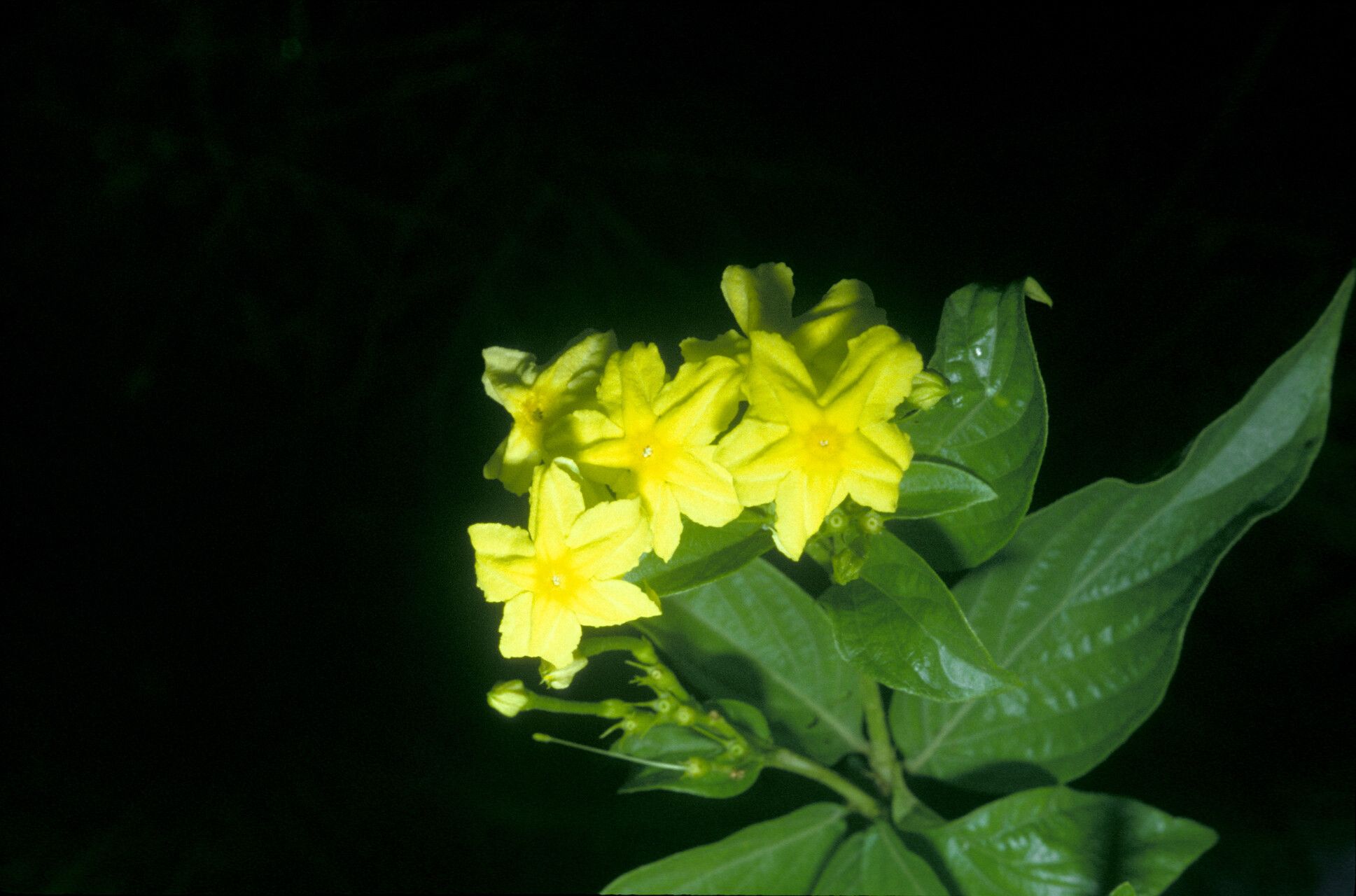
Hello fellow garden enthusiasts! Today, we’re diving into the delightful world of Mussaenda incana, a plant that truly brightens up any garden with its vibrant bracts. If you’ve ever admired those showy, papery sepals — often mistaken for the flowers themselves — and wanted more of this beauty, you’re in luck! Propagating Mussaenda incana is a wonderfully rewarding endeavor, and I’m excited to share my tried-and-true methods with you. This plant is quite forgiving, making it a great one for even beginner propagators.
The Best Time to Start
For the highest success rate with Mussaenda incana, I always recommend starting in the late spring or early summer. This is when the plant is actively growing and has plenty of energy to put into rooting new shoots. You’ll want to take cuttings from healthy, vigorous stems that are neither brand new and soft nor old and woody. Think slightly mature, but still flexible.
Supplies You’ll Need
Gathering your tools beforehand makes the whole process much smoother. Here’s what you’ll want to have on hand:
- Sharp Pruning Shears or a Clean Knife: For making clean cuts.
- Rooting Hormone: This can be a powder, gel, or liquid. It’s not strictly essential, but it certainly gives cuttings a helpful boost.
- Well-Draining Potting Mix: A good blend is usually equal parts peat moss or coco coir, perlite, and coarse sand. You can also buy specialized cutting mixes.
- Small Pots or Trays: Clean containers to house your cuttings.
- Clear Plastic Bag or Humidity Dome: To maintain high humidity around your cuttings.
- Watering Can or Spray Bottle: For gentle watering.
Propagation Methods
Mussaenda incana is wonderfully adaptable, and stem cuttings are hands down the most successful and straightforward method I’ve found.
Stem Cuttings
-
Select Your Cuttings: On a healthy Mussaenda plant, look for stems that are about 4-6 inches long. Make a clean cut just below a leaf node (where a leaf attaches to the stem). Remove the leaves from the lower half of the cutting. You can leave a couple of leaves at the top to help with photosynthesis.
-
Prepare the Cuttings: Dip the cut end of each stem into your rooting hormone. Gently tap off any excess.
-
Plant Your Cuttings: Fill your small pots or trays with your prepared potting mix. Make a small hole in the center of each pot with your finger or a pencil. Insert the cutting into the hole, making sure the node where you removed the leaves is buried in the soil. Gently firm the soil around the base of the cutting.
-
Water Gently: Water your cuttings thoroughly but gently. You don’t want to dislodge them.
-
Create a Humid Environment: Cover the pots with a clear plastic bag (making sure the leaves don’t touch the inside of the bag) or place them under a humidity dome. This traps moisture, which is crucial for cuttings that can’t yet absorb water from the soil.
The “Secret Sauce” (Pro Tips)
Here are a couple of things I’ve learned over the years that really make a difference for Mussaenda cuttings:
- Bottom Heat is Your Friend: If you have a heated propagator mat, place your pots on it. Young cuttings benefit immensely from bottom heat, as it encourages root development even when the air temperature isn’t perfectly balmy. I find it significantly speeds up the rooting process.
- Don’t Over-Water, But Keep Them Moist: While high humidity is key, constantly soggy soil can lead to rot. You want the potting mix to be consistently moist but not waterlogged. Check the moisture level by gently poking your finger into the soil. If it feels dry, give it a gentle watering.
Aftercare & Troubleshooting
Once your cuttings have rooted – which you can tell by gentle tugging on the stem or by seeing new leaf growth – it’s time to transition them.
- Gradually Acclimate: Carefully remove the plastic bag or humidity dome for increasing periods each day over a week. This allows the new plants to adjust to normal humidity levels.
- Move to Brighter Light: Once they are accustomed to lower humidity, move them to a brighter spot, but avoid direct, harsh sunlight for the first few weeks. A good indicator is plenty of light without the leaves scorching.
- Fertilize Sparingly: Wait a month or so after they’ve rooted and acclimated before giving them a very dilute liquid fertilizer.
If you notice your cuttings wilting excessively, turning yellow and dying, or developing a black mushy base, it’s often a sign of rot. This is usually due to overwatering or poor drainage. Don’t be discouraged if a few don’t make it; it’s part of the learning process for any gardener!
A Encouraging Closing
Propagation is a journey, and with Mussaenda incana, it’s a particularly charming one. Be patient with your new little plants, offer them consistent care, and celebrate each success. Before you know it, you’ll have a whole collection of these gorgeous Mussaendas to adorn your garden or share with friends. Happy propagating!
Resource:
https://identify.plantnet.org/k-world-flora/species/Mussaenda%20incana%20Wall./data