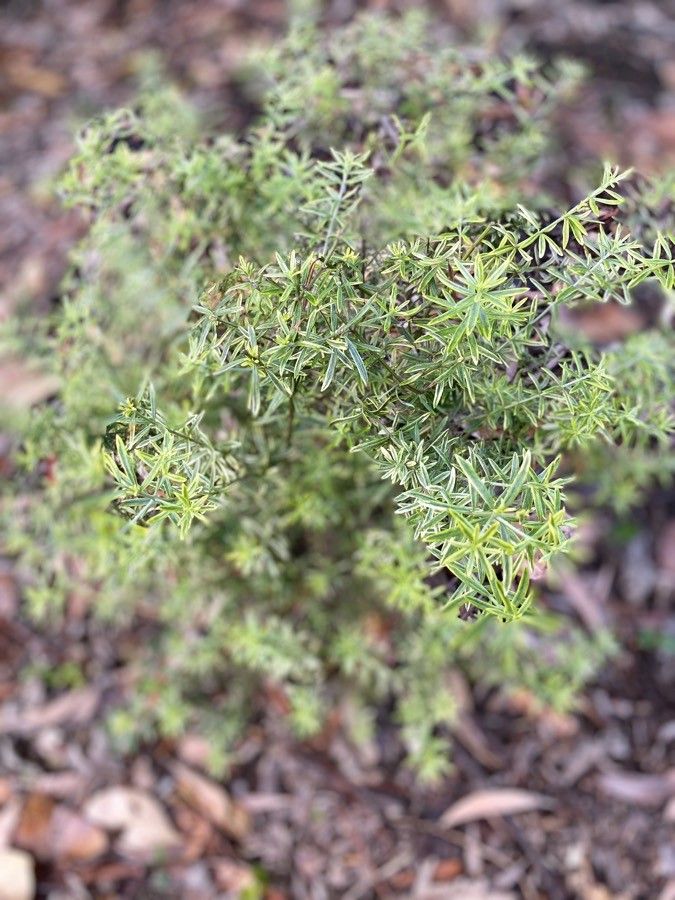
Oh, hello there! Come on in and grab a mug of something warm. Today, we’re going to chat about one of my absolute favorites: Westringia angustifolia. You know, those lovely shrubs that look a bit like miniature rosemary, with delicate little white or pale blue flowers that just keep on blooming? They’re absolute troopers, incredibly low-maintenance once they’re settled, and frankly, seeing them thrive brings a real smile to my face. And the best part? They are wonderfully easy to propagate! Even if you’re just dipping your toes into the world of plant moms and dads, this is a fantastic one to start with. You’ll be doubling your bush in no time, and there’s such a thrill in creating new life from an existing plant.
The Best Time to Start
For Westringia, I find the sweet spot is usually in the late spring or early summer. You want to catch the plant when it’s actively growing, but before the heat of mid-summer really kicks in. New, semi-hardwood growth is perfect. Think of it as the plant having plenty of energy to put into making new roots. You can also try in the autumn, but I’ve personally found spring offers a bit more oomph.
Supplies You’ll Need
Gathering your supplies before you start makes the whole process so much smoother. Here’s what I always have on hand:
- Sharp pruning shears or a clean knife: For making clean cuts.
- Rooting hormone (optional but recommended): A powder or gel that helps cuttings develop roots faster.
- Small pots or seed trays: With drainage holes, of course!
- A good potting mix: A light, well-draining mix is key. I often use a blend of equal parts perlite and peat moss, or a good quality seed-starting mix.
- A spray bottle: For misting.
- Plastic bags or a propagation tent: To create a humid environment.
- Labels and a marker: To remind yourself what you’ve planted!
Propagation Methods
Westringia is wonderfully amenable to stem cuttings. It’s my go-to method for this plant.
- Take Your Cuttings: From your healthy parent plant, select stems that are about 4-6 inches long. You want to find those that are somewhat firm but not woody. Gently snap or cut them just below a leaf node. A leaf node is where a leaf emerges from the stem.
- Prepare the Cuttings: Gently remove the lower leaves from the cutting, leaving just a few at the top. This prevents them from rotting in the soil.
- Apply Rooting Hormone: Dip the cut end of each cutting into your rooting hormone, tapping off any excess. This step isn’t strictly necessary, but it really does boost your success rate.
- Pot Them Up: Fill your small pots or trays with your prepared potting mix. Make a small hole with your finger or a pencil in the center of each pot.
- Insert Cuttings: Gently insert the prepared cuttings into the holes, making sure the soil is firm around them. Aim to have at least one leaf node buried in the soil.
- Water and Cover: Water the soil gently but thoroughly. Now, the crucial step for humidity: cover the pots with a clear plastic bag, bunching it at the bottom to create a mini-greenhouse, or place them inside a propagation tent. Make sure the leaves aren’t touching the plastic if possible.
The “Secret Sauce” (Pro Tips)
Here are a few little tricks that have served me well over the years:
- Don’t Overcrowd: While it’s tempting to pack a tray full of cuttings, give them a little breathing room. This helps prevent the spread of any potential fungal issues.
- Bottom Heat Helps: If you have a heat mat designed for seedlings, placing your pots on that can significantly speed up root development. It mimics the warmth of spring soil. Westringia loves a bit of warmth from below.
- Be Patient with Water Propagation: While stem cuttings in soil are my preference for Westringia, if you do experiment with water propagation (just placing cuttings in a jar of water), make sure absolutely no leaves are submerged. They will rot quickly and can take down the whole cutting with them. Change the water every few days.
Aftercare & Troubleshooting
Once your cuttings are nestled in their pots and covered, place them in a bright spot, but out of direct midday sun. Mist them lightly every few days to keep the humidity up. You should start to see signs of rooting in about 4-6 weeks. You can gently tug on a cutting – if there’s resistance, it’s trying to root!
The most common issue you might face is rot. If you see cuttings turning brown and mushy, they’ve likely rotted. This is usually due to too much moisture and not enough air circulation, or sometimes the use of a too-heavy soil mix. If you spot rot, remove the affected cutting immediately to protect the others. Sometimes, you might see no growth at all for a long time. Don’t despair! Some plants are just slow growers. Keep them in their humid environment and wait.
A Encouraging Closing
See? Not so daunting, is it? Propagating Westringia is a joy, a real lesson in patience and nurturing. Don’t be discouraged if your first batch isn’t a runaway success. Every cutting is a learning opportunity. Just keep trying, enjoy the process, and soon you’ll have a whole garden of these beautiful, resilient little shrubs to share or simply admire. Happy propagating!
Resource:
https://identify.plantnet.org/k-world-flora/species/Westringia%20angustifolia%20R.Br./data