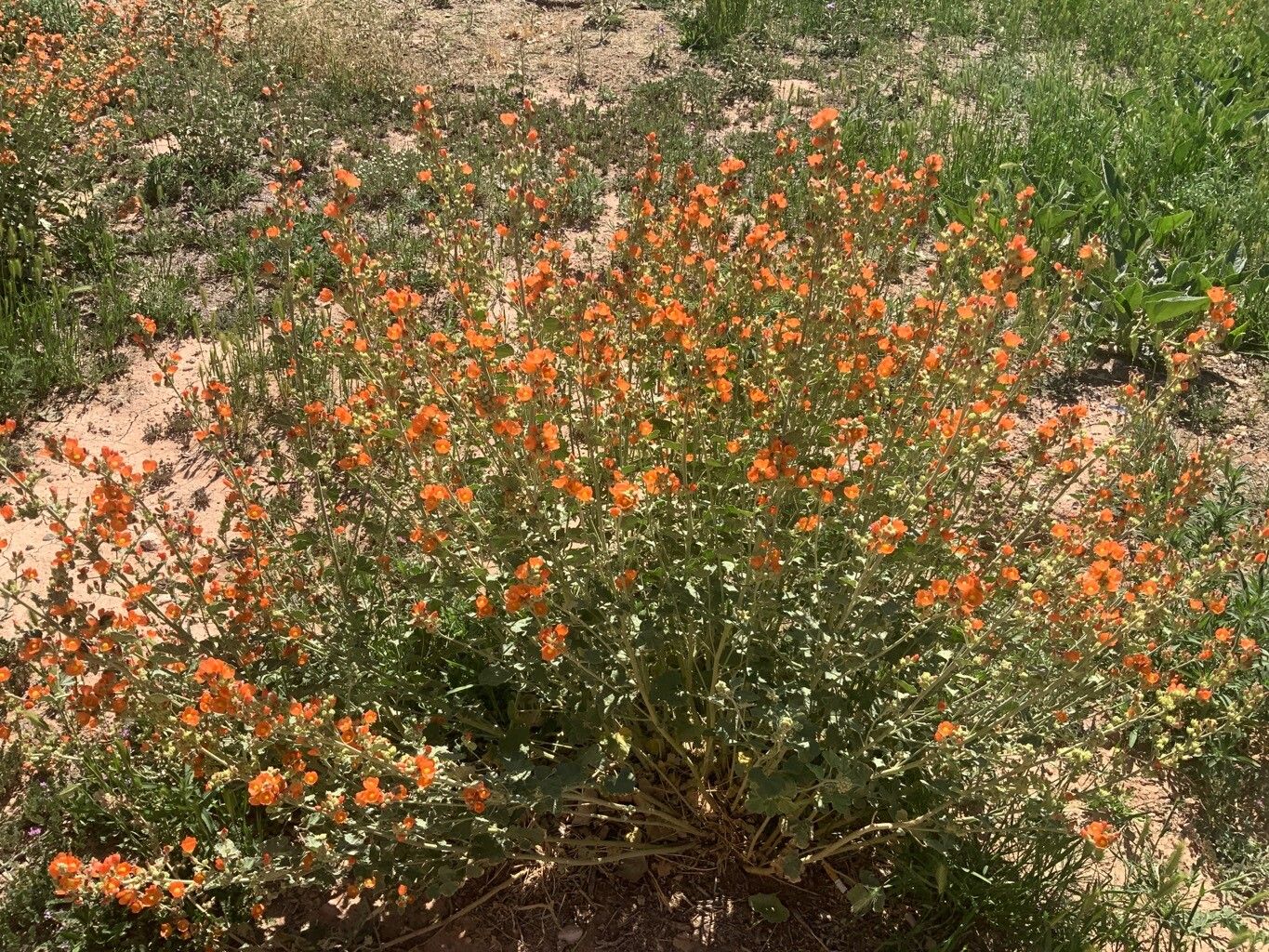
Hello there, fellow garden enthusiasts! It’s so good to have you here. Today, we’re diving into the wonderful world of Sphaeralcea incana, often known as the woolly mallow. If you’ve ever admired those lovely, muted grey-green leaves and bursts of delicate pink or lavender blooms that seem to glow in the garden, you’re in for a treat. Propagating this beauty yourself is incredibly rewarding. It’s a plant that offers a gentle, consistent charm, and the good news? It’s quite forgiving, making it a fantastic choice even if you’re just starting your propagation journey.
The Best Time to Start
For Sphaeralcea incana, I find the late spring to early summer is absolutely prime time. This is when the plant is actively growing after its winter rest and is typically bursting with new, succulent stems. Starting your propagation then means your cuttings will have a good long growing season ahead of them to establish strong roots. Trying it too late in the fall can mean the new plants won’t have enough time to mature before cooler weather sets in.
Supplies You’ll Need
Gathering your supplies beforehand makes the whole process so much smoother:
- Clean Pruning Shears or Sharp Knife: For taking precise cuttings.
- Potting Mix: A well-draining mix is crucial. I like to use a blend of equal parts perlite and seed starting mix, or even add some coarse sand.
- Small Pots or Trays: With drainage holes, of course!
- Rooting Hormone (Optional but recommended): A powder or gel form. This really gives your cuttings a helpful boost.
- Plastic Bags or a Propagation Dome: To create a humid microclimate.
- Watering Can or Spray Bottle: For gentle watering.
- Labels: To keep track of what you’ve planted!
Propagation Methods
Most of my success with Sphaeralcea incana comes from stem cuttings. It’s straightforward and usually yields great results.
Here’s how I do it:
- Take Your Cuttings: On a bright morning, select a healthy, non-flowering stem. Using your clean shears, cut a piece about 4-6 inches long. Make your cut just below a leaf node (where a leaf attaches to the stem). Remove the lower leaves, leaving just a few at the top.
- Prepare the Cutting: If you’re using rooting hormone, dip the cut end of the stem into the hormone powder or gel. Gently tap off any excess.
- Planting: Fill your small pots with your prepared, moistened potting mix. Make a hole in the center of the soil with your finger or a pencil.
- Insert the Cutting: Place the prepared cutting into the hole, ensuring at least one leaf node is below the soil surface. Firm the soil gently around the stem.
- Create Humidity: Water the soil lightly. Then, cover the pot with a clear plastic bag, making sure the leaves don’t touch the plastic. Alternatively, use a propagation dome. This traps moisture and keeps the cutting from drying out.
- Placement: Set your pots in a bright location but out of direct sunlight. A windowsill that gets filtered light is perfect.
The “Secret Sauce” (Pro Tips)
After years of tinkering, I’ve learned a few things that really make a difference:
- Don’t Overwater: This is probably the most common mistake! Your cuttings need moisture, but soggy soil is a fast track to rot. Water only when the top inch of soil feels dry. A light misting from your spray bottle is often enough.
- Bottom Heat is Your Friend: If you have a seedling heat mat, using it can significantly speed up root development. Just place your pots on top of it. It mimics the warmth of summer soil and gives those roots a real kickstart.
- Patience is Paramount: You might not see any signs of new growth for several weeks. Don’t give up! Keep them consistently moist (but not wet) and in that bright, indirect light. Roots are forming under the surface, even if you can’t see them.
Aftercare & Troubleshooting
Once you see signs of new leaf growth or feel a gentle tug when you carefully test the cutting, you know roots are forming! This is a really exciting moment.
- Gradual Acclimation: Begin to gradually acclimate your new plant to open air by lifting the plastic bag or propagation dome for increasing periods each day over a week.
- Transplanting: Once the roots have filled the pot (you might see them emerging from the drainage holes), you can transplant them into slightly larger pots with good quality potting soil.
- Watering: Continue to water when the top inch of soil is dry. New plants can be a bit sensitive, so avoid letting them dry out completely but also don’t drown them.
- Signs of Trouble: The most common issue is rot, which often shows up as a mushy, black stem and drooping leaves. This is usually a sign of too much moisture. If you see this, you might need to start over with fresh cuttings and a drier approach. Yellowing leaves can sometimes indicate too much direct sun or nutrient deficiency, but with young cuttings, it’s often a sign they are struggling to root.
A Encouraging Closing
Propagating Sphaeralcea incana is such a rewarding endeavor. It’s a quiet kind of magic, watching a tiny cutting transform into a thriving new plant. Remember to be patient with yourself and with your cuttings. Nature has its own rhythm, and enjoying the process is just as important as the outcome. Happy propagating, and may your woolly mallows bloom beautifully!
Resource:
https://identify.plantnet.org/k-world-flora/species/Sphaeralcea%20incana%20Torr.%20ex%20A.Gray/data