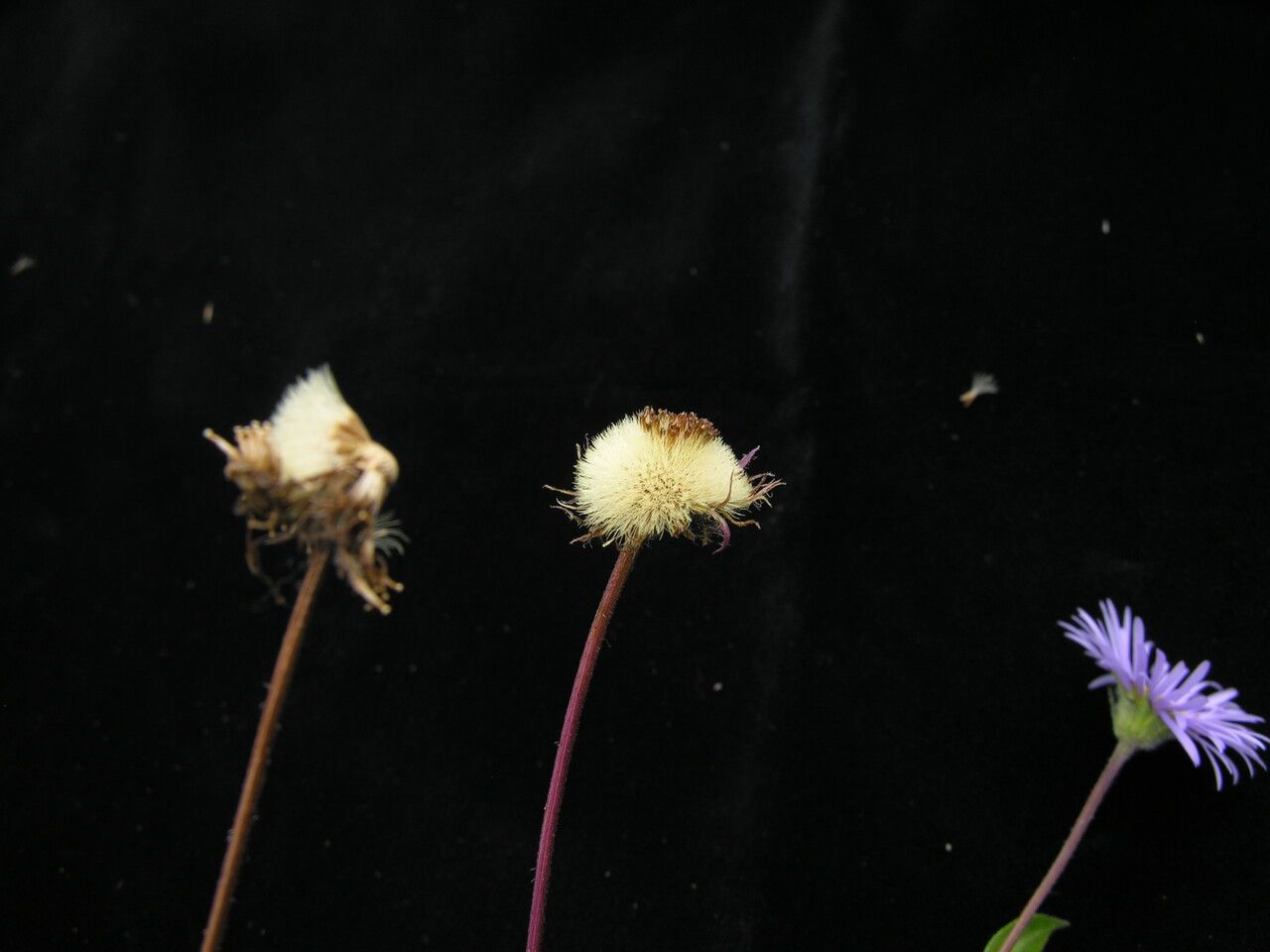
Hello, fellow garden enthusiasts! I’ve got a real treat for you today. We’re diving into the wonderful world of Aster indamellus, those charming, starry blooms that bring such vibrant color to our late summer and fall gardens.
I’ve spent years getting to know these beauties, and I can tell you, propagating them is incredibly rewarding. You get to essentially multiply that joy, sharing plants with friends or simply filling more of your own garden beds. For beginners? I’d say Aster indamellus is generally quite forgiving, which makes it a wonderful plant to try your hand at propagation with.
The Best Time to Start
When is the magic hour for getting new asters going? I find the sweet spot is usually late spring to early summer, right as the plants are actively growing and have plenty of energy. You want to work with healthy, vigorous stems. Alternatively, you can also propagate them in early autumn, after the main flush of flowering has passed but before a hard frost. This gives them a little time to establish before winter really sets in.
Supplies You’ll Need
Gathering your supplies makes the whole process much smoother. Here’s what I always have on hand:
- Sharp Pruning Shears or a Craft Knife: For clean cuts, which are crucial for rooting.
- Potting Mix: A good quality, well-draining seed starting mix or a blend of equal parts peat moss and perlite works wonders.
- Small Pots or Trays: Clean pots are essential to prevent disease.
- Rooting Hormone (Optional but Recommended): This little helper can significantly boost your success rate, especially for trickier cuttings. Look for a powder or gel formulation.
- Watering Can with a Fine Rose: Gentle watering is key.
- Plastic Bag or Clear Dome: To create a humid environment for cuttings.
- Labels: Don’t forget to label your propagated plants!
Propagation Methods
There are a couple of straightforward ways to share your Aster indamellus love.
Stem Cuttings
This is my go-to method for Aster indamellus. It’s reliable and creates a genetically identical plant.
- Take Cuttings: In late spring or early summer, select healthy, non-flowering shoots. Using your sharp shears, take cuttings that are about 4-6 inches long. Make the cut just below a leaf node (where a leaf attaches to the stem).
- Prepare the Cuttings: Gently remove the lower leaves from the stem, leaving only a few at the very top. If your cuttings have any flower buds, pinch them off; you want the plant to focus its energy on root development, not flowering.
- Apply Rooting Hormone: Dip the cut end of each stem into your rooting hormone, tapping off any excess.
- Plant the Cuttings: Fill your small pots with your prepared potting mix. Make a small hole in the center with your finger or a pencil. Insert the cutting into the hole, ensuring the nodes where you removed the leaves are below the soil surface. Gently firm the soil around the stem.
- Water Gently: Water your newly potted cuttings thoroughly.
- Create Humidity: Cover the pots with a plastic bag, propped up with stakes so it doesn’t touch the leaves, or use a clear plastic dome. Place them in a bright location, but out of direct, intense sunlight.
Division
This is perfect for older, established clumps. It’s essentially creating multiple plants from one!
- Dig Up the Plant: In early spring before new growth really takes off, or in early autumn after flowering has finished, carefully dig up the entire aster clump. You want to disturb the roots as little as possible.
- Separate the Roots: Gently shake off excess soil from the root ball. You can often tease the clump apart with your hands or use your trowel to help separate it into smaller sections. Aim for divisions that have a good amount of roots and at least a few healthy shoots.
- Replant: Replant the divisions immediately into their new spots in the garden or into pots. Ensure the base of the shoots is at soil level. Water them well to help them settle in.
The “Secret Sauce” (Pro Tips)
Here are a couple of things I’ve learned over the years that can really make a difference:
- Bottom Heat is Your Friend: For stem cuttings, providing gentle bottom heat (using a propagation mat or placing them on top of a well-functioning refrigerator) can really encourage root formation. It mimics the warmth of spring soil.
- Don’t Let Those Leaves Drip! If you’re using a plastic bag or dome to create humidity, ensure the leaves never touch the condensation. This is a breeding ground for fungal diseases and will likely lead to rot. Be sure the covering is well-supported or use a dome.
Aftercare & Troubleshooting
Once your cuttings show signs of rooting (you might see new leaf growth or feel resistance when you gently tug on the stem), it’s time for some attentive care.
- Gradually Acclimate: For cuttings, slowly remove the humidity cover over a week or two. This helps them adjust to normal humidity levels.
- Water Consistently: Keep the soil consistently moist but not waterlogged. It’s better to water less frequently and deeply than to constantly sprinkle the surface.
- Watch for Rot: The most common sign of failure is rot, which usually looks like black, mushy stems. This is often caused by overwatering, poor drainage, or a lack of air circulation. If you see it, sadly, that cutting is likely lost. Remove it from the pot immediately to prevent it from spreading.
- Patience is Key: Rooting can take anywhere from 3 to 6 weeks, sometimes longer. Don’t be discouraged if you don’t see immediate results.
Happy Propagating!
There you have it! You’re now equipped to multiply those beautiful Aster indamellus. Remember, gardening is a journey of learning and experimentation. Each season brings new lessons, and every successful propagation is a little victory to celebrate. Be patient, enjoy the process, and soon you’ll have a garden bursting with these delightful starry blooms. Happy gardening!
Resource:
https://identify.plantnet.org/k-world-flora/species/Aster%20indamellus%20Grierson/data