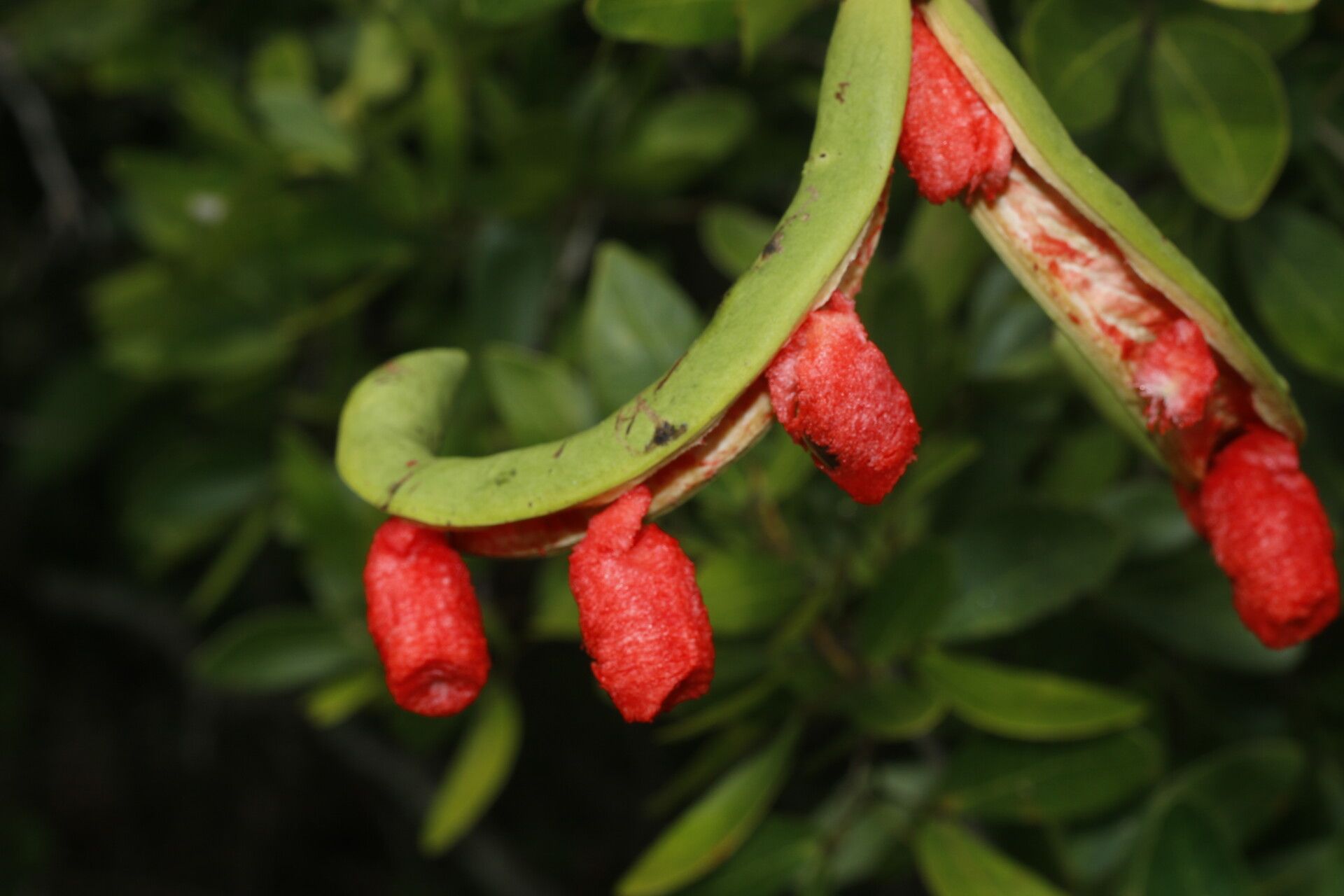
Hello, fellow garden enthusiasts! Today, I want to chat about a plant that has truly captured my heart: the Pithecellobium lanceolatum, often called Woolly Ironwood or Blackbead. Its delicate, feathery foliage and occasional clusters of charming, creamy-white flowers make it a standout in any garden. Plus, there’s something incredibly satisfying about coaxing a new life from a piece of your existing plant. It’s a wonderful feeling, like a secret whispered between you and nature.
Now, I know some propagation can feel a bit intimidating, but don’t fret! While Pithecellobium lanceolatum might not be the absolute easiest plant for a complete beginner, it’s certainly very doable with a little patience and care. I’ve been doing this for two decades, and I find it to be a rewarding challenge that pays off beautifully.
The Best Time to Start
For the highest success rates with your Pithecellobium lanceolatum, you’ll want to focus on the active growing season. Think late spring through early summer. This is when the plant is full of vigor and has the most energy to dedicate to developing new roots. Waiting until the plant is actively putting out new growth is key. Avoid propagating during its dormant period; it’s just too sleepy then!
Supplies You’ll Need
Gathering your supplies makes the whole process smoother. Here’s what I always have on hand:
- Sharp, clean pruning shears or a sharp knife: For making clean cuts. Sterilize them with rubbing alcohol before and after use.
- Peat moss or a mix of peat and perlite: This creates a light, airy medium that’s perfect for root development. A seed-starting mix also works wonderfully.
- Small pots or seed trays: Clean ones, of course! Little terracotta pots are my favorites.
- Rooting hormone (optional but recommended): This gives your cuttings a helpful boost. Look for one with auxin.
- Plastic bags or a clear plastic dome: To create a humid environment for your cuttings.
- Water spray bottle: For misting.
- Labels and a permanent marker: To keep track of what you planted and when.
Propagation Methods
I’ve found the most reliable way to propagate Pithecellobium lanceolatum is through stem cuttings. It’s straightforward and usually yields great results!
- Take Your Cuttings: In late spring or early summer, select healthy, non-flowering stems from a mature plant. Look for stems that are about 6-8 inches long and not too woody, but also not completely soft and new. Using your clean shears, make a clean cut just below a leaf node (the point where leaves emerge from the stem).
- Prepare the Cuttings: Gently remove the lower leaves from the cutting, leaving just a few at the very top. This prevents them from rotting in the soil. If your leaves are quite large, you can even cut them in half to reduce water loss.
- Apply Rooting Hormone: If you’re using rooting hormone, dip the cut end into the powder or gel. Tap off any excess.
- Plant Your Cuttings: Fill your clean pots with your moistened peat moss or seed-starting mix. Make a hole in the center with your finger or a pencil.
- Insert the Cuttings: Gently insert the prepared end of the stem cutting into the hole, making sure the leaf nodes that were just above the soil line are now buried. Firm the soil gently around the base of the cutting to ensure good contact.
- Create Humidity: Water the soil gently until it’s evenly moist. Then, cover the pots with a plastic bag or a clear plastic dome to trap humidity. Make sure the plastic doesn’t touch the leaves of the cuttings. You can use stakes to support it.
- Place in Bright, Indirect Light: Find a warm spot that receives bright, indirect light, but no direct sun, which can scorch the delicate cuttings.
The “Secret Sauce” (Pro Tips)
Over the years, I’ve learned a few little tricks that seem to make all the difference.
- The Power of Bottom Heat: If you can, place your potted cuttings on a gentle heating mat. This warmth encourages root development from below, mimicking ideal natural conditions. It’s a game-changer for many cuttings, and Pithecellobium lanceolatum is no exception.
- Don’t Drench, Just Moisten: It’s crucial to keep the soil consistently moist but never waterlogged. Soggy conditions are the fastest route to rot. If you’re unsure, err on the side of slightly drier. I find misting the leaves occasionally can also be beneficial, but again, avoid letting water sit in the leaf axils.
- The “Pinch and Wait” Game: When you’re taking cuttings, I like to pinch off any flower buds that might form. All the plant’s energy needs to go into root development, not flower production!
Aftercare & Troubleshooting
Once your cuttings have been planted, patience is your best friend! Keep the soil moist and the humidity high. You should start to see new leaf growth within 4-8 weeks, which is a good indicator that roots are forming. You can gently tug on a cutting; if there’s resistance, it’s likely rooted.
The most common issue you might encounter is rot, which looks like the cutting turning soft, brown, and mushy. This is almost always due to overwatering or poor air circulation. If you see this, sadly, that cutting is likely lost. Don’t despair; just try again! Sometimes, you might notice cuttings just shriveling up – this often means they’re drying out too much, so check your humidity levels and watering.
A Encouraging Closing
Propagating your own Pithecellobium lanceolatum is a journey, and like any good garden project, it’s about the process as much as the outcome. Don’t be discouraged if your first attempts aren’t perfect. Learn from them, enjoy the quiet moments spent tending to your tiny plant babies, and celebrate every little sign of success. Happy gardening, and may your Blackbeads thrive!
Resource: