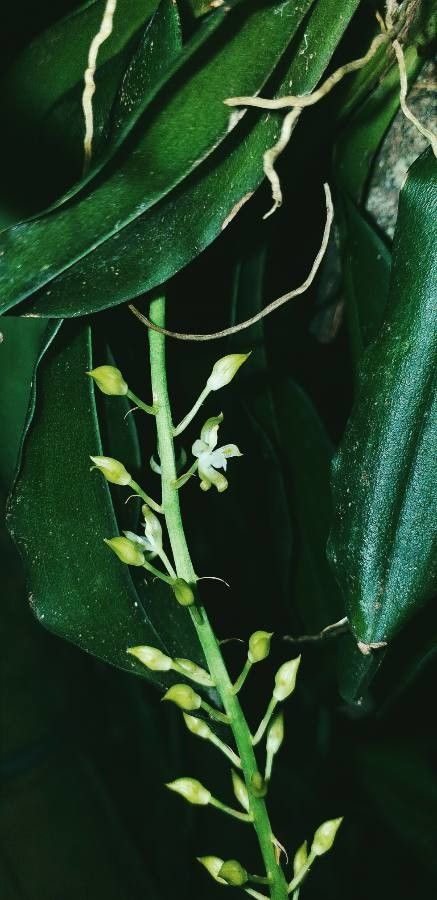
Hello fellow plant lovers! I’m so excited to chat with you today about a truly special orchid I’ve been cultivating for years: Notylia aromatica. If you’re looking for a plant that brings delicate, sweet fragrance to your home and rewards your efforts with beautiful blooms, you’re in for a treat. And the best part? Propagating them can be incredibly satisfying. Now, I’ll be honest, Notylia aromatica isn’t typically considered a beginner orchid, but with a little patience and these tips, you can absolutely succeed.
The Best Time to Start
For Notylia aromatica, the sweet spot for propagation is during its active growth phase. This usually means spring or early summer, right after it finishes its main blooming cycle. You want to take cuttings or divide the plant when it’s got good energy, which will help those new divisions or cuttings establish themselves faster and stronger.
Supplies You’ll Need
Before we get our hands dirty, let’s gather our tools. You’ll want:
- Sharp, sterile pruning shears or a knife: For clean cuts are crucial to prevent disease.
- A good orchid potting mix: Something airy and well-draining is key. I like a mix of bark, perlite, and a bit of sphagnum moss.
- Small pots or community trays: For your new baby plants. Think terracotta or plastic – just make sure they have drainage holes!
- Rooting hormone (optional, but helpful): A powder or gel can give your cuttings a little boost.
- Labels: Trust me, future you will thank you for labeling your efforts!
- A spray bottle: For gentle watering.
Propagation Methods
Notylia aromatica is best propagated by division. These orchids tend to grow in clumps, and breaking them apart is the most straightforward way to get more plants.
- Gently Unpot: Carefully remove your Notylia aromatica from its current pot. You might need to gently loosen the edge of the pot with a knife if it’s been in there a while.
- Inspect the Roots: Look at the root system. You’re looking for natural divisions, where a new growth point is connected to the mother plant by healthy rhizomes (those thick, fleshy stems).
- Make the Cut: Using your sterile shears or knife, carefully separate the clumps. Aim for divisions that have at least two to three healthy pseudobulbs and a good root system. If there are lots of tangled roots, you might need to gently tease them apart with your fingers or a blunt tool.
- Pot Them Up: Plant each division in its own well-draining pot with fresh orchid mix. Make sure the base of the pseudobulbs are at or just slightly above the surface of the mix. Water lightly.
The “Secret Sauce” (Pro Tips)
Here are a couple of things I’ve learned over the years that really make a difference:
- When repotting or dividing, don’t be afraid of losing a few leaves. Healthy roots are far more important than perfect foliage at this stage. If a division has a great root system, it can bounce back even if it looks a bit rough.
- Avoid overwatering new divisions! This is probably the most common mistake. They are sensitive to rot when they don’t have a developed root system to take up moisture. Let the potting mix dry out a bit between waterings.
Aftercare & Troubleshooting
Once your divisions are potted, place them in an area with bright, indirect light and good air circulation. Keep them slightly more humid than you might an established plant, but don’t let them sit in soggy conditions.
The biggest sign of trouble will be rot. If you see pseudobulbs shriveling and turning mushy, or if leaves start yellowing and falling off rapidly, it’s likely due to too much moisture. If this happens, gently unpot the division, trim away any rotted parts with your sterile tool, and repot in dry mix. You can also try a fungicide drench if you suspect a fungal issue.
A Little Patience Goes a Long Way
Propagating orchids takes time, so try to relax and enjoy watching your new Notylia aromatica plants grow. Celebrate the small wins – a new leaf unfurling, a tiny root emerging. With a little care and encouragement, you’ll soon have a whole collection to share (or keep all to yourself!). Happy growing!
Resource:
https://identify.plantnet.org/k-world-flora/species/Notylia%20aromatica%20Barker%20ex%20Lindl./data