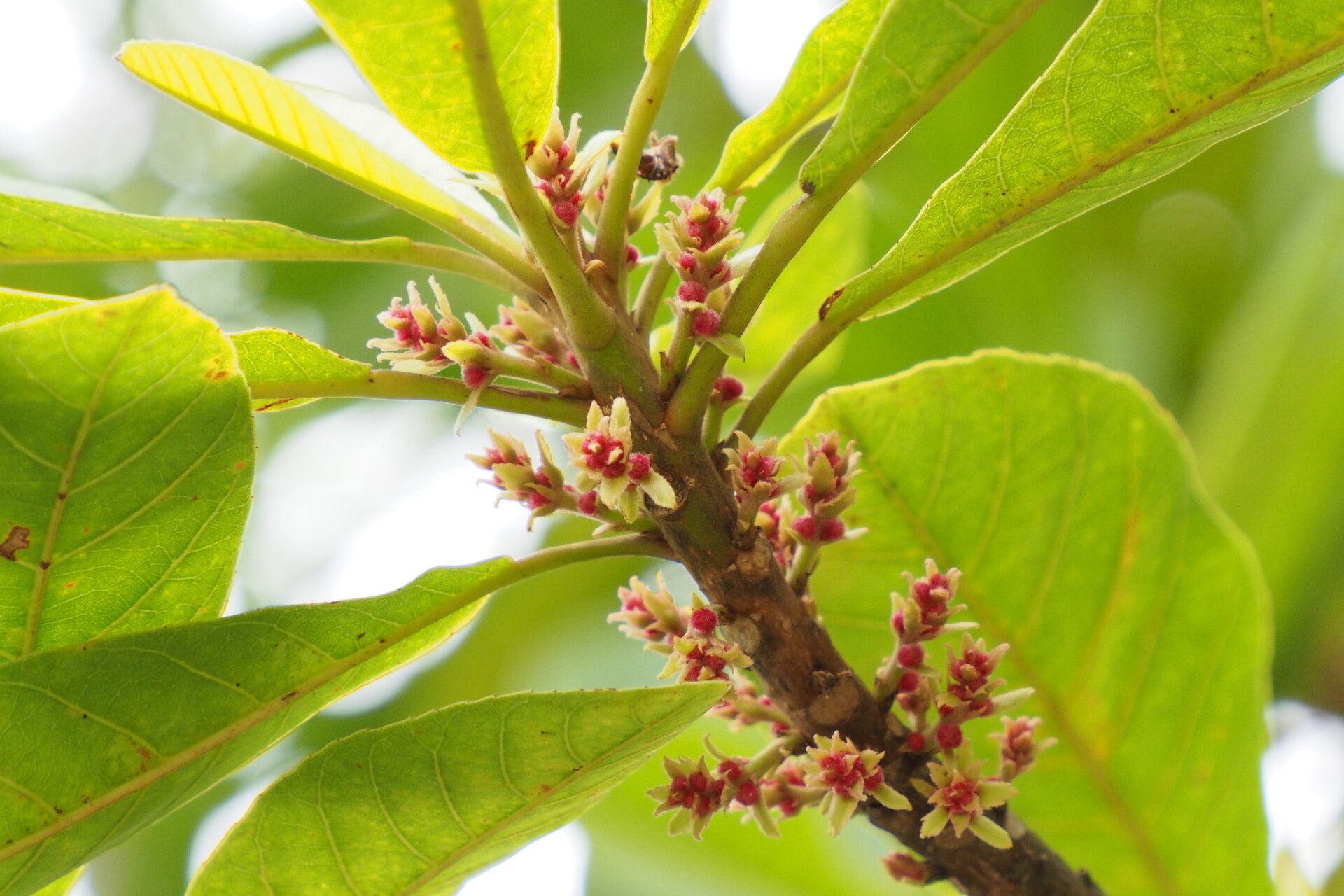
You know, some plants just have that something special about them. For me, Elaeocarpus rugosus, or the Blue Fig as it’s sometimes called, is one of those. Its beautiful, glossy leaves and the potential for those intriguing blue fruits make it a real standout. And the best part? You can bring more of that beauty into your garden by propagating it yourself! It’s incredibly satisfying to watch a tiny cutting or seed transform into a thriving new plant. While I wouldn’t call it a beginner’s absolute first plant to tackle, it’s certainly not out of reach for anyone willing to try. A little patience goes a long way!
The Best Time to Start
Honestly, the sweet spot for propagating Elaeocarpus rugosus is typically late spring to early summer. This is when the plant is actively growing, and new shoots are abundant. These younger, more vigorous stems are much more inclined to root than older, woodier ones. Think of it as catching the plant at its peak energy!
Supplies You’ll Need
Before we dive in, let’s gather our essentials:
- Sharp, clean pruning shears or a sharp knife: This is crucial for making clean cuts that heal well.
- Rooting hormone (optional but recommended): A powder or gel can significantly boost your success rate.
- Well-draining potting mix: A blend of peat moss, perlite, and a bit of compost works wonderfully. You can also find specialized seed-starting or cutting mixes.
- Small pots or trays: Clean pots are a must to prevent disease.
- Plastic bags or a propagator: To create a humid environment.
- Watering can or spray bottle: For gentle watering.
- Labels and a marker: To keep track of your projects!
Propagation Methods
Let’s talk about how we can get more of these lovely plants.
Stem Cuttings: My Go-To Method
This is usually the most reliable way to propagate Elaeocarpus rugosus.
- Take Cuttings: In late spring or early summer, select healthy, non-flowering shoots from a mature plant. You want pieces that are about 4-6 inches long. Make your cut just below a leaf node (that little bump where a leaf joins the stem). This is where the magic happens for root development.
- Prepare the Cuttings: Gently remove the lower leaves, leaving just a couple at the very top. If the remaining leaves are quite large, you can even snip them in half to reduce water loss.
- Apply Rooting Hormone: Dip the cut end of each stem into rooting hormone. Tap off any excess.
- Plant the Cuttings: Fill your clean pots with your well-draining potting mix. Make a hole with a pencil or your finger and gently insert the cutting, ensuring the nodes where you removed leaves are buried. Firm the soil around the stem.
- Create Humidity: Water the soil gently. Then, cover the pot with a plastic bag or place it on a tray inside a propagator. This keeps the moisture in and provides the humid environment the cuttings need.
Water Propagation (for the impatient!)
While I often find stem cuttings more successful long-term, you can try water propagation.
- Select and Prepare: Similar to stem cuttings, choose healthy, semi-hardwood cuttings, about 4-6 inches long. Remove the lower leaves.
- Place in Water: Put the cuttings in a clean jar or vase filled with fresh water.
- Positioning is Key: Crucially, make sure no leaves are submerged in the water. They will just rot.
- Change Water Regularly: Change the water every few days to keep it fresh and prevent bacterial growth.
- Patience: You’ll start to see roots developing in a few weeks. Once the roots are about an inch long, you can pot them up into soil, just like a rooted cutting.
The “Secret Sauce” (Pro Tips)
Here are a couple of things I’ve learned over the years that really make a difference:
- Bottom Heat is Your Friend: If you can, place your pots on a heat mat specifically designed for propagation. This gentle warmth encourages root development from below, making those cuttings much happier and faster to root. It’s a game-changer!
- Don’t Overwater, But Don’t Let Them Dry Out: This is a tricky balance. The soil should always feel moist but not soggy. If you press a handful, it should hold its shape but not drip water. Checking by gently touching the soil surface is often enough.
Aftercare & Troubleshooting
Once you see those first tiny roots peeking out (or leaves starting to unfurl, a sign of successful rooting!), it’s time for a little extra care.
- Acclimatization: Slowly remove the plastic bag or propagator lid over a week or so, allowing the new plant to adjust to normal humidity.
- Gentle Watering: Continue to keep the soil consistently moist.
- Light: Place the new plant in a bright spot, but out of direct, harsh sunlight.
- Rot: The most common issue you might face is rot. This usually happens when the soil stays too wet for too long, or if your cuttings were cut at the wrong time or with dull tools. If you see a cutting turning black and mushy, it’s best to pull it out so it doesn’t affect others.
A Gentle Wind-Up
Propagating plants is a journey, and sometimes it takes a few tries. Don’t get discouraged if not every cutting makes it. Each attempt is a learning experience, and the thrill of seeing those first roots emerge is truly worth the effort. So, grab your secateurs, get your hands dirty, and enjoy the wonderfully rewarding process of growing your own Elaeocarpus rugosus. Happy gardening!
Resource:
https://identify.plantnet.org/k-world-flora/species/Elaeocarpus%20rugosus%20Roxb.%20ex%20G.Don/data