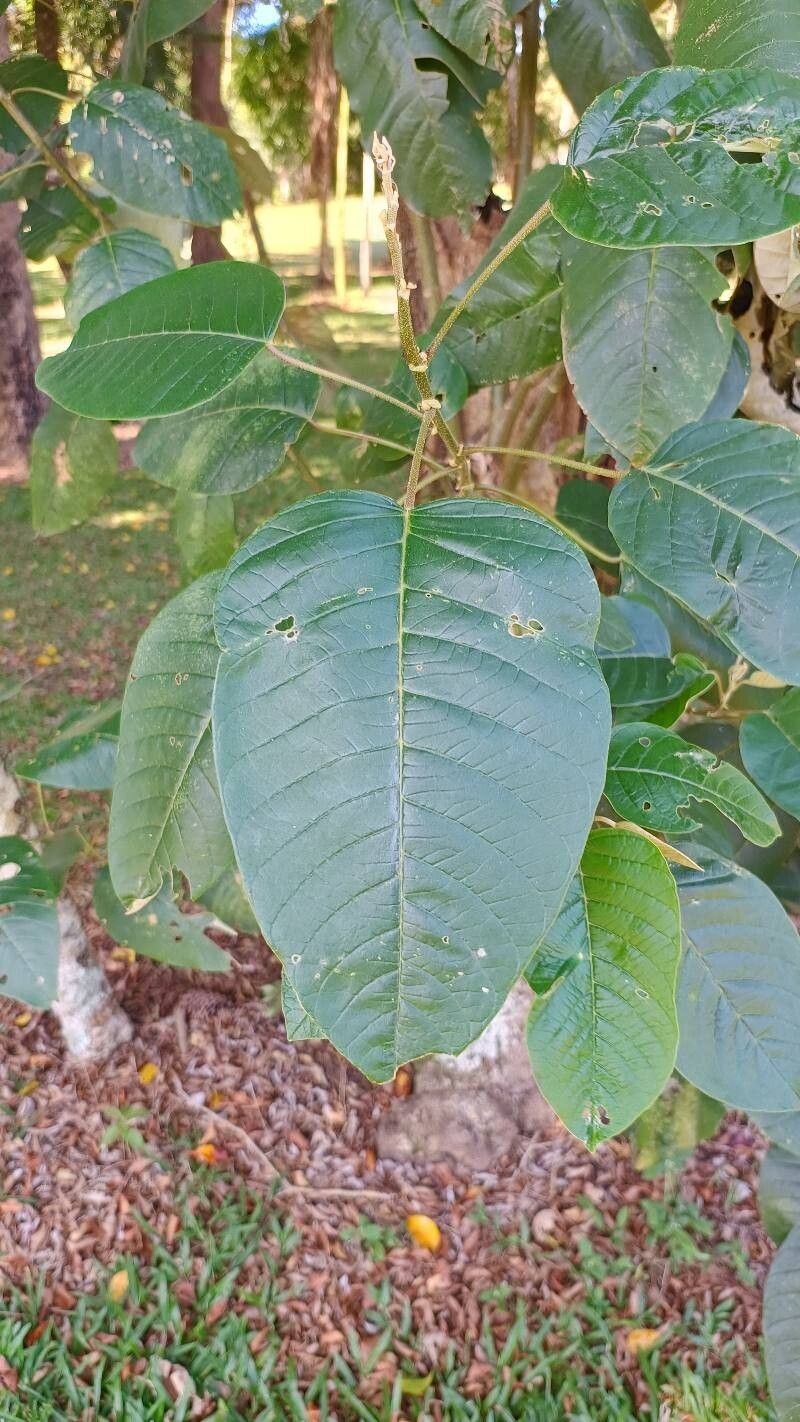
Oh, Crotons! Aren’t they just a burst of sunshine in leaf form? With their vibrant, ever-changing colors, they can turn any corner of your home or garden into a tropical paradise. And the best part? You can easily multiply that joy by propagating them yourself. It’s a truly rewarding experience, watching a tiny cutting unfurl new leaves and eventually become a mini version of its parent plant. Don’t be intimidated; propagating Crotons is quite manageable, even if you’re just starting out.
The Best Time to Start
For Crotons, spring and early summer are your golden ticket to propagation success. This is when the plant is actively growing, and cuttings taken during this period have the best chance of rooting quickly. You’ll want to select stems that are mature but not woody – think of them as having the “snap” of a sturdy green bean.
Supplies You’ll Need
Gathering your supplies before you begin makes the whole process smoother. Here’s what I like to have on hand:
- Sharp, clean pruning shears or a knife: Essential for making clean cuts to prevent disease.
- Rooting hormone (optional but recommended): This really gives your cuttings an extra boost.
- Well-draining potting mix: A blend of perlite, peat moss, and coir works wonders. You can also buy specific houseplant or propagation mixes.
- Small pots or propagation trays: Clean containers are a must.
- Clear plastic bags or a propagation dome: To create a humid environment for your cuttings.
- Water: For the water propagation method.
- A heat mat (optional): Especially useful in cooler areas.
Propagation Methods
Crotons are quite adaptable, and I’ve had success with a couple of favorite methods.
Stem Cuttings
This is my go-to for Crotons.
- Select a healthy stem from your mature Croton plant.
- Using your sharp shears or knife, make a cut just below a leaf node (where a leaf attaches to the stem). Aim for cuttings that are about 4-6 inches long.
- Remove the lower leaves, leaving at least two or three at the top. This prevents them from rotting in the soil.
- If you’re using rooting hormone, dip the cut end of the stem into it, tapping off any excess.
- Fill your small pots with your well-draining potting mix.
- Make a hole in the center of the soil with your finger or a pencil.
- Insert the cutting into the hole, ensuring the nodes are buried. Gently firm the soil around the stem.
- Water lightly to settle the soil.
- Cover the pot with a clear plastic bag or place it in a propagation dome to maintain humidity. Poke a few holes in the bag for air circulation, or slightly vent the dome.
- Place the pot in a warm, bright spot out of direct sunlight.
Water Propagation
This is a simpler method and quite satisfying to watch!
- Follow steps 1-3 from the Stem Cuttings method.
- Place the cuttings in a glass or jar of water, ensuring that the leaf nodes are submerged. Crucially, make sure the leaves themselves do not touch the water. You can use a bit of tape to secure the leaves if needed.
- Place the container in indirect light.
- Change the water every few days to keep it fresh and prevent bacterial growth.
The “Secret Sauce” (Pro Tips)
Here are a few things I’ve learned over the years that make a big difference:
- Don’t rush the cut! A clean cut is vital. If your shears are dull, it can crush the stem and make it harder for the cutting to root and more susceptible to disease. Always aim for a brisk, clean slice.
- Bottom Heat is Your Friend: Especially if your home is on the cooler side, placing your propagation pots on a gentle heat mat can significantly speed up root development. It mimics the warmth of spring soil and gives those roots a real kickstart.
- The Milky Sap Secret: Crotons, like many Euphorbias, exude a milky sap when cut. This sap can sometimes irritate the skin or inhibit rooting. Rinsing the cut end briefly under cool running water before dipping it in rooting hormone (if used) or planting can help mitigate this. It’s a small step, but I find it beneficial.
Aftercare & Troubleshooting
Once you see new leaf growth or gently tug on the cutting and feel resistance (indicating root formation), it’s time for a little more attention.
- Gradually remove the plastic bag or open the dome over a week or two. This helps the new plant acclimate to ambient humidity.
- Continue watering when the top inch of soil feels dry.
- Transplant into a slightly larger pot once the roots have filled the current one.
If your cutting looks droopy, shriveled, or turns black and mushy, it’s likely succumbed to rot. This is usually caused by too much moisture and poor drainage, or sometimes the sap issue mentioned earlier. Don’t despair! Just clean your pot, start again with fresh soil and a healthy cutting, and remember the importance of that well-draining mix and not overwatering.
A Encouraging Closing
Propagating Crotons is an exercise in patience and a wonderful way to connect with your plants. Even if your first attempt doesn’t yield a forest of new plants, each attempt is a learning opportunity. Enjoy the process, celebrate the successes, and soon you’ll be gifting cuttings to all your plant-loving friends! Happy propagating!
Resource:
https://identify.plantnet.org/k-world-flora/species/Croton%20floribundus%20Spreng./data