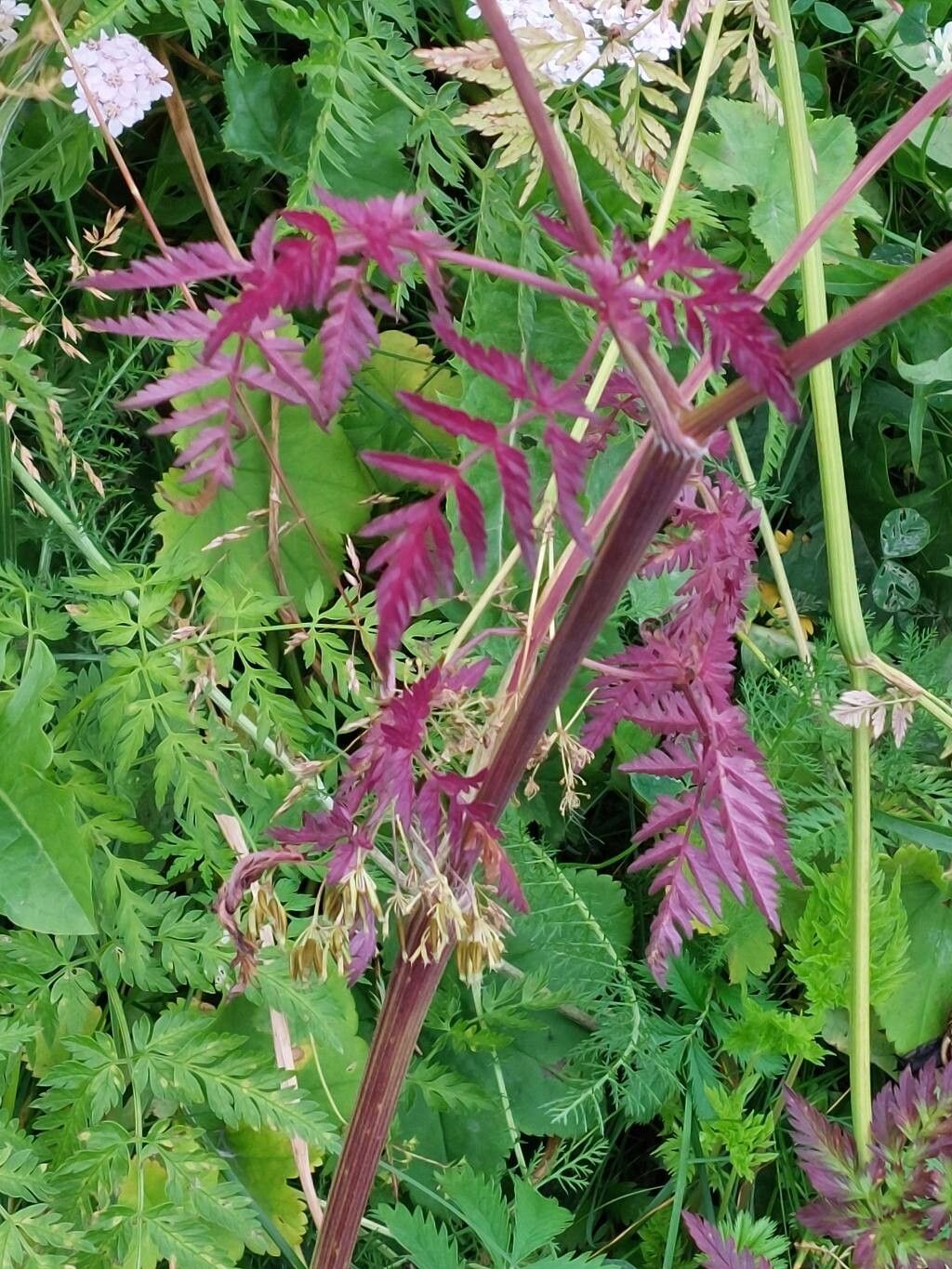
Hello fellow plant lovers! Today, we’re diving into the delightful world of Chaerophyllum hirsutum, often called hairy chervil. This airy plant, with its delicate, fern-like foliage and clusters of tiny white flowers, brings a wonderful softness to any garden. It’s the kind of plant that dances in the breeze and adds a touch of wild charm. Propagating it is a lovely way to extend its beauty and share it with friends, and I’m happy to report it’s a generally beginner-friendly endeavor!
The Best Time to Start
For the highest success rate with hairy chervil, late spring to early summer is your golden window. This is when the plant is actively growing and has loads of energy. You want to propagate from healthy, vigorous parent plants that are putting on new growth. Avoid trying to propagate from plants that look stressed or are just beginning to go over their flowering stage.
Supplies You’ll Need
Getting your supplies ready makes the whole process smoother. Here’s what I recommend having on hand:
- Sharp pruning shears or a clean knife: For taking precise cuttings.
- Potting mix: A well-draining mix is crucial. I like a blend of equal parts peat moss or coco coir and perlite or vermiculite. For seed starting, a finer seedling mix works well.
- Small pots or trays: Clean ones, of course! Yogurt cups with drainage holes poked in the bottom work in a pinch.
- Rooting hormone (optional but recommended): A powder or gel can give your cuttings a helpful boost.
- Watering can with a fine rose: To water gently without disturbing your new plants.
- Clear plastic bags or a propagation dome: To create a humid environment for cuttings.
- Labels: Essential for keeping track of what’s what!
Propagation Methods
Chaerophyllum hirsutum can be propagated in a couple of straightforward ways.
From Seed
This is perhaps the easiest method, especially if you can collect fresh seeds.
- Collect Seeds: Once the flowers have faded and the seed heads have formed and begun to dry, you can collect them. Look for seeds that have turned from green to a light brown.
- Sow Seeds: Fill your chosen pots or trays with a seedling mix. Sprinkle the seeds on the surface and lightly cover them with about a quarter-inch of the mix.
- Water Gently: Water the soil until it’s moist but not waterlogged.
- Provide Conditions: Place the pots in a bright spot, but out of direct sunlight. Keep the soil consistently moist. Germination can take anywhere from a few weeks to a couple of months. Be patient!
From Division
This method is best done in the spring as new growth emerges.
- Prepare the Parent Plant: Water your established plant well a day before you plan to divide it. This helps reduce transplant shock.
- Carefully Excavate: Gently dig up the entire plant. You want to expose the root ball.
- Separate Sections: Look for natural divisions in the root system. You can usually gently pull apart sections with your hands. If a section is particularly tough to separate, use a clean, sharp knife or spade to slice through the roots and soil. Each division should have plenty of roots and some healthy shoots.
- Replant Immediately: Pot up your divisions into their own containers filled with a good potting mix. Water them in well.
The “Secret Sauce” (Pro Tips)
Here are a few tricks I’ve picked up over the years that can really make a difference:
- For Stem Cuttings: If you decide to try stem cuttings (though division is often more successful for this particular plant), make sure your cuttings are about 4-6 inches long and remove the lower leaves. The cut end should be just below a leaf node (where a leaf attaches to the stem). Dip the cut end in rooting hormone if you’re using it.
- The Humid Tent is Key: When you plant your cuttings or divisions, place the pots in a tray and cover them loosely with a clear plastic bag or a propagation dome. This creates a humid microclimate that helps prevent the cuttings from drying out while they’re trying to root. Make sure the leaves don’t touch the plastic, as this can encourage rot.
- Bottom Heat (for seeds or cuttings): If you have a seedling mat or can place your pots on a slightly warm surface (not hot!), the gentle bottom heat can significantly speed up germination and root development for cuttings.
Aftercare & Troubleshooting
Once your new hairy chervil starts to show signs of life – new leaves, a generally perky appearance – you’re doing great!
- Acclimatize: If you used a plastic bag or dome, gradually acclimatize your new plants to normal humidity by opening the cover for longer periods each day before removing it completely.
- Watering: Water your young plants when the top inch of soil feels dry. Avoid overwatering, as this is the most common mistake and can lead to root rot. You’ll notice yellowing leaves, a mushy base, or a general wilting that doesn’t improve with watering.
- Light: Continue to provide bright, indirect light. As they get bigger, you can gradually introduce them to more direct sun, but watch for signs of scorching.
A Encouraging Closing
Propagating plants is such a wonderful way to connect with nature and expand your garden. Don’t be discouraged if every single cutting or division doesn’t make it – that’s part of the learning process! Celebrate the successes, learn from any setbacks, and most importantly, enjoy the journey of nurturing something new from scratch. Happy gardening!
Resource:
https://identify.plantnet.org/k-world-flora/species/Chaerophyllum%20hirsutum%20L./data