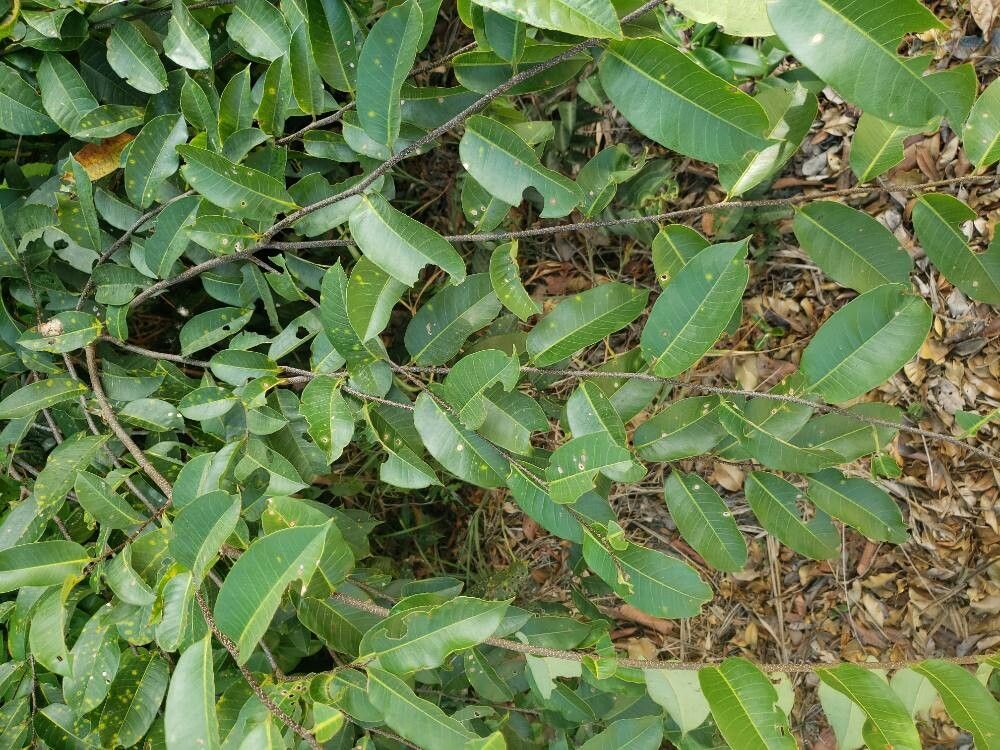
Oh, hello there, fellow plant lover! Grab yourself a cup of tea, and let’s talk about one of my absolute favorites: Lecythis lurida. This beauty, with its gorgeous foliage and those intriguing, urn-shaped fruits – the “monkey pots” – is truly something special. If you’re looking to expand your collection or share the joy of this unique tree, propagating Lecythis lurida is incredibly rewarding. Now, is it a walk in the park for a brand new gardener? To be completely honest, it leans a little more towards the intermediate side, but with a little patience and this guide, I know you can do it.
The Best Time to Start
For propagation, especially with the methods we’ll discuss, spring and early summer are your golden ticket. This is when the plant is actively growing, pushing out new shoots and buzzing with life. You’ll find these vigorous young stems are much more inclined to root. Trying to propagate when the plant is dormant will likely lead to frustration.
Supplies You’ll Need
Here’s a peek at what I always have on hand when I’m propagating:
- Sharp, clean pruning shears or a good propagation knife: Sterilize them with rubbing alcohol!
- Potting mix: A well-draining mix is crucial. I like to combine equal parts perlite and seed starting mix, or you can use a specialized cutting mix.
- Small pots or trays: Think 4-inch pots, or even larger if you’re taking substantial cuttings. Make sure they have drainage holes.
- Rooting hormone powder or gel: This isn’t strictly mandatory but it definitely gives your cuttings a helpful boost, especially for woody plants.
- Plastic bags or a propagation dome: We need to keep humidity high!
- Watering can with a fine rose: For gentle watering.
- Labels and a pen: Don’t forget to label your pots!
Propagation Methods
While Lecythis lurida can be propagated from seed (though this is a slower process with more variability), stem cuttings are generally the most straightforward and reliable method for home gardeners.
Stem Cuttings:
- Select your parent plant: Look for a healthy, vigorous Lecythis lurida that is actively growing. You want to choose stems that are neither too soft and new nor old and woody. A good sign is a semi-hardwood stem – it will have a bit of flexibility but won’t bend easily.
- Take your cuttings: Using your sterilized shears, cut a stem that is about 4-6 inches long. Make the cut just below a leaf node (where the leaves attach to the stem). Remove the lower leaves, leaving just a couple of leaves at the top. If the remaining leaves are very large, you can cut them in half horizontally to reduce water loss.
- Apply rooting hormone: Dip the cut end of the stem into your rooting hormone, tapping off any excess.
- Plant your cuttings: Make a hole in your prepared potting mix with a pencil or your finger. Gently insert the cutting into the hole, ensuring the cut end is nestled in the soil. Firm the soil gently around the stem.
- Provide humidity: Water gently. Then, you can cover the pot with a clear plastic bag (make sure the leaves aren’t touching the plastic!) or place it under a propagation dome. This creates a humid environment that encourages rooting.
- Find a bright spot: Place the pots in a location that receives bright, indirect light. Avoid direct sun, as this can scorch the leaves and dry out the cuttings too quickly.
The “Secret Sauce” (Pro Tips)
- Bottom Heat is Your Friend: For woody cuttings like these, a little warmth from below can make all the difference. A heating mat specifically designed for propagation will significantly speed up root development. It mimics the warmth of spring soil.
- Don’t Be Afraid to Mist: Even with a plastic bag or dome, the humidity can drop. Give your cuttings a light misting of water every few days if the air feels dry or if condensation seems to be disappearing from the plastic.
- Observe the Leaves for Clues: Healthy cuttings will usually remain turgid and show signs of new growth. If the leaves start to look dull and droopy, it’s a sign they’re not getting enough moisture (or too much!). If they turn yellow and mushy, that’s usually rot setting in.
Aftercare & Troubleshooting
Once you start to see new growth or feel a gentle resistance when you tug on the cutting, it’s a good sign that roots have formed. This can take anywhere from 4-8 weeks, sometimes longer, so patience is key!
Once roots are established, slowly acclimate your new plant to slightly less humid conditions by gradually opening the plastic bag or propagation dome over a few days. Continue to keep the soil evenly moist but not waterlogged.
Now, what if things don’t go as planned?
- Rot: This is the most common culprit. It usually happens from overwatering or poor drainage. If you see mushy, darkened stems or leaves, it’s likely rot. You may need to discard the affected cuttings. Ensure your soil is well-draining and your pots have holes! Sometimes, treating with a fungicide can help, but prevention is always best.
- No Rooting: This can happen if the cuttings are too old, too young, taken at the wrong time, or if the conditions aren’t right. Don’t get discouraged! Just try again with fresh cuttings when conditions are optimal.
Happy Rooting!
Propagating Lecythis lurida is a journey, and like any good garden endeavor, it requires a bit of observation and a lot of patience. Don’t be disheartened if your first attempts aren’t perfect. Each cutting you take is a learning experience. Enjoy the process of nurturing these little plant babies – there’s nothing quite like watching a new life emerge from a simple stem. Happy propagating!
Resource:
https://identify.plantnet.org/k-world-flora/species/Lecythis%20lurida%20(Miers)%20S.A.Mori/data