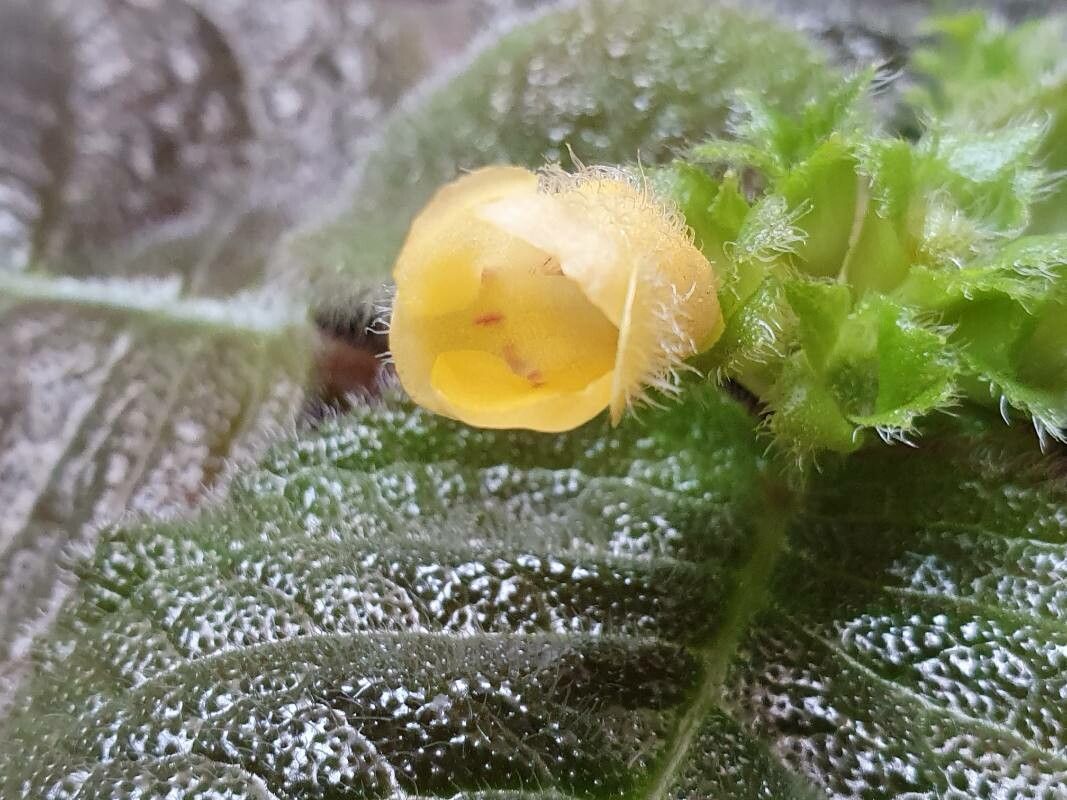
Greetings, fellow plant enthusiasts! I’m thrilled to share my secrets for multiplying one of my absolute favorite specimens: Christopheria xantha. If you’ve ever marveled at its vibrant foliage and wondered how to bring that sunshine into more corners of your garden or home, you’re in the right place. Propagating this beauty is such a rewarding endeavor, and while it requires a tad of patience, it’s certainly achievable for anyone with a desire to grow!
The Best Time to Start
For Christopheria xantha, the sweet spot for propagation is generally during its active growing season. Think late spring through early summer. This is when the plant has plenty of energy to dedicate to developing new roots. Trying to propagate when the plant is dormant or stressed won’t yield the best results, so timing is key!
Supplies You’ll Need
Gathering your supplies before you begin makes the whole process smoother. Here’s what I usually have on hand:
- Sharp, clean pruning shears or a sharp knife: For making clean cuts.
- Rooting hormone powder or gel: This is your secret weapon for encouraging faster root development.
- Well-draining potting mix: A good starting point is a blend of perlite, compost, and a bit of peat moss. I often use a mix formulated for succulents or cacti, as Christopheria xantha appreciates excellent drainage.
- Small pots or seed trays: For your new cuttings. Make sure they have drainage holes!
- Watering can or spray bottle: For gentle watering.
- Optional: A clear plastic bag or propagation dome: To create a humid environment.
- Optional: Heating mat: This can significantly speed up rooting, especially in cooler conditions.
Propagation Methods
There are a couple of ways to get more Christopheria xantha from your existing plant. I’ve found stem cuttings to be the most reliable and straightforward.
Stem Cuttings
This is my go-to method.
- Select a healthy stem: Look for a firm, new shoot that’s at least 4-6 inches long. Avoid old, woody growth.
- Make a clean cut: Using your sharp, clean shears or knife, make a cut just below a leaf node (where the leaves attach to the stem).
- Remove lower leaves: Gently strip off the leaves from the bottom 2-3 inches of the cutting. This prevents them from rotting in the soil and exposes the nodes where roots will emerge.
- Apply rooting hormone: Dip the cut end of the stem into your rooting hormone powder or gel. Tap off any excess.
- Plant the cutting: Fill your small pots with your well-draining potting mix. Make a small hole with your finger or a pencil and insert the cutting. Gently firm the soil around the base of the stem.
- Water gently: Water the soil lightly. You don’t want to saturate it, just make it evenly moist.
Water Propagation (with a caveat!)
While Christopheria xantha can root in water, I tend to be cautious with this method. The roots that form in water can be quite fragile and may struggle to adapt to soil. If you choose this:
- Prepare your cutting as described above (cut below a node, remove lower leaves).
- Place the cutting in a clean glass or jar filled with room-temperature water.
- Crucially, ensure the leaves DO NOT touch the water. Submerged leaves will rot quickly.
- Change the water every few days to keep it fresh.
- Once you see a good network of roots developing (usually a few weeks), you’ll need to carefully transplant them into soil. This is the trickiest part, as they can be shock-prone.
The “Secret Sauce” (Pro Tips)
After years of trial and error, I’ve picked up a few tricks that really boost success rates.
- Let your cuttings “callus over”: Before dipping in rooting hormone and planting, let the cut end of your stem cutting sit out in a dry, airy spot for a day or two. This allows the wound to dry and form a protective callus, which can actually reduce the risk of rot.
- Introduce bottom heat: If you have a heating mat, placing your pots on it can make a world of difference. Warm soil encourages roots to form much more rapidly than cool soil. You’ll often see roots developing twice as fast.
- Don’t overwater, ever: This is the cardinal sin of propagation for many plants, and Christopheria xantha is no exception. Slightly dry is always better than too wet when you’re waiting for roots.
Aftercare & Troubleshooting
Once your cuttings have roots – you’ll usually feel a gentle tug when you try to move them slightly – it’s time to transition them to a slightly larger pot if you started them in small ones. Continue to keep the soil lightly moist but never soggy.
The most common issue you’ll encounter is rot. If you see your stem cutting turning black or mushy, it’s a sign of too much moisture or infection. Unfortunately, the affected cutting is likely lost, but don’t despair! Just remove it carefully and try again, perhaps with slightly less water or ensuring better air circulation. Yellowing leaves can sometimes indicate a lack of light, while wilting might suggest the cutting hasn’t rooted yet and is using up its stored energy.
A Encouraging Closing
Propagating plants is a dance between you and nature, and it’s a beautiful one. Be patient with your Christopheria xantha cuttings. Not every attempt will be a roaring success, and that’s perfectly okay. Each new plant you coax into existence is a little victory, and the joy of watching them grow from a small cutting into a thriving specimen is truly unparalleled. So, grab your shears, get your hands in the soil, and enjoy the process! Happy growing!
Resource: