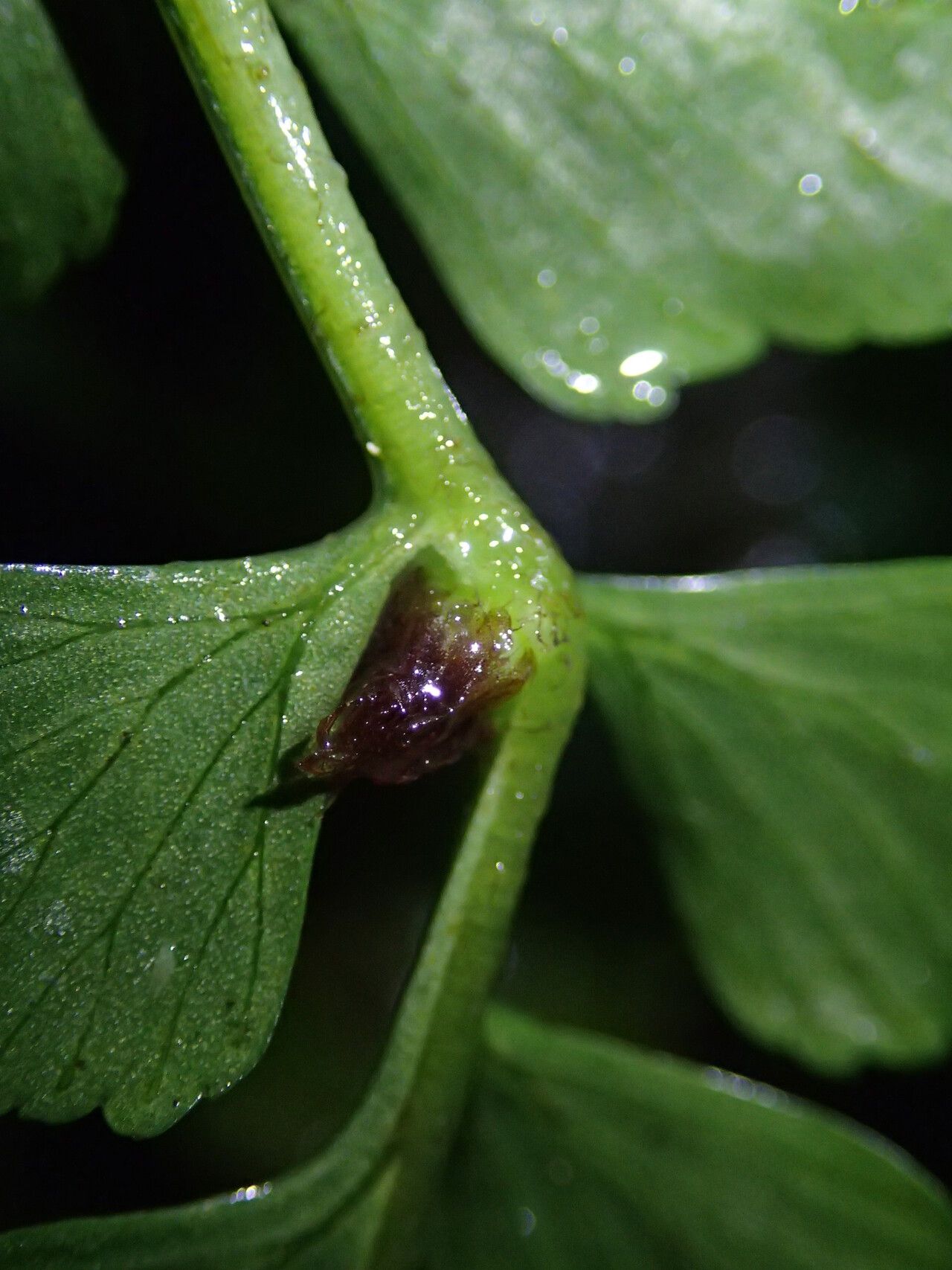
Oh, Asplenium elliottii! What a beauty. If you’re drawn to the elegant, lacy fronds of this fern, you’re in for a treat. Growing it just adds a touch of wild, natural beauty to any shady corner. And the best part? Bringing more of these charmers into your life through propagation is incredibly satisfying. You get to watch life unfurl from a tiny piece, and it’s a gift that keeps on giving. Now, for beginners, Asplenium elliottii can be a little bit of a diva. It’s not as straightforward as some of the more common houseplants, but with a bit of care and the right approach, you’ll be successful. Don’t let that deter you; think of it as a lovely challenge!
The Best Time to Start
When it comes to getting your Asplenium elliottii cuttings off to a good start, spring is really your best bet. Think of it as the plant’s enthusiastic awakening after a winter’s rest. Growth is active then, and the warmth and longer days really encourage root development. This means your cuttings will have a much better chance of establishing themselves quickly. Generally, you want to propagate when the plant is actively growing, rather than when it’s dormant or stressed.
Supplies You’ll Need
Before we dive in, let’s gather our essentials. Having everything ready makes the process so much smoother.
- Sharp, clean pruning shears or a knife: For making those crucial, clean cuts. We don’t want any ragged edges.
- Well-draining potting mix: A good base for ferns often includes peat moss or coco coir, perlite or coarse sand, and a bit of compost. You want something that holds moisture but doesn’t get waterlogged.
- Small pots or propagation trays: Clean ones are a must!
- Clear plastic bags or a propagation dome: To create a humid mini-environment.
- Watering can with a fine rose: For gentle watering.
- Optional: Rooting hormone: While not always strictly necessary for ferns, it can give a little boost. I tend to skip it unless I’m dealing with a particularly stubborn cutting.
- Optional: Bottom heat mat: This can be a game-changer, especially if your propagation area is a bit cooler.
Propagation Methods
Asplenium elliottii is generally propagated through division, which is my favorite and often the most successful method.
Method 1: Division (The Most Rewarding Way!)
This is essentially splitting a mature plant into smaller, independent plants. It’s best done when the plant is actively growing, like in spring.
- Gently remove the fern from its pot. Turn it on its side and gently ease the pot away. If it’s stuck, a few taps around the rim usually does the trick.
- Identify natural divisions. Look for where the rhizome (the creeping stem at the base) naturally splits into separate crowns. You’ll often see distinct tufts of fronds originating from different points.
- Carefully separate the divisions. Using your clean hands, or a sterile knife or trowel if it’s a bit tough, gently pull or cut the rhizome to separate the new plantlets. Each division should have its own healthy roots and at least a few fronds.
- Pot up your new plants. Plant each division in its own small pot filled with your prepared potting mix. Make sure the rhizome is covered, but don’t bury the crown of the fronds too deeply.
- Water gently. Water thoroughly but gently until you see water drain from the bottom of the pot.
- Create a humid environment. Cover the pot with a clear plastic bag or propagation dome to keep the humidity high. Make sure the fronds don’t get completely squashed by the plastic – you can use stakes to prop it up.
- Place in indirect light. Find a spot with bright, indirect light. Avoid direct sun, which can scorch the delicate new growth.
The “Secret Sauce” (Pro Tips)
Here are a couple of things I’ve learned over the years that make a world of difference:
- Don’t let the fronds touch the water if you’re attempting propagation from spores (though division is much easier!). If you’re doing something like trying to root a piece in water (which isn’t ideal for Asplenium elliottii as they prefer soil), waterlogged fronds can lead to rot. Keep them elevated. For division, this isn’t an issue.
- Bottom heat is your friend! If you’re struggling to get roots to form quickly, a gentle bottom heat mat can really speed things up. It mimics the warmth of the soil surface in nature and encourages those roots to emerge. Just make sure it’s not too hot – you don’t want to cook your little fern babies!
Aftercare & Troubleshooting
Once your divisions are potted up, treat them gently. Keep them consistently moist, but never soggy. The high humidity you created initially is crucial for the first few weeks as they establish. You can gradually lower the humidity by propping open the plastic bag a little more each day over a week or two.
The biggest pitfalls? Overwatering leading to root rot is the number one culprit. You’ll see the fronds turn yellow and mushy. Another sign of trouble is if the fronds start to wilt and brown, which could mean it’s too dry or getting too much direct light. If you see signs of rot, you might need to gently remove the affected parts and allow the soil to dry out a bit more before watering again. Patience is key here; don’t be discouraged if one doesn’t make it.
And there you have it! Propagating Asplenium elliottii is a journey of observation and gentle care. It might take a little time for your new ferns to show significant growth, but trust the process. Enjoy watching these beautiful plants multiply in your home. Happy propagating!
Resource:
https://identify.plantnet.org/k-world-flora/species/Asplenium%20elliottii%20C.H.Wright/data