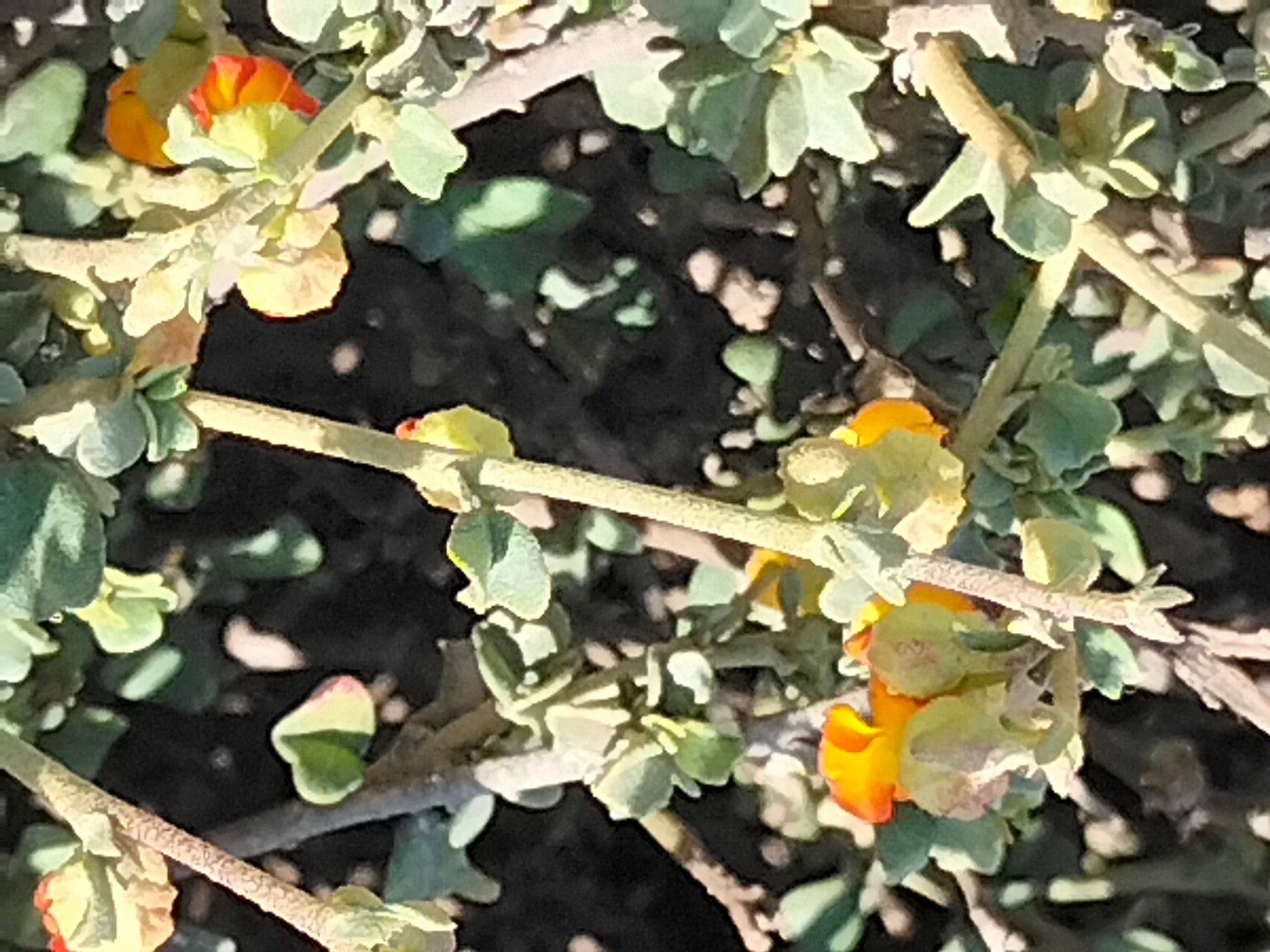
Oh, Hermannia cuneifolia! If you’ve ever seen this little gem with its delicate, bell-shaped flowers and felt a pang of desire to have more of them gracing your garden or windowsill, you’re in the right place. This plant, often called “Happy Wanderer” for its cheerful disposition and pleasing habit, is a joy to grow. And the even better news? It’s surprisingly rewarding to propagate. While you might find some plants a bit daunting to multiply, Hermannia cuneifolia is quite forgiving, making it a great choice for even those new to the world of cuttings and seeds.
The Best Time to Start
For the absolute best chance of success, I always recommend propagating Hermannia cuneifolia in late spring or early summer. This is when the plant is actively growing, and its stems are lively and full of vigor. You’re essentially tapping into its peak energy for root development. Avoid trying to take cuttings when the plant is stressed, perhaps from extreme heat or a cold snap.
Supplies You’ll Need
Before you dive in, gather your tools. Having everything ready makes the process so much smoother.
- Sharp pruning shears or a clean, sharp knife: For making clean cuts.
- Potting mix: A good quality, well-draining potting mix is crucial. I often use a blend of equal parts peat moss and perlite, or a specialized seedling mix.
- Small pots or seed trays: Choose containers with drainage holes.
- Rooting hormone (optional but recommended): This isn’t strictly necessary for Hermannia cuneifolia, but it can give your cuttings a good boost.
- Watering can with a fine rose or a spray bottle: To water gently.
- Plastic bags or a propagation dome: To create a humid environment.
Propagation Methods
Hermannia cuneifolia is wonderfully amenable to stem cuttings. It’s straightforward and yields excellent results.
- Select Your Cuttings: Look for healthy, semi-hardwood stems on your parent plant. These are stems that are not brand new and floppy, nor are they old and woody. They should snap cleanly when bent. Aim for cuttings about 4-6 inches long.
- Make the Cut: Using your sharp pruners or knife, make a clean cut just below a leaf node. A leaf node is where a leaf attaches to the stem; this is where roots are most likely to form.
- Prepare the Cutting: Remove the lower leaves from the cutting, leaving just a few at the very top. You can even pinch off the very tip if it looks a bit wispy.
- Apply Rooting Hormone (Optional): If you’re using rooting hormone, dip the cut end of the stem into the powder, tapping off any excess.
- Plant the Cutting: Fill your small pots or trays with the pre-moistened potting mix. Make a small hole in the center with your finger or a pencil.
- Insert the Cutting: Gently place the cut end of the Hermannia cuneifolia stem into the hole, ensuring at least one leaf node is buried in the soil. Firm the soil gently around the base of the cutting to support it.
- Create Humidity: Water the soil lightly until it’s evenly moist but not waterlogged. Then, cover the pot with a clear plastic bag (making sure it doesn’t touch the leaves) or place it inside a propagation dome. This creates a mini-greenhouse effect, keeping the humidity high.
- Place in Bright, Indirect Light: Find a warm spot with bright, indirect light. Avoid direct sunlight, which can scorch the delicate cuttings.
The “Secret Sauce” (Pro Tips)
Here are a few little tricks that have helped me over the years.
- Don’t Let Leaves Touch the Water in the Pot: When you water your cuttings, make sure no leaves are sitting directly in any water that may accumulate at the bottom of the pot. This can lead to rot before roots even have a chance to form.
- Bottom Heat is Your Friend: If you have a heat mat designed for seedlings, placing your pots on top of it can significantly speed up root development. Hermannia cuneifolia loves a bit of warmth from below.
- Be Patient with the Leaves: If the leaves on your cutting start to droop a bit, don’t panic! This is normal as the cutting works to establish itself. As long as the stem isn’t mushy, give it time. Uncovering the cutting for a short period each day can also help prevent fungal issues.
Aftercare & Troubleshooting
Once you start to see new leaf growth or feel a gentle tug when you lightly pull on the cutting, you know roots have formed! This usually takes anywhere from 3 to 6 weeks, depending on conditions.
- Gradually Acclimate: Once rooted, you’ll want to slowly acclimate your new plant to normal conditions. Start by opening the plastic bag or ventilation on your dome for increasing periods each day.
- Watering: Water whenever the top inch of soil feels dry. Ensure good drainage to prevent soggy roots.
- Transplant: When the little plant is big enough to handle, you can transplant it into its own slightly larger pot.
The most common issue you might encounter is rot. If your cutting turns black and mushy at the base, it’s likely rotted. This usually happens from too much moisture and not enough air circulation. If this happens, discard the cutting and start again, paying closer attention to watering and humidity levels.
A Encouraging Closing
Growing more of these lovely Hermannia cuneifolia is a deeply satisfying endeavor. Don’t get discouraged if your first attempt isn’t perfect. Gardening is a journey of learning and discovery for all of us. Just keep trying, observe your plants, and enjoy the magic of creating new life. Happy propagating!
Resource:
https://identify.plantnet.org/k-world-flora/species/Hermannia%20cuneifolia%20Jacq./data