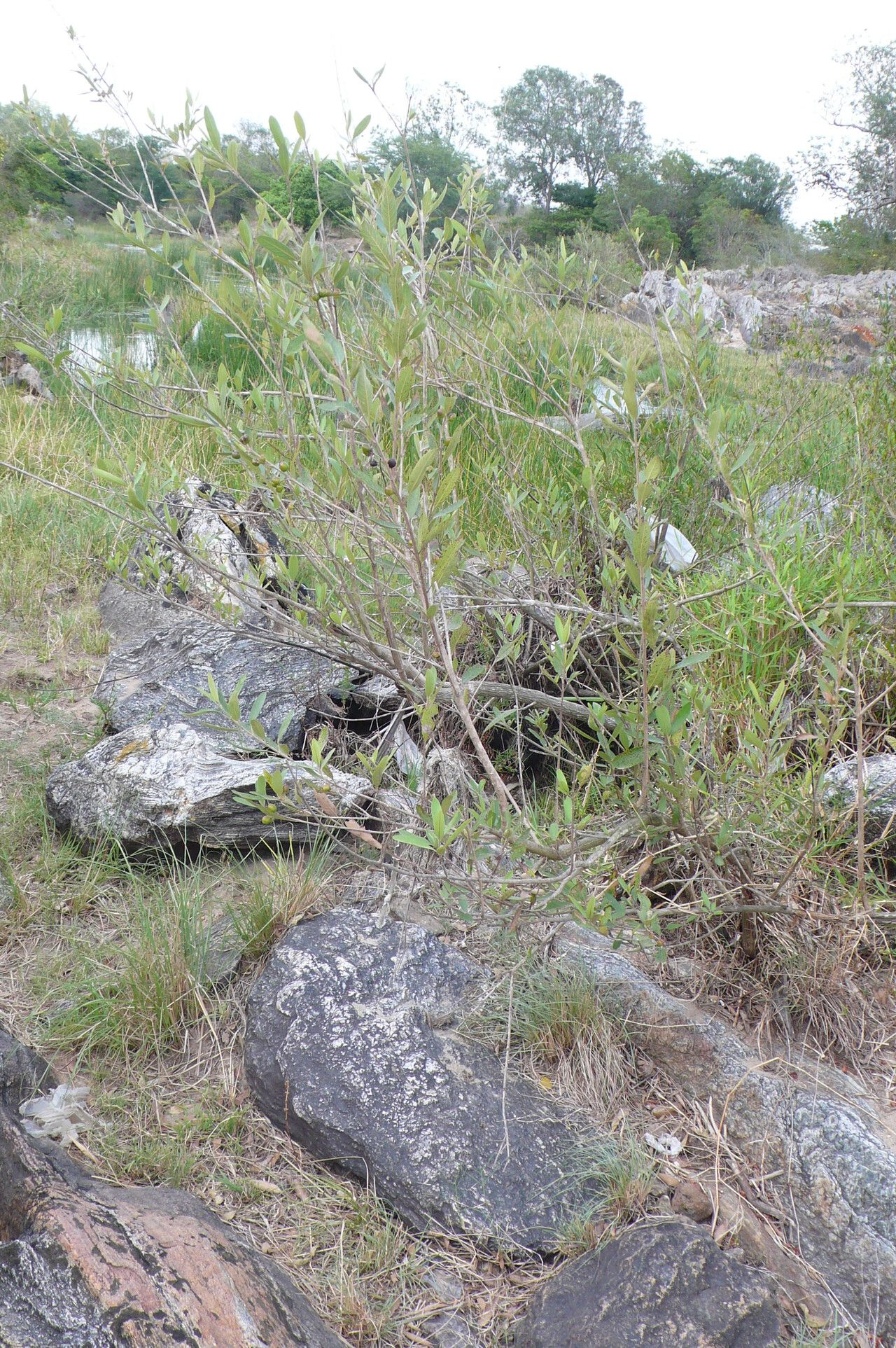
Oh, hello there! Come on in, pull up a chair. I’ve got a fresh pot of coffee brewing. Today, we’re diving into the delightful world of Vitex gardneriana, often called the “Brazilian Chastetree.” If you haven’t met this beauty yet, let me tell you, it’s a real treasure. Its delicate, lavender-blue flower spikes are a magnet for bees and butterflies, and they bloom for ages, usually through most of the summer and into fall. Plus, the way it gracefully cascades its branches… just lovely.
Now, you might be wondering about propagating it. Is it a beast, or a breeze? I’d say Vitex gardneriana is generally a pretty good plant for beginners to try their hand at propagation. It’s not one of those finicky divas that demands perfection. In fact, getting more of these stunners for your garden, or to share with friends, is incredibly rewarding. It’s that feeling of nurturing life, of coaxing a brand new plant from a piece of an old one. Pure magic!
The Best Time to Start
My favorite time to get going with Vitex gardneriana is when the plant is in active growth, usually in the late spring or early summer. Think about when things are really pushing upwards and outwards. This is when the stems have enough energy and sap flowing to really get things moving. You want to take cuttings from wood that’s not too soft and green, but not old and woody either. Aim for what we call “semi-hardwood” – it should be firm enough that it doesn’t easily snap, but flexible enough to bend slightly.
Supplies You’ll Need
Gathering your supplies first makes the whole process so much smoother. Here’s what I usually have on hand:
- Sharp Pruning Shears or a Clean Knife: Essential for making clean cuts, which helps prevent disease.
- Rooting Hormone: This is a powdered or gel product that encourages root development. I find it really boosts success rates.
- Potting Mix: A well-draining mix is key. I often use a blend of peat moss and perlite or a seedling and cutting mix. Avoid heavy garden soil.
- Small Pots or Trays: Whatever you plan to root your cuttings in. Make sure they have drainage holes!
- Clear Plastic Bags or a Propagator: To create a humid environment for your cuttings.
- Watering Can with a Fine Rose: For gentle watering.
- Labels and a Marker: To keep track of what you’ve planted and when.
Propagation Methods
For Vitex gardneriana, I find stem cuttings to be the most reliable and straightforward method. Let’s walk through it.
-
Taking the Cuttings: With your sharp shears, select a healthy, non-flowering stem from your established plant. Cut a piece that’s about 4-6 inches long. Make the cut just below a leaf node (that little bump where a leaf attaches to the stem). This is where the magic happens for rooting.
-
Preparing the Cuttings: Gently remove the leaves from the bottom half to two-thirds of the cutting. You only want to leave a few leaves at the very top. This helps prevent them from rotting in the soil and reduces moisture loss. If the remaining leaves are very large, I’ll often cut them in half horizontally.
-
Applying Rooting Hormone: Dip the cut end of the stem into your rooting hormone, tapping off any excess. This stuff is potent, so you don’t need a thick coating.
-
Planting the Cuttings: Fill your pots or trays with your prepared potting mix. Make a small hole in the center of the soil with your finger or a pencil – this prevents the rooting hormone from rubbing off when you insert the cutting. Place the prepared cutting into the hole and gently firm the soil around it. You can usually fit several cuttings into one pot, spacing them a few inches apart.
-
Creating Humidity: Water the soil gently until it’s moist but not soggy. Then, cover the pots or tray with a clear plastic bag or place them inside a propagator. This traps moisture and creates that crucial humid environment your cuttings need to survive before they develop roots.
The “Secret Sauce” (Pro Tips)
After years of messing around with plants, I’ve picked up a few tricks that really make a difference:
- Bottom Heat is Your Friend: If you can, place your pots on a heated propagation mat. This gentle warmth from below, combined with the humidity from above, really encourages those roots to take off. It’s like a little spa treatment for your cuttings!
- Don’t Disturb Too Soon: Resist the urge to yank on your cuttings to check for roots! You’ll just damage them. The best way to tell is when you see new leaf growth appearing. That’s a sure sign they’ve established themselves.
- Cleanliness is Next to Goodness: Always use clean tools and clean pots. Fungus and bacteria are the enemies of happy cuttings. A quick wipe-down with rubbing alcohol for your shears goes a long way.
Aftercare & Troubleshooting
Once you see that lovely new growth, congratulations! You’ve successfully rooted your Vitex gardneriana cuttings. Now, it’s time for some gentle care.
Continue to keep the soil consistently moist, but never waterlogged. As the plant grows stronger, you can gradually acclimate it to open air by poking a few holes in the plastic bag or opening the propagator vents a little each day over a week or so. Once they’re ready, you can transplant them into their own individual pots.
The most common issue you might encounter is rot. If a cutting turns mushy, black, or just wilts dramatically and doesn’t perk up, it’s likely rotted. This is usually due to too much moisture and not enough air circulation. If you see any signs of rot, it’s best to discard that cutting and check your watering and humidity levels for the others. Sometimes, if you catch it early, you might be able to salvage a portion of the cutting.
Happy Planting!
See? It’s not so daunting, is it? Propagating Vitex gardneriana is a wonderful way to increase your collection and share the joy of gardening. Be patient with your little cuttings – they’re working hard to grow! Enjoy the process, learn from each attempt, and soon you’ll have a fragrant garden filled with these beautiful blooms. Happy growing, my friends!
Resource:
https://identify.plantnet.org/k-world-flora/species/Vitex%20gardneriana%20Schauer/data