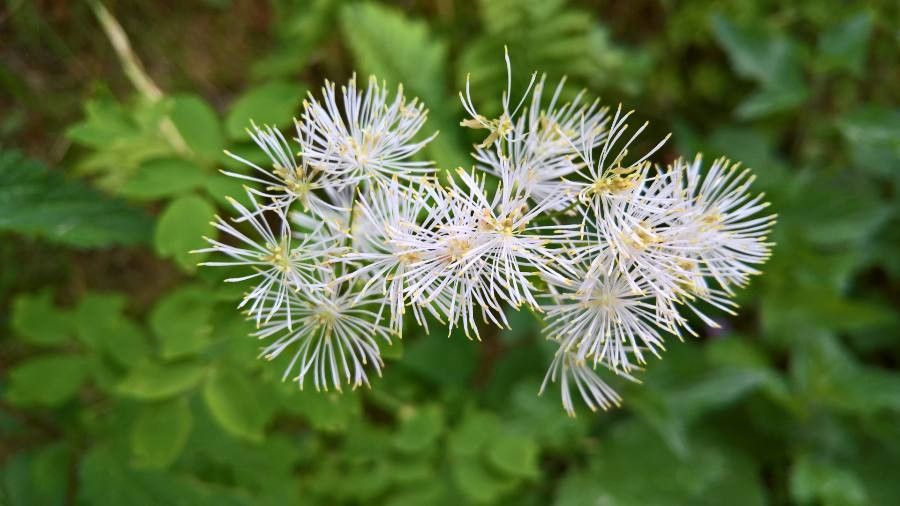
Oh, Thalictrum aquilegiifolium! You know, I’ve always had a soft spot for these graceful beauties. Often called “Columbine Meadow Rue,” they bring such airy charm to the garden with their delicate, puffball-like blooms in shades of lavender, pink, and white. But what truly makes them special is that subtle elegance, that feeling of wild beauty tamed just enough for our borders.
I find propagating them incredibly rewarding. It’s like making a little bit of magic yourself, multiplying the beauty you already love. And for those of you just dipping your toes into the gardening pool? Thalictrum aquilegiifolium is moderately easy to propagate. It’s not the plant that will immediately give you a thousand babies with zero effort, but with a little patience and these tips, you’ll be well on your way to success.
The Best Time to Start
For Thalictrum aquilegiifolium, I find the early to mid-spring is your sweet spot. Think April or early May, just as the plants are really starting to wake up and send out new growth. You want those tender, new shoots that haven’t gotten too tough and woody yet. Alternatively, if you’re dividing established clumps, late summer to early fall is also a great time, giving the divisions a chance to settle in before winter.
Supplies You’ll Need
Gathering your tools beforehand makes the whole process smoother. Here’s what I usually have on hand:
- Sharp Pruning Shears or a Clean Knife: For taking clean cuts.
- Small Pots or Seed Starting Trays: With drainage holes, of course!
- Well-Draining Potting Mix: A good quality seed starting mix is excellent, or a blend of equal parts peat moss, perlite, and compost.
- Rooting Hormone (Optional but Recommended): A powder or gel can significantly boost your success rate.
- Watering Can with a Fine Rose: For gentle watering.
- Plastic Bags or a Propagation Dome: To create a humid environment.
- Labels and a Pen: So you don’t forget what you planted where!
- Trowel or Dibber: For making holes for cuttings.
Propagation Methods
Thalictrum aquilegiifolium is best propagated through division and stem cuttings.
Method 1: Division (The Easiest Route)
This is hands-down the most reliable way to increase your Thalictrum population.
- Dig Up the Clump: In spring or fall, carefully dig up the entire plant. Slide a spade around the outer edge of the root ball and gently lift the plant from the ground.
- Loosen the Soil: Gently shake off some of the excess soil. You should be able to see where the plant naturally wants to divide.
- Separate the Divisions: You can usually pull apart the root ball with your hands. If it’s stubborn, use your clean knife or spade to cut through the roots, ensuring each division has healthy roots and at least one or two shoots.
- Replant Immediately: Pot up your divisions in your prepared potting mix or replant them directly into your garden. Water them in well.
Method 2: Stem Cuttings (A Little More Patience Required)
This method works best in spring when the new growth is supple.
- Take Cuttings: Select healthy, non-flowering shoots that are about 4-6 inches long. Make a clean cut just below a leaf node (where a leaf attaches to the stem).
- Prepare the Cuttings: Gently remove the lower leaves, leaving just two or three at the top. You can then dip the cut end into rooting hormone, tapping off any excess.
- Insert into Medium: Make a hole in your pre-moistened potting mix with a dibber or pencil. Insert the cutting into the hole, firming the soil gently around it.
- Create Humidity: Water gently and then cover the pot with a plastic bag or place it under a propagation dome. This traps moisture.
- Provide Light and Warmth: Place the pots in a bright spot but out of direct sunlight. Some gentle bottom heat can really speed things up, but it’s not strictly necessary.
The “Secret Sauce” (Pro Tips)
Here are a couple of things I’ve learned over the years that often make a difference:
- Keep it Moist, Not Soggy: This is critical for cuttings. You want the potting mix to feel like a wrung-out sponge. Too much water and your cuttings will rot before they can root.
- Don’t Rush the Pull Test: When you think your cuttings might have roots, resist the urge to yank them out! Instead, give them a gentle tug. If there’s definite resistance, congrats, you’ve got roots! If it comes out easily, it hasn’t rooted yet.
Aftercare & Troubleshooting
Once your divisions or cuttings show signs of new growth (a good indicator that roots are forming!), it’s time for a little more care.
Gradually acclimate your rooted cuttings to less humid conditions by opening the plastic bag or propagation dome for progressively longer periods over a week. Continue to keep the soil consistently moist. Water thoroughly when the top inch of soil feels dry.
The most common issue you’ll encounter is rot. If your cutting turns black and mushy, or a division wilts despite being watered, it’s likely rot. This usually stems from overwatering or poor drainage. Unfortunately, a rotted cutting is usually a goner. For divisions, a little wilting is sometimes normal as they adjust; check the roots to be sure they aren’t mushy.
A Encouraging Closing
Propagating your Thalictrum is a journey of patience and observation. Don’t get disheartened if every attempt isn’t a runaway success. Each time you try, you learn something new. So, enjoy the process of nurturing these little plants, and soon you’ll have even more of that lovely meadow rue to share or plant throughout your garden. Happy propagating!
Resource:
https://identify.plantnet.org/k-world-flora/species/Thalictrum%20aquilegiifolium%20L./data