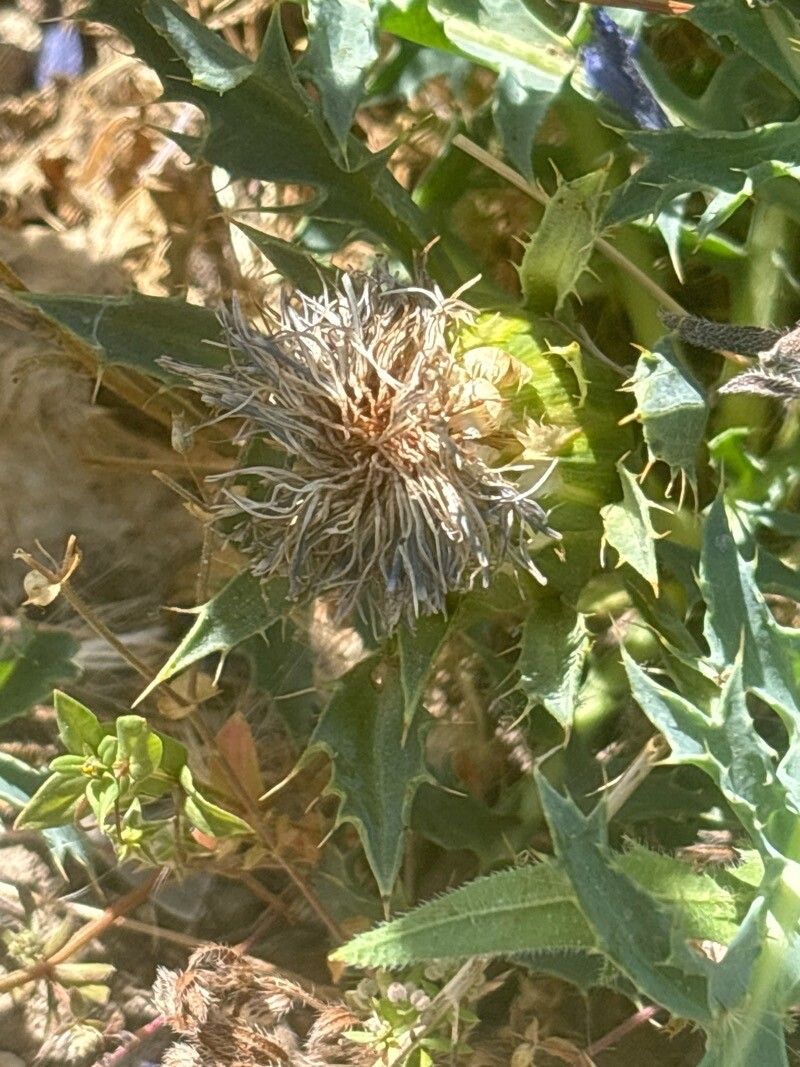
Hello, garden friends! It’s wonderful to have you here. Today, we’re going to dive into the delightful world of Carthamus matritensis, or as many of us know it, Spanish Safflower. This beauty, with its intricate, papery blooms in shades of fiery orange and deep crimson, is a fantastic addition to any sunny border. It brings a whimsical, wild charm that just makes me smile every time I see it.
Propagating Carthamus matritensis is a truly rewarding endeavor. There’s a special kind of magic in taking a tiny piece of a beloved plant and coaxing it into a whole new life. For those of you just starting out in the propagation game, I’m happy to report that this one is fairly straightforward. With a little patience and a few helpful tips, you’ll be well on your way to creating your own little army of Spanish Safflowers.
The Best Time to Start
For the highest success rate with Carthamus matritensis, you’ll want to focus your efforts during its active growing season. This generally means late spring or early summer, after the threat of frost has passed and the plant is really putting on a growth spurt. This is when the stems are vigorous and have plenty of energy to put into rooting.
Supplies You’ll Need
Gathering your supplies beforehand makes the whole process smoother. Here’s what I’ve found essential:
- Sterilized Pruning Shears or a Sharp Knife: Cleanliness is key to preventing disease.
- Seed Starting Mix or a Well-Draining Potting Mix: I prefer a blend of peat moss, perlite, and a bit of coarse sand.
- Small Pots or Trays: Ensure they have drainage holes.
- Rooting Hormone (Optional, but Recommended): Especially if you’re new to this. It gives cuttings a helpful boost.
- Clear Plastic Bags or Domes: To create a humid environment for your cuttings.
- Watering Can with a Fine Rose: For gentle watering.
- Labels and a Pen: To keep track of what you’ve planted and when.
Propagation Methods
While Carthamus matritensis can be grown from seed, I find stem cuttings to be a very effective and rewarding method. It allows you to replicate a parent plant’s desirable traits.
-
Taking the Cuttings: Select healthy, non-flowering stems that are about 4-6 inches long. Using your sterilized shears, make a clean cut just below a leaf node (where a leaf attaches to the stem). Remove the lower leaves, leaving just a few at the top. This prevents them from rotting in the soil.
-
Preparing the Cuttings: Dip the cut end of each stem into rooting hormone, if you’re using it. Tap off any excess.
-
Planting the Cuttings: Fill your small pots with your prepared well-draining mix. Make a small hole in the center of the soil with your finger or a pencil. Gently insert the cut end of the stem into the hole, ensuring the leaf nodes are covered by soil. Firm the soil gently around the stem.
-
Creating Humidity: Water the soil lightly until it’s moist but not soggy. To maintain humidity, cover the pots with a clear plastic bag (propped up with stakes so it doesn’t touch the leaves) or a plastic dome.
-
Placement: Place your pots in a bright, indirect light location. Avoid direct sun, which can scorch the delicate cuttings.
The “Secret Sauce” (Pro Tips)
Now, for a couple of little tricks that I’ve learned over the years that can really make a difference:
- Bottom Heat is Your Friend: While not strictly necessary, placing your pots on a gentle heat mat can significantly speed up the rooting process. The warmth encourages root development from below. Just ensure it’s set to a low temperature, around 70-75°F (21-24°C).
- Don’t Overwater! This is probably the most common pitfall. The soil should remain consistently moist, but never waterlogged. Overwatering is the fast track to rot. I often find it best to water thoroughly when first planting, then allow the surface to just begin to dry out before watering again. Checking with your finger is always the best method.
Aftercare & Troubleshooting
Once you start seeing new leaf growth, that’s a good sign that roots are forming! Resist the urge to tug on the cutting to check for roots; you’ll damage them. When the plant seems established and you’re seeing healthy new growth, you can gradually acclimate it to lower humidity by opening the plastic bag a little more each day before removing it entirely.
The most common signs of failure are wilting and rotting. If a cutting turns yellow and wilts, it could be a sign of too much direct sun or not enough moisture. If it turns brown and mushy, especially at the base, that’s almost always rot, usually due to overwatering or poor air circulation. If you see rot, it’s best to discard the affected cutting to prevent it from spreading to others.
A Gentle Encouragement
Remember, gardening is a journey, and propagation is a wonderful part of that. Be patient with your Carthamus matritensis cuttings. Some will take sooner than others, and not every cutting will be successful – and that’s perfectly okay! Each attempt is a learning experience. Enjoy the process of watching these little bits of life take hold and grow. Happy propagating!
Resource:
https://identify.plantnet.org/k-world-flora/species/Carthamus%20matritensis%20(Pau)%20Greuter/data