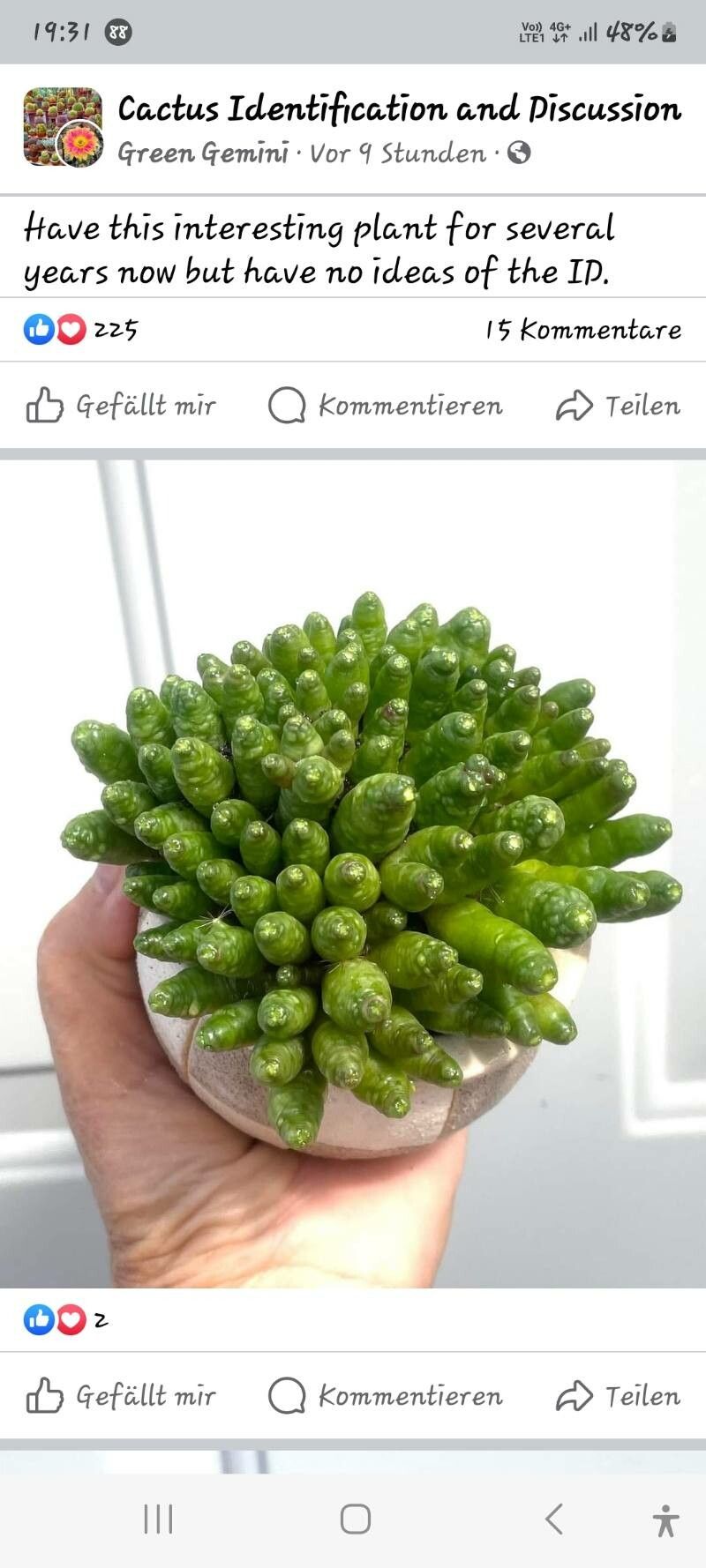
Hello there, fellow garden enthusiasts! I’m so excited to talk to you today about a truly unique and rewarding plant: Salicornia obscura, also known as slender glasswort or sea asparagus. This coastal native, with its crisp, salty shoots, is not only a culinary delight but a fascinating specimen to grow. If you’re looking for a plant that adds a touch of the wild to your garden or even your windowsill, you’re in for a treat. And the best part? Propagating it is surprisingly straightforward, even for those of you just dipping your toes into the world of plant propagation.
The Best Time to Start
The sweet spot for propagating Salicornia obscura is really during its active growing season. Think late spring through summer. This is when the plant is full of vigor, and the cuttings will have the best chance of rooting quickly with minimal fuss. You can also take cuttings in early autumn, but success might be a little slower as things start to wind down.
Supplies You’ll Need
Gathering your supplies is half the battle, right? Here’s what you’ll want to have on hand:
- Sharp, clean pruning shears or a knife: Sterilize them with rubbing alcohol to prevent disease.
- Well-draining potting mix: A cactus and succulent mix works wonderfully, or you can create your own by blending equal parts potting soil, perlite, and coarse sand.
- Small pots or trays: Clean containers with drainage holes are essential.
- Rooting hormone (optional but helpful): This can give your cuttings a nice little boost.
- Watering can or spray bottle: For gentle watering.
- Plastic bag or propagation dome (optional): To create a humid environment.
Propagation Methods
I find two methods work exceptionally well for Salicornia obscura: stem cuttings and water propagation.
Stem Cuttings:
- Select your donor plant: Choose a healthy, actively growing stem from your main Salicornia.
- Take the cuttings: Using your clean shears, cut sections of stem that are about 4-6 inches long. Look for stems that have plenty of nodes (the little bumps where leaves emerge).
- Prepare the cuttings: Gently remove the lower few segments of leaves. This exposes the nodes where roots will form.
- Apply rooting hormone (optional): Dip the cut end into rooting hormone, tapping off any excess.
- Plant the cuttings: Stick the prepared ends into your well-draining potting mix. I usually plant them deep enough so that the lowest nodes are buried. Space them a couple of inches apart.
- Water gently: Moisten the soil thoroughly but avoid waterlogging.
Water Propagation:
- Take cuttings: Similar to the stem cutting method, select 4-6 inch sections of healthy stems. Remove the lower leaves.
- Place in water: Pop the cuttings into a jar or glass filled with clean, fresh water. Make sure the nodes where you removed the leaves are submerged.
- Change water regularly: Refresh the water every few days to keep it clean and oxygenated.
The “Secret Sauce” (Pro Tips)
I’ve learned a few tricks over the years that make a real difference.
- Don’t let the leaves touch the water (for stem cuttings): With stem cuttings, try to ensure that none of the leaves remain submerged in the soil. If they sit in damp soil, they’re much more prone to rotting before roots can even think about forming.
- Bottom heat is your friend: If you’re serious about speed, placing your pots on a seedling heat mat can significantly speed up root development for stem cuttings. It mimics the warmth of spring soil.
- Patience with the salt: Remember, Salicornia obscura loves a slightly salty environment. While you don’t want to drown your cuttings in brine, a very mild saline solution (a tiny pinch of sea salt in a gallon of water) can be used occasionally for watering once roots have appeared.
Aftercare & Troubleshooting
Once your cuttings show signs of rooting – new growth emerging, or resistance when you gently wiggle them – congratulations!
- For stem cuttings: Continue to water them when the top inch of soil feels dry. You can gradually acclimate them to less humid conditions. Once they’re well-rooted and showing good top growth, you can transfer them to their permanent homes.
- For water propagation: When you see a good set of roots (at least an inch long), gently plant them into their own small pots with the well-draining mix. Treat them much like you would the soil-propagated cuttings.
The most common issue you’ll encounter is rot. This usually happens due to overwatering or a lack of drainage. If a cutting turns mushy or black, it’s best to discard it and try again, ensuring your soil is drier and you’re using well-draining pots. Some cuttings might simply fail to root, and that’s okay! It’s all part of the learning process.
A Encouraging Closing
Propagating Salicornia obscura is such a rewarding journey. It’s a chance to multiply your enjoyment of this unique plant and share it with others. Don’t get discouraged if your first attempts aren’t perfect. Each season offers new opportunities. Take your time, observe your plants, and most importantly, enjoy the simple pleasure of nurturing new life. Happy gardening!
Resource:
https://identify.plantnet.org/k-world-flora/species/Salicornia%20obscura%20P.W.Ball%20&%20Tutin/data