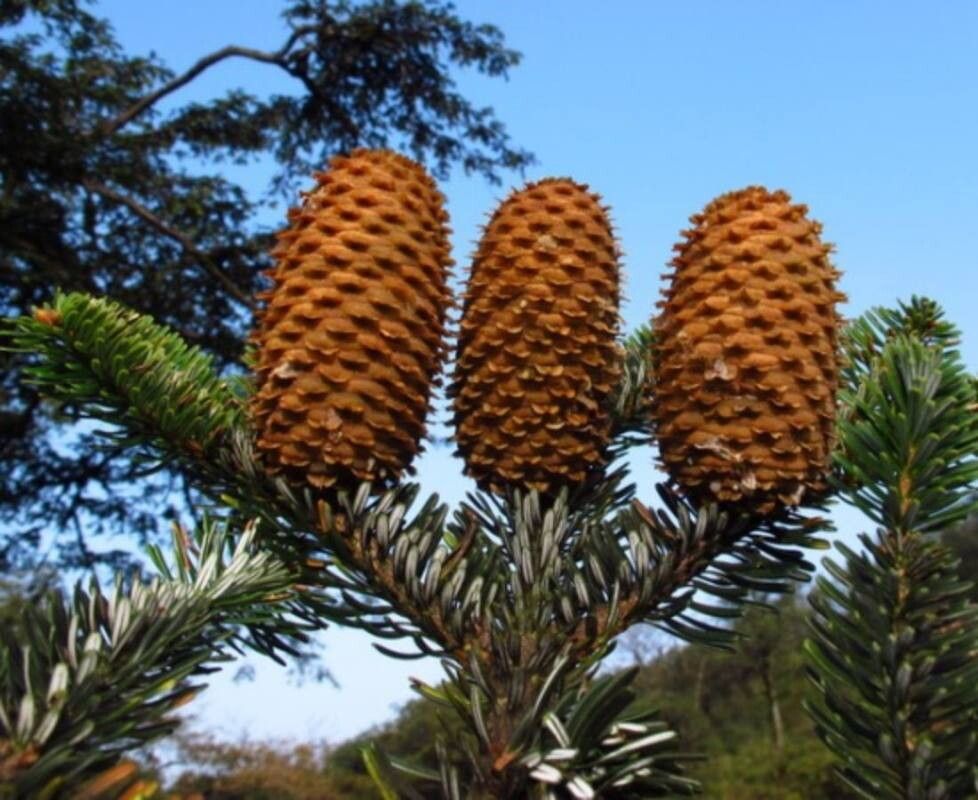
Oh, hello there! Come on in and grab a mug. Let’s chat about something truly special today: Abies yuanbaoshanensis. If you haven’t encountered this magnificent fir before, imagine a conifer that brings a touch of refined elegance to any garden. Its needles have this lovely silvery underside, and it forms a perfectly conical shape, almost like a living sculpture. Propagating it feels like unlocking a little bit of nature’s magic, and it’s a deeply rewarding process, even if it might present a few more challenges than, say, a common geranium!
The Best Time to Start
For Abies yuanbaoshanensis, my experience tells me that late spring to early summer is your sweet spot. You want to catch the plant in its active growth phase, but before the heat of mid-summer really kicks in. This is when the plant is putting on new growth, and those young shoots have the best energy reserves for rooting. Waiting until you see that flush of new, soft green growth is key.
Supplies You’ll Need
Here’s what I always have on hand when I’m ready to get my hands dirty with these beauties:
- Sharp, sterile pruning shears or a grafting knife: Cleanliness is absolutely paramount to prevent disease.
- Rooting hormone powder or gel: This is especially helpful for coniferous cuttings. Look for products specifically formulated for woody plants.
- A well-draining potting mix: I usually go for a blend of equal parts peat moss or coco coir, perlite, and coarse sand. You can also find commercial seed starting mixes that work well.
- Small pots or trays with drainage holes: Clean them thoroughly before use.
- Plastic bags or a propagation dome: To create a humid environment around your cuttings.
- A spray bottle: For gentle misting.
- Optional: A heat mat: For providing consistent bottom warmth.
Propagation Methods
While Abies yuanbaoshanensis can be notoriously tricky from seed, propagating from stem cuttings is generally more achievable for us home gardeners.
Stem Cuttings: My Go-To Method
- Select your softwood cuttings: In late spring or early summer, locate healthy, vigorous new growth. You’re looking for stems that are flexible but not so soft they flop over. They should be about 4-6 inches long.
- Make the cut: Using your sterilized pruning shears, make a clean cut just below a leaf node (where a needle or branch attaches to the main stem). This is where the plant has the best chance of developing roots.
- Prepare the cutting: Gently remove the needles from the bottom 1-2 inches of the cutting. Be careful not to damage the stem.
- Dip in rooting hormone: Lightly moisten the cut end of the cutting with water, then dip it into your rooting hormone powder or gel. Tap off any excess.
- Plant your cuttings: Fill your clean pots with your prepared potting mix. Make a small hole with a pencil or your finger, then carefully insert the cutting. Firm the soil gently around the base.
- Water gently: Water thoroughly but gently, making sure the soil is moist but not waterlogged.
- Create a humid environment: Cover the pots completely with a clear plastic bag or place them inside a propagation dome. You want to trap humidity around the cuttings. If you’re using a bag, you can secure it with a rubber band or string.
The “Secret Sauce” (Pro Tips)
Here are a couple of little tricks that have made a world of difference for me:
- Don’t overcrowd: Give your cuttings space! If they’re too close, airflow is reduced, and you risk fungal issues. I usually plant no more than 3-4 cuttings per 4-inch pot.
- Bottom heat is your friend: For coniferous cuttings like these, a gentle bottom heat can significantly speed up the rooting process. A propagation mat set to around 70-75°F (21-24°C) really encourages root development without drying out the top of the cutting.
Aftercare & Troubleshooting
Once your cuttings are planted, the real work of waiting begins!
- Misting is vital: For the first few weeks, mist the cuttings gently with a spray bottle every day or two. This keeps them hydrated and helps prevent them from drying out inside their protective cover. You’re aiming for consistently moist, not soggy, soil.
- Ventilation is key: Every few days, lift the plastic bag or open the dome for a few minutes to allow for some fresh air exchange. This helps prevent mold and mildew.
- Checking for roots: After about 6-8 weeks (and sometimes longer!), you can gently tug on a cutting. If you feel resistance, that’s a good sign roots are forming. You might even see tiny white root tips poking out of the drainage holes.
- Signs of trouble: The most common issue you’ll face is rot. If your cuttings turn black or mushy, or if there’s a foul smell, it’s usually a sign of too much moisture and not enough airflow. Sadly, these can’t be saved once rot sets in. Yellowing leaves can be a sign of stress or insufficient light, but don’t panic too quickly – new growth is your best indicator of success.
A Little Patience Goes a Long Way
Propagating Abies yuanbaoshanensis isn’t always a quick win, but the joy of nurturing a brand-new tree from a tiny cutting is immense. Don’t get discouraged if your first attempts aren’t perfect. Each one is a learning experience! Just be patient, keep those humidity levels up, and before you know it, you’ll have a beautiful new fir to cherish. Happy gardening!
Resource: