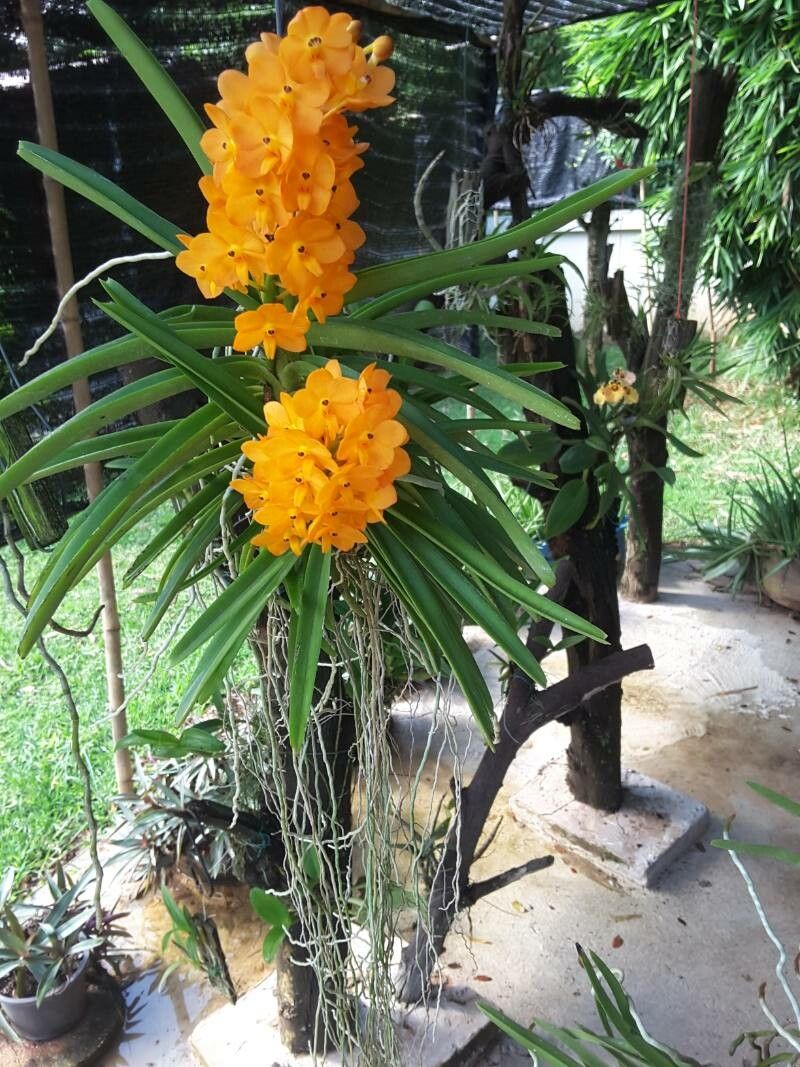
Hello my fellow plant enthusiasts! If you’ve ever fallen head over heels for the vibrant, jewel-toned blooms of Vanda miniata, you’re not alone. These little orchids pack a punch of color and their compact size makes them a wonderful addition to any windowsill or greenhouse. And guess what? You can have more of these beauties gracing your home! Propagating Vanda miniata is a truly rewarding journey, though I’ll be honest, it’s not the most beginner-friendly orchid to start with. But with a little patience and a lot of love, you absolutely can master it.
The Best Time to Start
For Vanda miniata, the sweetest spot for propagating is during its active growing season. This typically means spring and summer, when the orchid is naturally putting out new roots and leaves. You’ll have the most success if you can time it alongside a new growth spurt or after it has finished blooming.
Supplies You’ll Need
To give your little miniata cuttings the best start, gather these essentials:
- Sharp, sterile pruning shears or a clean knife: Always sterilize your tools to prevent disease. A quick wipe with rubbing alcohol does the trick.
- Orchid bark mix: A fine-grade, well-draining mix is crucial. Look for a blend specifically formulated for Vanda or epiphytic orchids.
- Sphagnum moss: Good quality, long-fibered sphagnum moss is excellent for retaining just the right amount of moisture.
- Small pots or containers: Net pots are a favorite for Vanda as they allow for excellent air circulation.
- Water: Rainwater or distilled water is ideal, as tap water can contain minerals that build up.
- Rooting hormone (optional but helpful): A powder or gel can give your cuttings an extra boost.
- Clear plastic bag or humidity dome: To create a microclimate.
Propagation Methods
Vanda miniata is most commonly propagated by division, especially since they tend to produce keikis (baby plants) or side shoots.
Division
- Gently remove the orchid from its pot. If it’s been in there a while, you might need to carefully loosen the roots from the sides.
- Inspect the root system. Look for a healthy section of the plant that has its own roots and at least one or two healthy leaves.
- Using your sterile shears or knife, make a clean cut. Carefully separate the new growth from the parent plant, ensuring you take a good portion of its roots with it. If there are no obvious divisions, you might need to wait until the plant is larger and producing a more substantial keiki.
- Allow the cut surface to callus over. This is important! Let the separated plant sit in a dry, airy spot for a day or two. This prevents rot.
- Pot up your new plant. Place it in a net pot or a small clear pot with your orchid bark mix. Make sure to position it so the newest growth is facing upwards. You want the roots to be nestled gently in the mix.
The “Secret Sauce” (Pro Tips)
- Don’t overwater, even after potting. New divisions can be sensitive to too much moisture, which can lead to rot. Let the potting mix dry out slightly between waterings. Check the roots – if they look plump and green, they’re happy. If they’re mushy and brown, you’ve got a problem.
- Mimic the Vanda environment. These orchids thrive on excellent air circulation. When you’ve first potted your division, you can gently mist the roots every day or two, but make sure that moisture dries quickly. A fan set on low in the room can be your best friend here.
- Bottom heat can be a game-changer. If you have a seedling mat or can place the pot on a slightly warm surface (not hot!), it can encourage root development. Just make sure it’s gentle and consistent.
Aftercare & Troubleshooting
Once your Vanda miniata is potted up, the key is patience and consistent, but not excessive, care.
- Light: Place it in bright, indirect light. Think the dappled shade of a large tree.
- Watering: Water thoroughly when the potting medium is nearly dry. Flush the pot well.
- Humidity: Vanda love humidity, so a humidifier or a pebble tray can be beneficial, especially in drier climates.
The most common sign of trouble is root rot. You’ll see roots turning mushy and brown, or the leaves might start to yellow and drop. If this happens, carefully remove the plant from its pot, trim away all the rotted roots with your sterile shears, and repot in fresh, dry bark. You might even need to start over with a healthier section if that’s possible. Don’t be discouraged by a setback; it’s all part of the learning process!
A Gentle Encouragement
Remember, plant propagation is a dance with nature. Sometimes things go perfectly, and other times nature has her own plans. Be patient with your new Vanda miniata babies. Celebrate each tiny new root and leaf. Enjoy the process of watching life emerge, and before you know it, you’ll have another stunning orchid to admire! Happy growing!
Resource:
https://identify.plantnet.org/k-world-flora/species/Vanda%20miniata%20(Lindl.)%20L.M.Gardiner/data