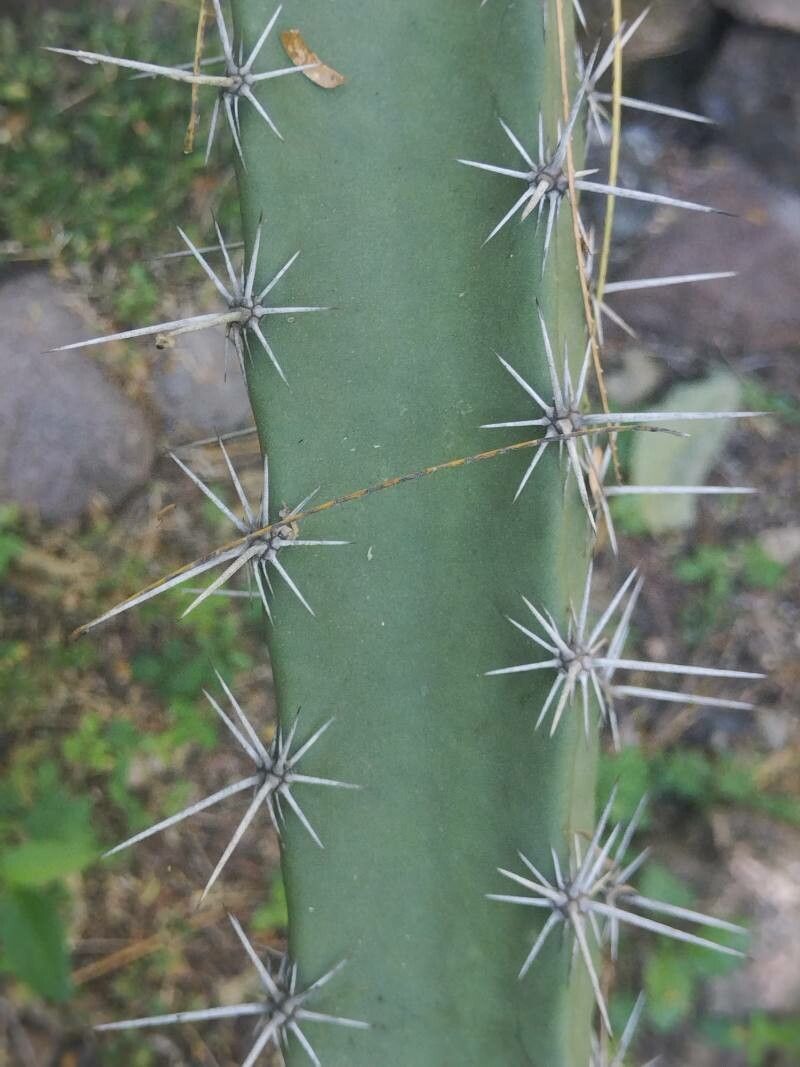
Oh, hello there! Come on in, grab a mug. Let’s chat about one of my favorite desert dwellers: Acanthocereus chiapensis. I’m so glad you’re curious about propagating this beauty.
Why You’ll Love Growing More Acanthocereus chiapensis
This cactus, with its sculptural, almost architectural growth and striking white flowers that often smell divine at night, is a real showstopper. Propagating it is like multiplying a piece of living art! It’s not a plant that throws a fit if you get a little hands-on, which is always a good sign in my book. For beginners, I’d say Acanthocereus chiapensis is moderately easy to propagate. A little patience and attention to detail go a long way.
When is the Right Time to Get Started?
The absolute sweet spot for propagating Acanthocereus chiapensis is during its active growing season. Think late spring through summer. This is when the plant is energized and ready to put out new roots. Starting when it’s just waking up from dormancy or already slowing down can be a bit of a gamble.
What You’ll Need for the Job
Gathering your supplies beforehand makes the whole process much smoother. Here’s what I always have on hand:
- Sharp, clean pruning shears or a sharp knife: This is crucial for clean cuts, which heal faster and are less prone to disease.
- Rooting hormone (optional but helpful): A good powdered or liquid rooting hormone can give your cuttings a boost.
- Well-draining potting mix: I usually use a cactus/succulent mix. You can also make your own by combining potting soil with perlite or pumice at a 1:1 ratio. The key is to let water drain away quickly.
- Pots or trays: Small terracotta pots or nursery trays work wonderfully. Make sure they have drainage holes.
- Gloves (optional): While not sharp, some find the spines a bit pokey.
- A watering can or spray bottle: For gentle watering.
- A warm, bright spot: To place your cuttings once they’re planted.
Let’s Get Propagating!
Acanthocereus chiapensis is happiest when propagated from stem cuttings. It’s surprisingly straightforward!
- Take Your Cutting: Choose a healthy stem segment that’s at least 4-6 inches long. Make a clean cut just above a node (where a segment connects to another). Avoid taking overly soft or old growth.
- Let it Callous: This is a VERY important step for cacti. Place your cutting in a dry, airy spot, out of direct sunlight, for several days to a week. You want the cut end to dry out and form a callus – a protective layer. This prevents rot when you plant it.
- Wipe Away Sap (if any): Some succulents ooze a milky sap. If your cutting does, gently wipe it away with a damp cloth before it dries.
- Apply Rooting Hormone (Optional): If you’re using rooting hormone, dip the calloused end into the powder or liquid as directed on the product. Tap off any excess.
- Plant Your Cutting: Fill your chosen pot with your well-draining mix. Make a small hole in the center with your finger or a pencil. Gently insert the calloused end of the cutting. You want it to stand upright, so don’t bury it too deeply – about an inch or so is usually sufficient. Firm the soil gently around the base.
- Wait to Water: This might feel counterintuitive, but do not water immediately after planting. Wait at least a week. This gives the cutting another chance to settle in and allows any tiny nicks from planting to heal.
The “Secret Sauce” from a Fellow Gardener
Here are a few little tricks I’ve picked up over the years that really up the success rate:
- Bottom Heat is Your Friend: If you’re propagating in cooler months or in a drafty house, a little bottom heat from a heat mat placed under your pots can dramatically encourage root development. Keep it on a low setting.
- Don’t Disturb the Nest: Once you’ve planted your cutting, resist the urge to tug on it to check for roots. You’ll break the delicate new ones. The best indicator of roots is usually new growth appearing on the cutting itself.
- Mist, Don’t Drench: When you do start watering, and again, only once you’ve waited a good while, err on the side of caution. Lightly misting the soil or watering very sparingly is better than drowning it. We want it damp, not soggy.
Aftercare and What to Watch For
Once you see signs of new growth – tiny pups emerging or the stem looking plumper – it’s a good sign roots are forming. You can then start watering a bit more regularly. Water thoroughly when the soil is dry to the touch, and then let it dry out again.
The most common foe here is root rot. If your cutting turns mushy, has a foul smell, or collapses, it’s likely rotted. This usually happens from overwatering or not letting the cutting callous properly. Don’t despair, just try again! Less is often more with cacti.
Go Forth and Get Growing!
Propagating Acanthocereus chiapensis is a wonderfully rewarding experience. It’s a slow and steady process, so be patient. Watching that little bit of stem transform into a new, independent plant is pure gardening joy. Happy propagating!
Resource:
https://identify.plantnet.org/k-world-flora/species/Acanthocereus%20chiapensis%20Bravo/data