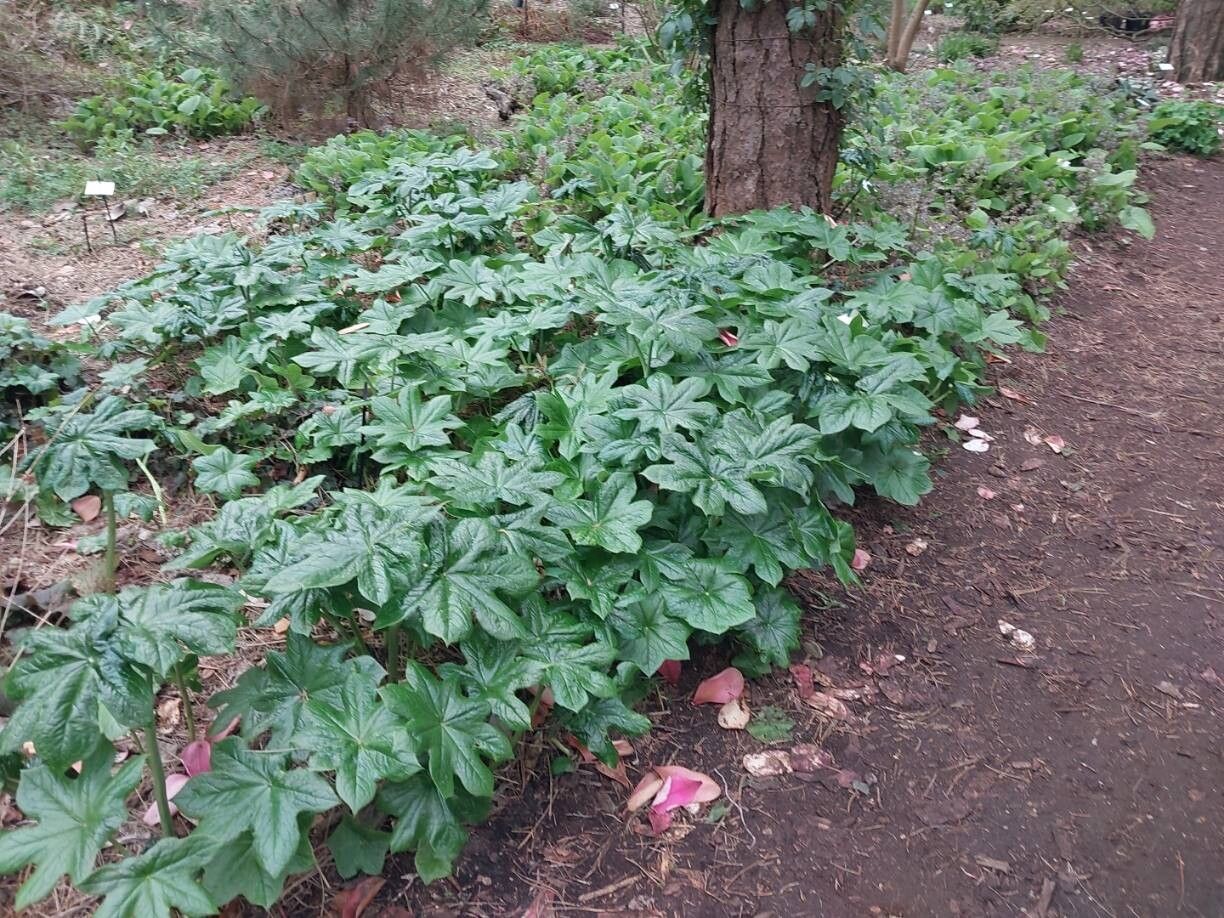
Oh, hello there! Come on in and grab a mug. I’ve been so excited to chat with you about Podophyllum pleianthum, or as some of us affectionately call it, the Mayapple of Asia. It’s such a fascinating plant, with those wonderfully bold, umbrella-like leaves that just scream “drama” in the shade garden. And the little, almost hidden, dark red flowers – they’re like a hidden jewel.
Propagating Podophyllum pleianthum isn’t something you see talked about every day, which makes it incredibly rewarding when you get it right. Honestly, for a beginner, it can be a bit of a challenge. It’s not as straightforward as, say, a geranium cutting, but with a bit of patience and understanding, it’s absolutely achievable. I promise it’s worth the effort for those unique leaves alone!
The Best Time to Start
For the highest success rate with Podophyllum pleianthum, I find that early spring is your best bet. This is when the plant is just waking up from dormancy and full of vigor. You’re looking for new growth, the kind that’s still tender but has started to firm up a bit. Avoid trying to propagate from very old, woody material or when the plant is under stress from heat or drought.
Supplies You’ll Need
Gathering your tools beforehand makes the whole process so much smoother. Here’s what I usually have on hand:
- Sharp Pruning Shears or a Craft Knife: For clean cuts that heal well.
- Potting Mix: A good quality, well-draining mix is crucial. I like a blend of peat moss, perlite, and a bit of compost. You could also use a commercial seed-starting mix.
- Small Pots or Seed Trays: Clean ones, of course!
- Rooting Hormone (Optional but Recommended): A powdered or gel form can give your cuttings a helpful boost.
- Watering Can or Spray Bottle: For gentle watering.
- Plastic Bags or a Clear Dome: To create a humid environment.
- Labels: Don’t underestimate the importance of knowing what you’ve planted!
Propagation Methods
I’ve had the most success with division for Podophyllum pleianthum. It’s a direct way to get a viable new plant.
Division Method:
- Dig Carefully: When you’re ready in early spring, gently dig up your established Podophyllum pleianthum plant. You want to disturb the roots as little as possible, so start a good distance away from the crown.
- Examine the Rhizomes: You’ll notice thick, fleshy rhizomes (underground stems). Look for sections where there are distinct buds or growing points already present. These are your potential new plants.
- Separate with Care: Using your sharp shears or a clean knife, carefully cut the rhizome into sections. Make sure each section has at least one healthy bud and some root attached. If a section seems very weak or has no bud, it’s best to leave it or discard it.
- Potting Up: Plant each separated section in its own pot filled with your well-draining potting mix. The top of the rhizome should be just at or slightly below the soil surface.
- Water Gently: Water the newly potted divisions thoroughly but gently.
The “Secret Sauce” (Pro Tips)
Here are a couple of things I’ve learned over the years that really make a difference:
- Don’t Drown Your Divisions: While you want to keep the soil moist, avoid waterlogging at all costs. Podophyllum rhizomes are susceptible to rot if they sit in soggy conditions. I often find that watering thoroughly once and then waiting until the top inch of soil feels dry before watering again is the sweet spot.
- Patience is Key with Rhizomes: These guys are not sprinters! They can take their sweet time to show signs of life, sometimes weeks. Don’t get discouraged if you don’t see new shoots popping up immediately. They’re busy establishing their roots underground.
Aftercare & Troubleshooting
Once your divisions are potted, place them in a shady, protected spot. They don’t need direct sun. Keep the soil consistently moist but not wet. If you’ve used a plastic bag or dome to create humidity, ventilate it daily for a few minutes to prevent fungal issues.
The most common sign of trouble is rot. If you see the rhizome turning mushy, brown, or developing a foul smell, it’s likely it’s succumbed to rot. This is usually a sign of too much moisture or poor drainage. Unfortunately, once rot sets in, it’s very hard to save. The best prevention is proper watering and a good soil mix. If you see new leafy growth emerge, that’s a fantastic sign and means you’ve successfully propagated!
A Encouraging Closing
So there you have it! Propagating Podophyllum pleianthum might require a bit more attention than some other plants, but the satisfaction of watching those new, lush leaves unfurl from a plant you grew yourself is an incomparable joy. Be patient, keep an eye on moisture, and celebrate every little bit of progress. Happy gardening!
Resource:
https://identify.plantnet.org/k-world-flora/species/Podophyllum%20pleianthum%20Hance/data