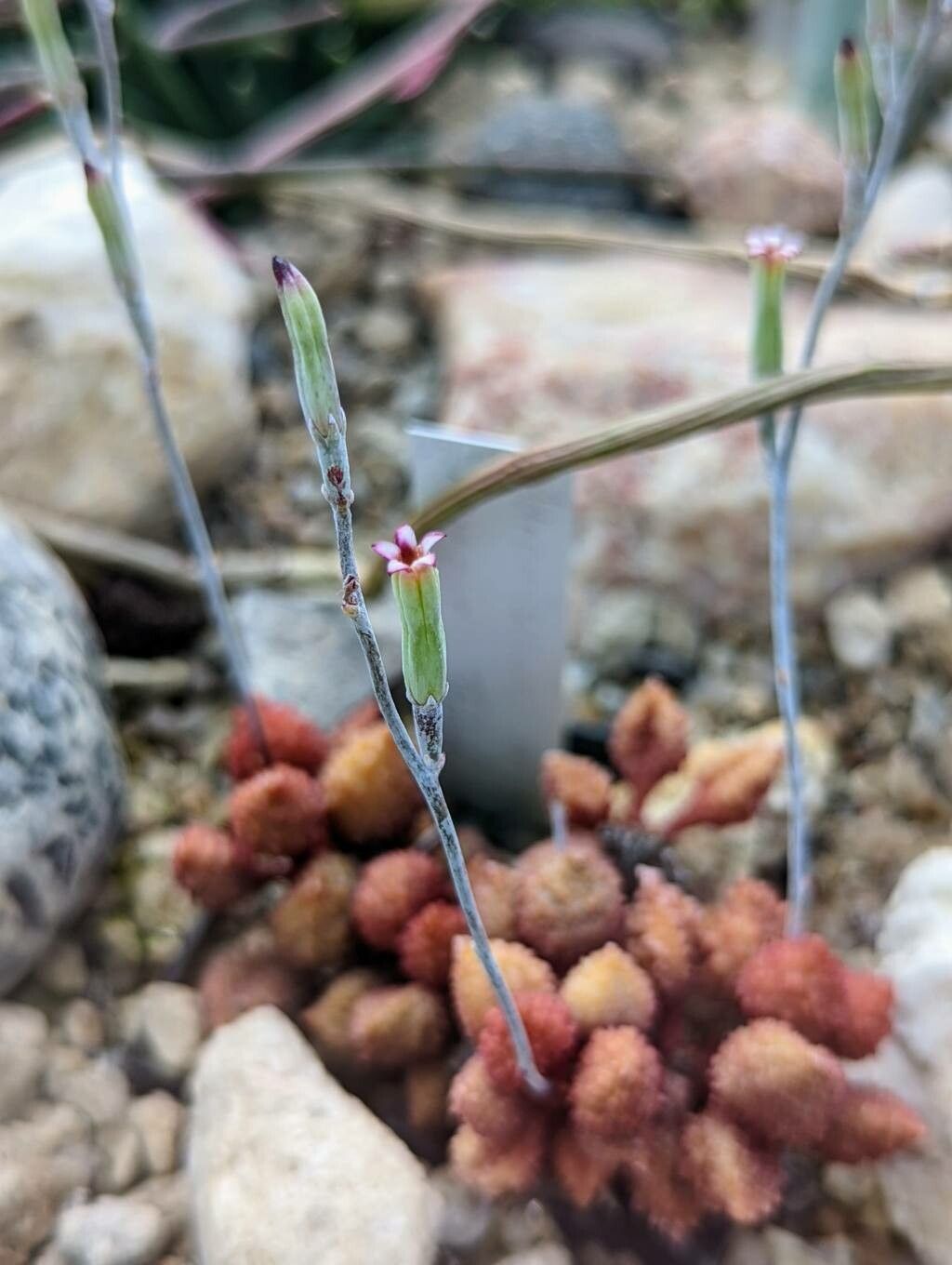
Hello there, fellow plant enthusiasts! Today, we’re diving into the delightful world of Adromischus marianiae, a succulent that truly steals the show with its charming, often ruffled, leaves. These little gems come in a stunning array of colors and textures, making them a joy to behold in any collection. And the best part? Propagating them is a wonderfully rewarding experience, allowing you to multiply that joy and share it with friends. I find Adromischus to be surprisingly forgiving when it comes to propagation, even for those just dipping their toes into the succulent scene.
The Best Time to Start
For Adromischus, like many succulents, the active growing season is your golden ticket to success. This generally falls in the late spring and throughout the summer. During these warmer months, the plant has ample energy to put into root development, significantly boosting your chances of successful propagation. Starting too late in the fall or during the cool winter months can lead to slower growth and a higher risk of rot.
Supplies You’ll Need
Gathering your supplies makes the whole process smoother. Here’s what I usually have on hand:
- Well-draining potting mix: A cactus and succulent blend is ideal. I often amend it with a bit of perlite or pumice for extra aeration.
- Sharp, clean pruning shears or a knife: For making clean cuts. A sterilized tool is key to preventing disease.
- Rooting hormone (optional but recommended): This can give your cuttings a nice head start.
- Small pots or trays: Terracotta pots are excellent as they breathe well.
- Watering can or spray bottle: For gentle watering.
- A sunny, warm location: Bright, indirect light is perfect during the initial rooting phase.
- Labels: To keep track of your precious new plants!
Propagation Methods
Adromischus marianiae is wonderfully versatile, and I’ve had great luck with a couple of methods.
Stem Cuttings
This is my go-to method. It’s straightforward and gives you thicker, faster-growing plantlets.
- Select a healthy stem: Look for a mature, well-established stem that isn’t too leggy.
- Make a clean cut: Using your sharp, clean shears or knife, cut off a section of stem that’s at least 2-3 inches long. Make the cut just above a leaf node if possible.
- Allow to callus: This is crucial! Let your cutting sit in a dry, shaded spot for several days to a week. You’ll see the cut end dry and form a protective scab. This prevents rot when you plant it.
- Plant the cutting: Once callused, gently push the cut end 1-2 inches into your well-draining potting mix. You can use a rooting hormone powder at this stage if you like, dipping the cut end before planting.
- Water sparingly: Water very lightly at first, just enough to settle the soil around the cutting. You want the soil to be barely moist.
Leaf Cuttings
While stem cuttings are my preferred, Adromischus leaves can also propagate. It’s a bit more patient’s game!
- Gently remove a leaf: Wiggle a healthy leaf from the parent plant until it cleanly detaches, making sure to get the bit where it connects to the stem. If you just tear it, it might not sprout.
- Allow to callus: Just like stem cuttings, let the cut end of the leaf callus over for a few days.
- Place on soil: Lay the callused leaf on top of your succulent potting mix. Don’t bury it.
- Mist lightly: Mist the soil surface occasionally. You’ll see tiny roots and then a miniature plantlet emerge from the callused end. This can take weeks or even months.
The “Secret Sauce” (Pro Tips)
Here are a couple of my little secrets that have made a big difference for me:
- Don’t overwater the cuttings! This is the biggest mistake beginners make. Succulent cuttings are prone to rot if the soil stays too wet, especially before roots have formed. I usually mist the soil surface only when it feels completely dry.
- A little warmth goes a long way. If you have a heat mat designed for propagation, placing your pots on it can speed up root development considerably. It mimics the warmth of spring and summer really well.
Aftercare & Troubleshooting
Once you start to see tiny roots emerging from your cuttings (you might even give them a gentle tug to feel resistance), you can begin to water a little more regularly – but still, let the soil dry out between waterings. Gradually increase the amount of light they receive.
The most common issue you’ll encounter is rot. If a cutting turns mushy, black, or dissolves into goo, it’s a sign of too much moisture. Unfortunately, you’ll likely need to discard it and try again, learning from the experience. Sometimes, leaves might shrivel up and die; this often means they just weren’t viable to begin with or the conditions weren’t quite right. Don’t get discouraged!
A Sweet Ending
Propagating Adromischus is a journey that’s as much about the process as it is about the outcome. Be patient, enjoy observing the tiny miracles unfold, and don’t be afraid to experiment. Soon, you’ll have a whole new crew of these beautiful succulents to admire and share. Happy propagating!
Resource: