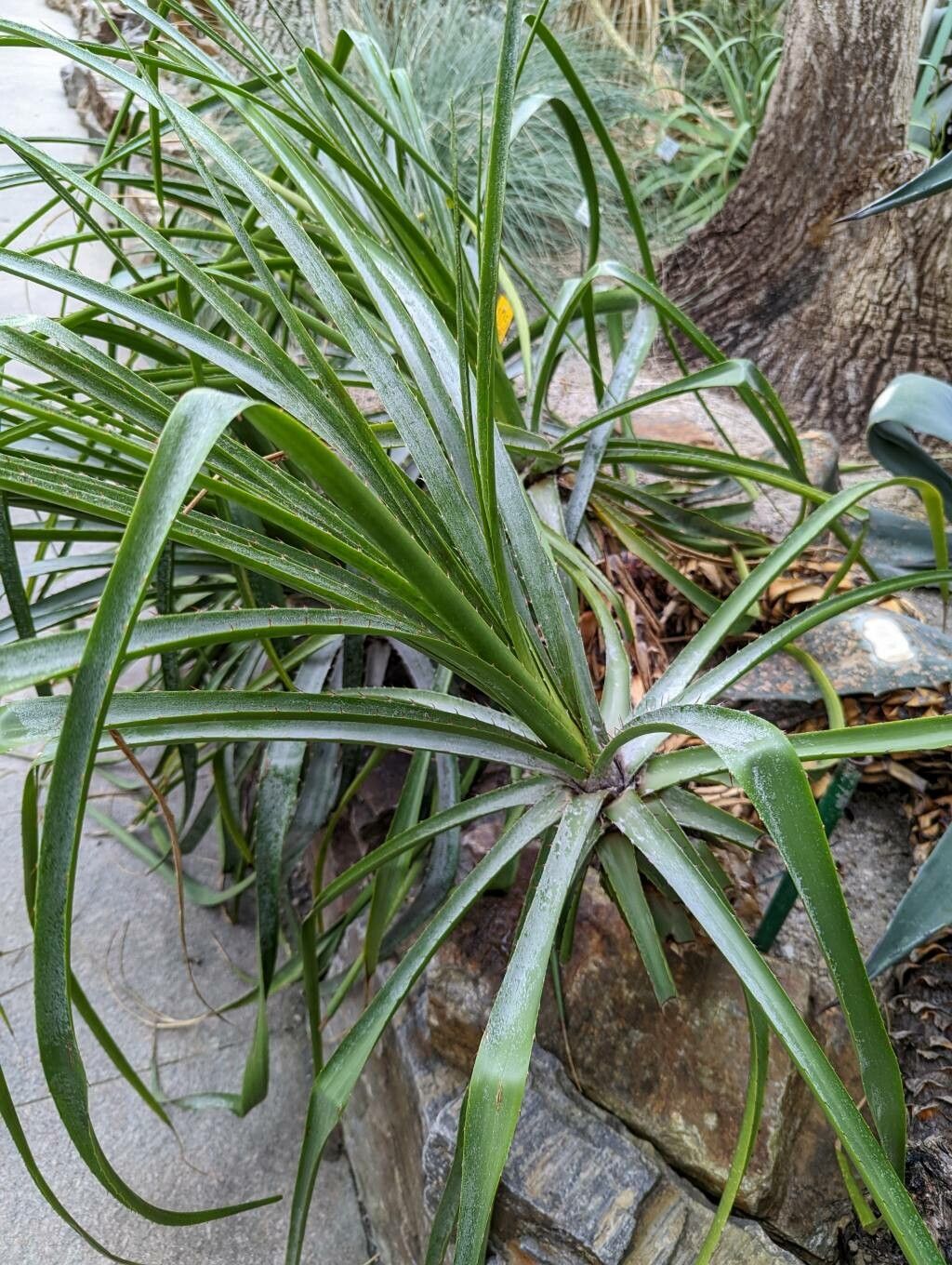
Oh, Puya parviflora! If you’re looking for a plant that brings a touch of the exotic and a splash of architectural beauty to your garden, you’ve found a winner. These fascinating bromeliads, with their spiky rosettes and often stunning flower spikes, are a real conversation starter. And the joy of creating new plants from your own established beauty? Priceless! Now, if you’re just dipping your toes into the world of plant propagation, I’ll be honest, Puya parviflora can be a little on the trickier side. But don’t let that deter you! With a bit of patience and the right approach, it’s absolutely doable, and I’m here to guide you every step of the way.
The Best Time to Start
For Puya parviflora, my favorite time to propagate is in the late spring to early summer. This is when the plant is in its full growing stride, meaning it has plenty of energy to dedicate to developing new roots and shoots. You’re looking for when your mature plant is actively putting out new growth or has recently finished flowering. That’s your cue!
Supplies You’ll Need
Gathering your supplies beforehand makes the process so much smoother. Here’s what I typically have on hand:
- Sharp, clean pruning shears or a sharp knife: For making clean cuts.
- Rooting hormone powder (optional but recommended): It significantly boosts your chances of success.
- Well-draining potting mix: A cactus/succulent mix is ideal, or you can create your own by combining equal parts peat moss, perlite, and sand.
- Small pots or seed trays: With drainage holes, of course!
- Spray bottle: For misting.
- A warm location: Think a sunny windowsill or a greenhouse.
- Mulch or small pebbles (optional): For helping to keep the base of cuttings dry.
Propagation Methods
Puya parviflora is primarily propagated through offsets, which are essentially baby plants that grow from the base of the parent plant. While you can try stem cuttings, offsets are generally by far the most successful method.
- Locate the Offsets: Gently examine your Puya parviflora. You’ll often find small plantlets developing around the base of the main plant. These are your little babies!
- Wait for Them to Grow: Don’t be tempted to remove them too soon. I like to wait until the offsets are at least a few inches tall and have developed a few leaves of their own. This gives them a better chance of survival.
- Carefully Separate: Using your clean pruning shears or sharp knife, carefully cut the offset away from the mother plant. Try to get as much of its base as possible, including any tiny roots that might have started to form. If the offset is very close to the parent, you might need to gently loosen the soil to get a clean cut.
- Prepare the Offset: If you’re using rooting hormone, dip the cut end of the offset into the powder, tapping off any excess. This is your insurance policy for strong root development.
- Planting Time: Fill your small pots with your well-draining potting mix. Make a small hole in the center and gently insert the base of the offset. Firm the soil around it so it stands upright.
- Initial Watering: Give your newly planted offset a light watering. You want the soil to be moist, but not waterlogged.
The “Secret Sauce” (Pro Tips)
Here are a couple of things I’ve learned over the years that make a real difference:
- Give Them Space to Breathe: Once planted, especially if you’ve got multiple offsets in a tray, avoid letting their leaves bunch up too tightly. Good air circulation is key to preventing fungal issues and rot, which is the bane of any new propagation. Sometimes I’ll tuck a few small pebbles around the base of the cutting to keep it from getting too soggy.
- Embrace Bottom Heat (If You Can): This is a game-changer, especially when you’re starting out. Placing your pots on a propagation mat or in a warm spot with consistent, gentle heat from below will work wonders for encouraging those roots to form. Bromeliads love it when their roots are warm and cozy!
Aftercare & Troubleshooting
Once your offsets are planted, the real patience game begins. Keep them in a bright, indirect light location. I resist the urge to water them too frequently; allow the soil to dry out slightly between waterings. You’ll be looking for signs of growth – new leaves emerging from the center are your best indicator. This can take anywhere from a few weeks to a couple of months.
The most common issue you’ll encounter is rot. If you see your offset turning mushy or developing black spots, it’s usually a sign of too much moisture or poor drainage. Unfortunately, rot is often fatal, so prevention through good watering practices and a well-draining mix is your best defense. If you catch it early, you might be able to salvage a portion, but it’s tricky.
A Encouraging Closing
So there you have it! Propagating Puya parviflora is a journey, not a race. Don’t get discouraged if your first attempt isn’t a runaway success. Each plant and each season is a little different. Enjoy the process of nurturing these new little lives and watch them grow. Happy propagating!
Resource:
https://identify.plantnet.org/k-world-flora/species/Puya%20parviflora%20L.B.Sm./data