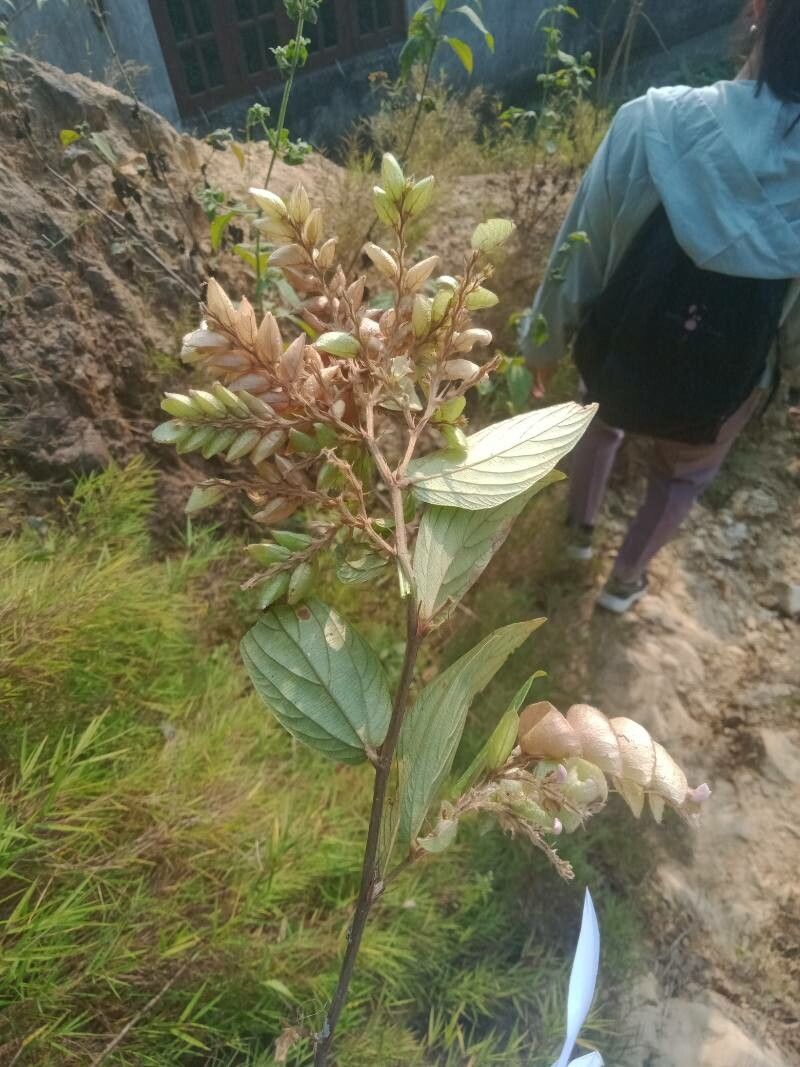
Oh, hello there! Come on in, pull up a chair. Let’s chat about a little gem I’ve come to adore in my garden: Flemingia strobilifera. You might know it as the ‘wild hops’ or ‘drumstick plant’ – whatever you call it, its delicate, papery flower spikes that dance in the breeze are just lovely. And the best part? Sharing that beauty is so incredibly satisfying, and propagating this plant is a wonderfully rewarding endeavor.
Now, is it a tricky plant to get started from cuttings? Honestly, Flemingia strobilifera is quite forgiving, which makes it a delightful project even if you’re relatively new to the propagation game. You’re going to love watching these little wonders take hold!
The Best Time to Start
For the absolute best chance of success with Flemingia strobilifera, the sweet spot is during its active growing season. Think of it as spring and early summer. When the weather is warming up and the plant is really putting on new growth, your cuttings will have the energy they need to establish themselves. Trying to do this when the plant is dormant or stressed by harsh conditions will just make things harder.
Supplies You’ll Need
Gathering your supplies before you begin makes the whole process much smoother. Here’s a little checklist to get you prepped:
- Sharp pruning shears or a clean, sharp knife: This is crucial for clean cuts that will heal well.
- Well-draining potting mix: A good blend for me usually involves equal parts peat moss or coco coir, perlite, and a bit of garden soil. You can also find specialized seedling or cutting mixes.
- Rooting hormone (optional but recommended): This little helper can significantly boost your success rate. I prefer the powder form, but liquid works beautifully too.
- Small pots or seed trays: Make sure they have drainage holes!
- Watering can or spray bottle: For gentle watering.
- Plastic bags or a propagation dome: To create a humid environment.
- Labels: Trust me, you’ll thank yourself later!
Propagation Methods
Flemingia strobilifera is most easily propagated from stem cuttings. Here’s how I do it:
- Take Your Cuttings: With clean shears, select a healthy, non-flowering stem from your parent plant. Look for stems that have new growth but are still somewhat firm – not floppy, but not woody either. You want cuttings that are about 4-6 inches long. Make a clean cut just below a leaf node (where a leaf attaches to the stem).
- Prepare the Cuttings: Gently remove the lower leaves from the cutting, leaving just a few at the top. This prevents them from rotting in the soil and encourages the plant to focus its energy on rooting.
- Apply Rooting Hormone (If Using): Dip the cut end of the stem into your rooting hormone. Tap off any excess.
- Pot Them Up: Fill your small pots with your well-draining potting mix. Make a small hole in the center of each pot with your finger or a pencil. Insert the cut end of your Flemingia strobilifera cutting into the hole, and gently firm the soil around it.
- Water Gently: Water the soil lightly until it’s evenly moist, but not soggy.
- Create Humidity: This is where the magic happens! Place the potted cuttings inside a clear plastic bag, gently pulling it over the pot and securing it with a rubber band. Alternatively, use a propagation dome. Make sure the leaves aren’t pressed tightly against the plastic. If you’re using a bag, poke a few small holes in the top to allow for some air circulation.
The “Secret Sauce” (Pro Tips)
I’ve learned a few little tricks over the years that seem to make a difference:
- Don’t let the leaves touch the water (if water propagating at all): Now, I primarily stick to soil propagation for Flemingia, but if you try water, ensure no foliage is submerged. That’s a fast track to rot. Keep the water clean and change it every few days if you’re going that route.
- Bottom Heat is Your Friend: If you have a heated propagation mat, placing your pots on it can significantly speed up root development. The warmth encourages cell activity, and your cuttings will thank you for it!
- Patience with the Parent Plant: When taking cuttings, be mindful of the parent plant. Don’t take too many from one spot, and always leave enough foliage for the mother plant to recover and continue growing strong.
Aftercare & Troubleshooting
Once your cuttings are potted and have their humidity tents, place them in a bright spot with indirect light. Avoid direct sun, as it can scorch the delicate new growth. Keep the soil consistently moist, but not waterlogged.
You’ll know your Flemingia strobilifera has rooted when you see new leaf growth emerging from the top of the cutting, or when you feel a gentle resistance if you tug lightly on the stem. This can take anywhere from 3-6 weeks, or even a bit longer depending on conditions.
What if things go wrong? The most common issue is rot. If your cutting turns black and mushy, it’s usually a sign of overwatering or poor air circulation. If you spot this, it’s usually best to discard the affected cutting and learn from it. Make sure your soil drains well and that you’re not keeping the humidity too high for extended periods without any ventilation.
A Encouraging Closing
Seeing those first signs of life from a tiny cutting is one of the most satisfying experiences in gardening. Be patient with your little Flemingia strobilifera plants. Some will take off quickly, while others might be a bit slower. The journey is half the fun. Happy propagating, and may your garden be filled with abundance!
Resource:
https://identify.plantnet.org/k-world-flora/species/Flemingia%20strobilifera%20(L.)%20W.T.Aiton/data