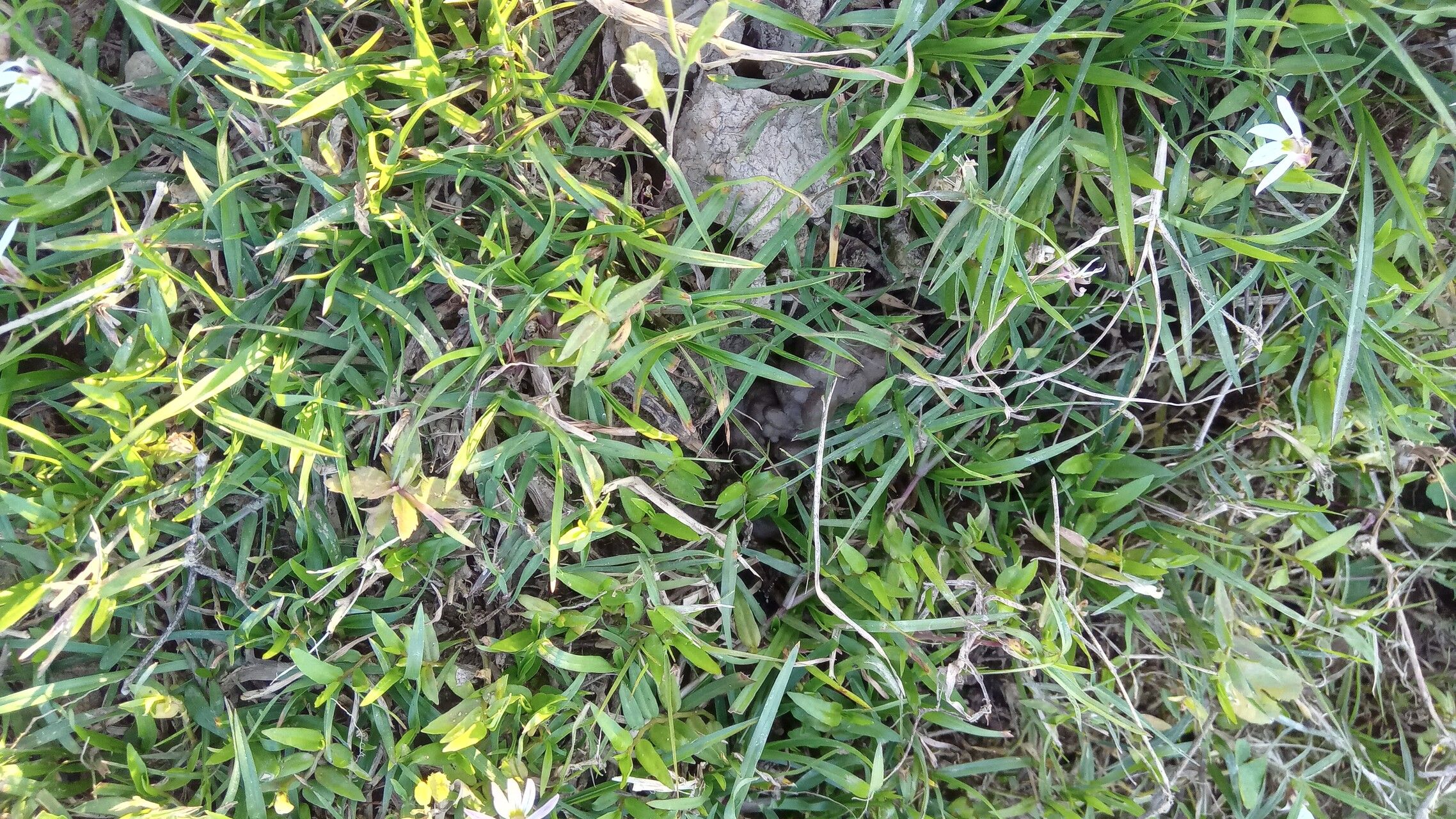
Hello, fellow garden enthusiasts! Today, we’re diving into the delightful world of Lobelia chinensis, or as I affectionately call it, our beloved miniature trailing lobelia. There’s something so charming about its delicate, star-like flowers, often in shades of vibrant blue, pink, or white, spilling over the edges of containers or carpeting a shady spot. They bring a lovely softness to any garden, and the best part? They’re surprisingly straightforward to propagate. For beginners looking to expand their plant collection without breaking the bank, this is a fantastic place to start.
The Best Time to Start
My favorite time to get busy with propagating Lobelia chinensis is late spring to early summer. This is when the plant is in its active growth phase, meaning it’s full of energy and ready to put out new shoots. Starting here gives your new propagations plenty of time to establish themselves before the cooler weather sets in.
Supplies You’ll Need
Here’s what you’ll want to have ready to go:
- Sharp pruning shears or scissors: For clean cuts on your stem cuttings.
- Potting mix: A good quality, well-draining potting mix is essential. I often use a blend of peat moss, perlite, and a bit of compost.
- Small pots or trays: For your cuttings to root in. I prefer terracotta pots for good aeration.
- Rooting hormone (optional but recommended): This gives cuttings a little boost.
- Plastic bags or a clear plastic dome: To create a humid environment.
- Watering can with a fine rose: For gentle watering.
- Labels: So you don’t forget what’s what!
Propagation Methods
Let’s get our hands dirty! My go-to method for Lobelia chinensis is stem cuttings.
- Take Cuttings: Look for healthy, non-flowering shoots on your established plant. You want pieces that are roughly 3-4 inches long. Using your sharp shears, make a clean cut just below a leaf node (where a leaf attaches to the stem).
- Prepare the Cuttings: Gently remove the lower leaves from each cutting, leaving just a few at the very top. This prevents them from rotting in the soil. If you’re using rooting hormone, dip the cut end into it now, tapping off any excess.
- Plant the Cuttings: Fill your small pots with your prepared potting mix. Make a small hole in the center of the soil with your finger or a pencil. Carefully insert the cut end of the lobelia cutting into the hole and gently firm the soil around it.
- Create Humidity: Water the soil lightly so it’s moist but not waterlogged. Then, cover the pot with a clear plastic bag or place it under a clear plastic dome. This traps moisture and creates the humid microclimate that is key to successful rooting.
Another super simple method is water propagation.
- Take Cuttings: Just as described above, take 3-4 inch stem cuttings.
- Place in Water: Remove the lower leaves and place the cuttings in a small jar or glass of clean water.
- Rooting: Place the jar in a bright spot, out of direct sunlight. You’ll start to see tiny white roots emerge from the leaf nodes. Once the roots are about an inch long, you can pot them up into your potting mix.
The “Secret Sauce” (Pro Tips)
Here are a couple of tricks I’ve learned over the years that really make a difference:
- Keep the leaves dry: When watering your cuttings, make sure the leaves themselves don’t sit in water, especially if they’re tucked under a plastic bag. This is a breeding ground for rot. A gentle watering at the base is best.
- A little warmth goes a long way: While not strictly necessary for Lobelia chinensis, placing your pots on a heat mat designed for starting seeds can significantly speed up rooting. It mimics that lovely warm spring soil.
Aftercare & Troubleshooting
Once you start to see new growth emerging from your cuttings, that’s a great sign! It means roots are forming. Gradually introduce your new plants to the open air by lifting the plastic bag for a few hours each day for a week. Once they’re more accustomed to ambient humidity, you can remove the cover permanently.
Keep the soil consistently moist but not soggy. If your cuttings go limp and yellow, it’s often a sign of overwatering and potential rot. Cut your losses and try again, ensuring better drainage this time. Sometimes, they just don’t take. It happens to us all! Don’t get discouraged.
A Little Patience, A Lot of Reward
Propagating plants is a wonderful way to connect with nature and grow your garden for free. Lobelia chinensis is a forgiving plant, and with a little care and these simple steps, you’ll soon have a windowsill full of new baby plants ready to grace your garden. Be patient, enjoy the process, and celebrate every little root you see! Happy gardening!
Resource:
https://identify.plantnet.org/k-world-flora/species/Lobelia%20chinensis%20Lour./data