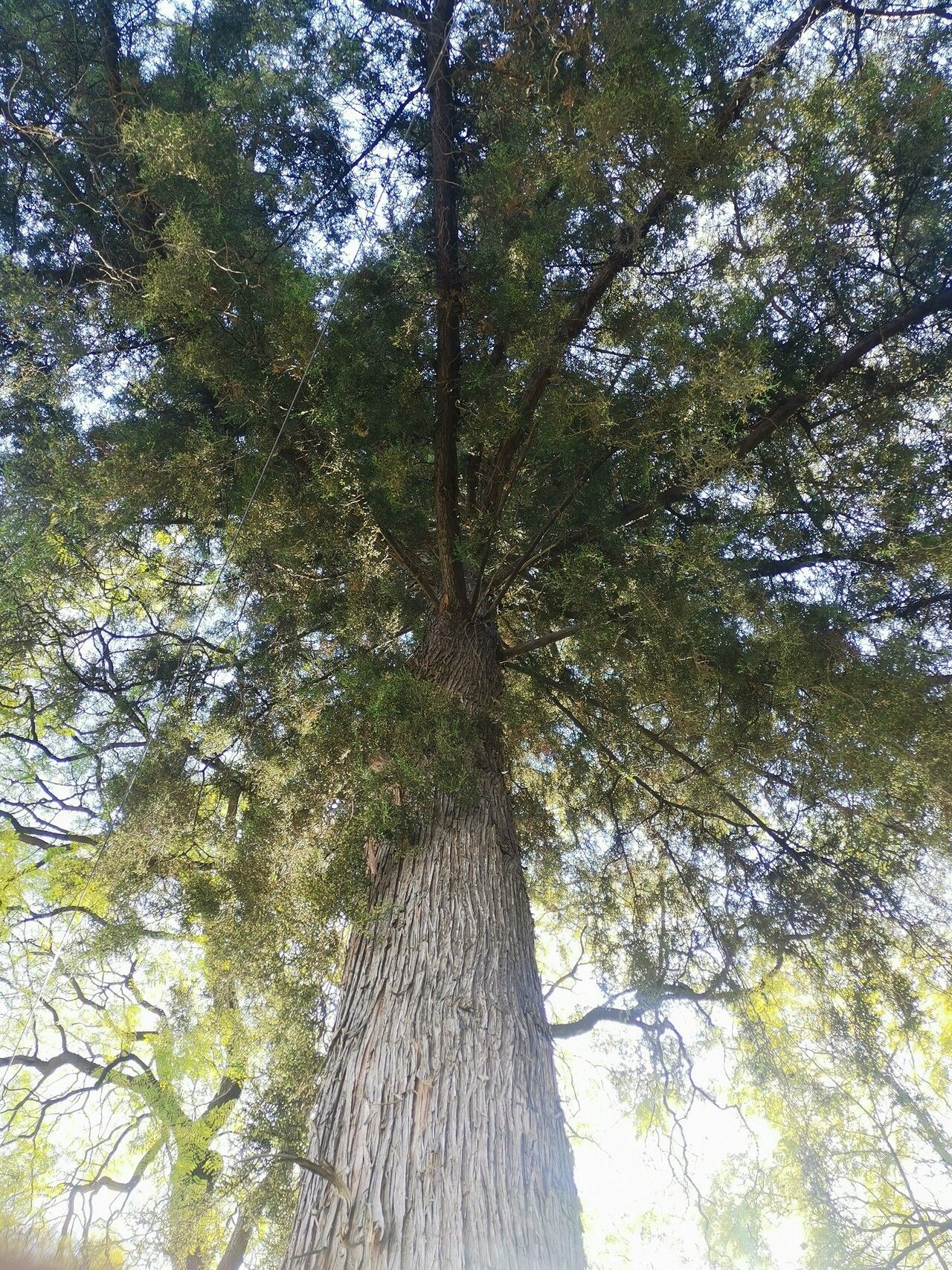
Hello there, fellow plant lovers! Today, we’re diving into the wonderful world of propagating Hesperocyparis lusitanica, also known as the Lusitanian cypress or, more endearingly, the Monterrey cypress in some regions. If you’ve ever admired its beautiful, graceful form and soft, feathery foliage, you’re in for a treat. Growing your own from cuttings is incredibly satisfying, and while it has a reputation for being a little particular, I promise it’s not a plant that will scare away beginners. Stick with me, and we’ll coax those beautiful trees into existence.
The Best Time to Start
For the highest chance of success with Hesperocyparis lusitanica cuttings, aim for late spring through early summer. This is when the plant is actively growing, and the new shoots, called “semi-hardwood,” have started to firm up but are still somewhat flexible. Think of it like a firm pencil – not too soft that it wilts easily, but not so woody that it’s brittle. This stage is perfect for rooting.
Supplies You’ll Need
Gathering your supplies beforehand makes the whole process smooth sailing:
- Sharp Pruning Shears or a Knife: For clean cuts that heal well.
- Rooting Hormone: A powdered or gel form to encourage root development. Look for one formulated for woody cuttings.
- Small Pots or a Propagation Tray: About 4-6 inches deep is ideal.
- Well-Draining Potting Mix: A coarse mix is best. I like to use a blend of perlite, peat moss, and a bit of sand. A store-bought succulent or cactus mix often works well as a base.
- Plastic Bags or a Propagation Dome: To maintain humidity.
- Labels and a Pen: To keep track of your cuttings!
- Optional: Bottom Heat Mat: This can significantly speed up rooting.
Propagation Methods
We’ll focus on the most reliable method for Hesperocyparis lusitanica: stem cuttings.
- Select Your Cuttings: On a healthy, established tree, find those semi-hardwood shoots. You want to take cuttings that are about 4-6 inches long. Look for current season’s growth that has started to harden off.
- Prepare the Cuttings: Using your sharp shears, make a clean cut just below a leaf node (where leaves attach to the stem). Gently strip off the lower leaves from about the bottom two-thirds of the cutting. This prevents them from rotting in the soil and exposes areas where roots can form.
- Apply Rooting Hormone: Dip the cut end of the prepared cutting into your rooting hormone, tapping off any excess. You want a light, even coating.
- Plant the Cuttings: Fill your pots or tray with your well-draining mix. Make small dibber holes with a pencil or stick, then insert the cuttings. Gently firm the soil around the base to ensure good contact.
- Water Gently: Water the soil thoroughly until water drains from the bottom. Allow excess water to drain away.
- Create a Humid Environment: Place a plastic bag over the pot, securing it with a rubber band, or use a propagation dome. Make sure the bag doesn’t touch the leaves of the cuttings. For pots without domes, poke a few small holes in the plastic bag to allow for some air circulation.
- Find a Bright Spot: Place your cuttings in a bright, indirect light location. Avoid direct sunlight, which can scorch the tender cuttings.
The “Secret Sauce” (Pro Tips)
Here are a few tricks I’ve learned over the years that really help:
- Don’t Let Leaves Touch the Water (or Rotting Soil): This is crucial. Any foliage submerged in the potting mix is a recipe for fungal disease and rot. Always keep the lower portion of your cuttings clean and free of leaves.
- Bottom Heat is a Game Changer: If you can spare a little investment, a bottom heat mat set to around 70-75°F (21-24°C) will dramatically speed up root formation. The warmth encourages root development from the base while the top stays cooler.
- Patience is Key – Don’t Disturb Too Soon! It can take several months for Hesperocyparis lusitanica cuttings to develop a good root system. Resist the urge to tug on them to check for roots. Wait until you see new leafy growth appearing, which is a strong sign that roots are forming and supporting the plant.
Aftercare & Troubleshooting
Once your cuttings show signs of new growth, carefully remove the plastic bag or dome gradually over a few days to acclimate them to normal humidity. Continue to keep the soil consistently moist but not waterlogged.
The most common problem you might encounter is rot. If you see cuttings turn black and mushy, it’s usually a sign of too much moisture or not enough air circulation. Unfortunately, rotten cuttings usually can’t be saved. This is why a well-draining mix and proper watering are so vital. Another sign of struggle is if cuttings wilt dramatically and don’t perk up after watering – this could mean they haven’t rooted or their roots have been damaged.
A Encouraging Closing
Propagating plants is a journey of observation and patience. Don’t be discouraged if not every cutting makes it. Each attempt is a learning experience. For Hesperocyparis lusitanica, a little extra care with humidity and drainage goes a long way. Enjoy the process of nurturing these little green shoots, and soon you’ll have your own beautiful cypress trees to admire and share! Happy gardening!
Resource: