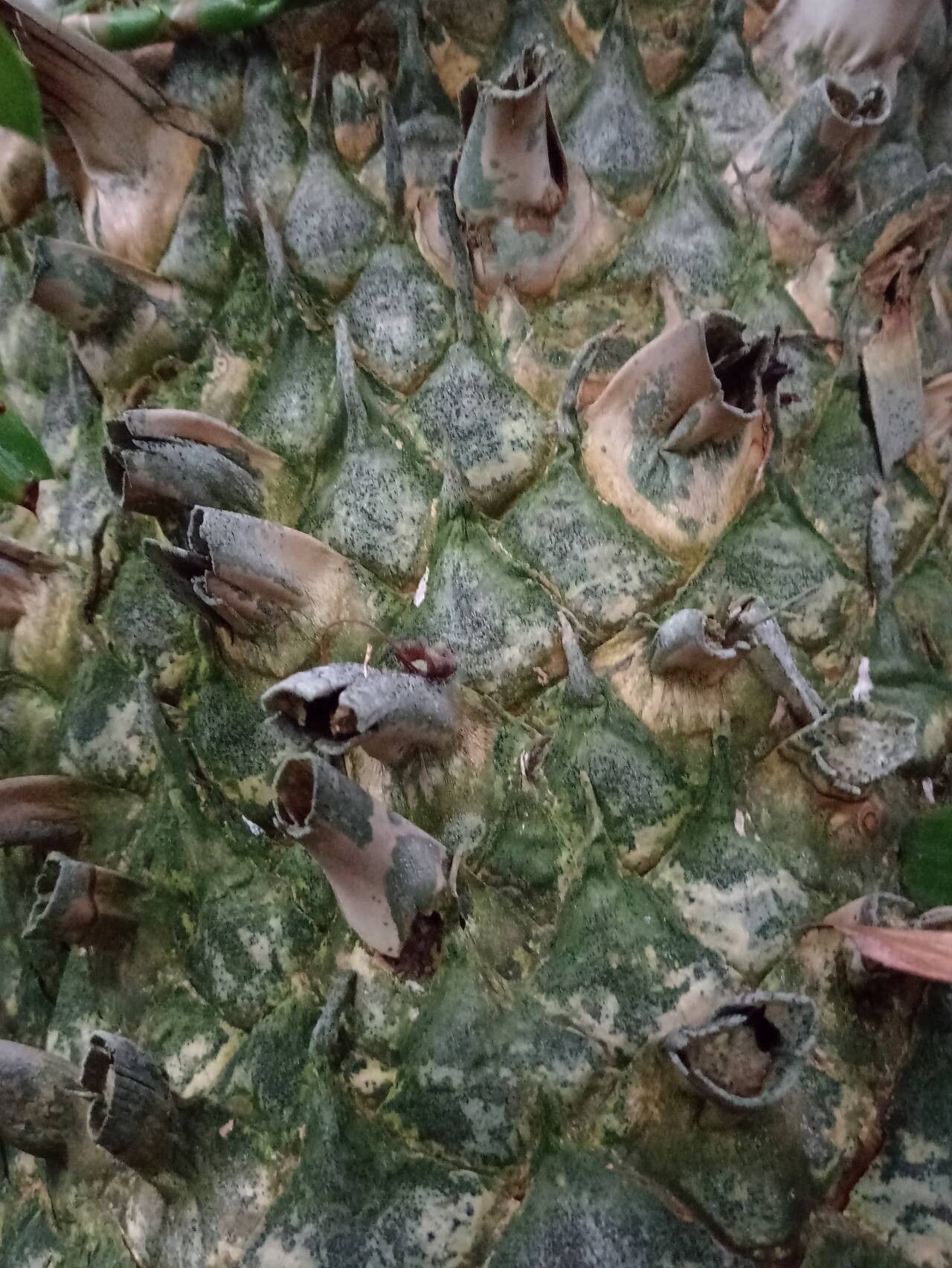
Well hello there, fellow plant enthusiasts! It’s your garden buddy here, ready to chat about one of my absolute favorites: Encephalartos longifolius. If you haven’t met this stunning cycad yet, prepare to be charmed. Its long, arching leaves, reminiscent of ancient ferns, bring a touch of the prehistoric and a whole lot of elegance to any garden. Propagating this beauty is incredibly rewarding, a chance to nurture a piece of living history right at home. Now, I won’t lie, Encephalartos longifolius isn’t exactly a beginner’s “throw it in a pot and forget it” kind of plant. It requires a bit of care and attention, but with this guide, you’ll have all the confidence you need.
The Best Time to Start
For the best chance of success, I like to aim for late spring or early summer. This is when the plant is actively growing and has plenty of energy to dedicate to rooting. You’re essentially tapping into its natural vigor. Wait until you see clear signs of new growth on your chosen piece.
Supplies You’ll Need
Gathering your tools beforehand makes the whole process smoother. Here’s what I always have on hand:
- Sharp, sterile pruning shears or a saw: Crucial for clean cuts.
- Rooting hormone powder or gel: A little boost never hurts.
- Well-draining potting mix: A blend of coarse sand, perlite, and peat moss is ideal for cycads. Think grit!
- Pots with drainage holes: Essential to prevent waterlogged roots.
- Gravel or small stones: For the bottom of pots to enhance drainage.
- Small spray bottle: For misting.
- Optional: Bottom heat mat: For certain propagation methods, this can make a big difference.
Propagation Methods
Now, let’s get our hands dirty! The most common and successful method for Encephalartos longifolius is through offsets, also known as pups. These are those little baby plants that emerge from the base of the mother plant.
Propagating Offsets (Pups):
- Identify a healthy offset: Look for a pup that’s at least a few inches in diameter and appears robust. It’s best if it has its own roots already established, though not strictly necessary.
- Carefully excavate: Gently dig around the base of the offset, using your hands or a small trowel. You want to separate it with as many of its own roots as possible.
- Make a clean cut: If the offset doesn’t naturally detach, use your sterile pruning shears or saw to make a clean cut. If there are any remnants of the mother plant’s tissue attached, trim those away cleanly as well.
- Allow it to callous: This is a critical step! Let the cut end of the offset air dry for several days in a shady, well-ventilated spot. You want that cut surface to form a dry, leathery scab. This prevents rot when you plant it.
- Apply rooting hormone (optional but recommended): Once calloused, dip the cut end into your chosen rooting hormone powder or gel. Tap off any excess.
- Plant your pup: Fill a pot with your well-draining cycad mix, making sure it’s slightly damp but not wet. Make a hole in the center big enough for the offset’s base. Firmly press the offset into the potting mix, ensuring it’s stable. You can use a stake if needed.
The “Secret Sauce” (Pro Tips)
Here are a couple of things I’ve learned over the years that really make a difference:
- Think drainage, drainage, drainage! I cannot stress this enough with cycads. If you’re using a pot, I often add a layer of gravel or stones at the bottom, before the soil, just to give that water an extra path to escape. It sounds simple, but it’s a lifesaver!
- Using a bottom heat mat for the potted offset can dramatically speed up root development. Keep the soil temperature around 70-75°F (21-24°C). This mimics the warmth of summer, encouraging those roots to get going.
Aftercare & Troubleshooting
Once your offset is planted, resist the urge to coddle it.
- Watering: Water sparingly initially. You want the soil to dry out considerably between waterings. Overwatering is the fastest way to kill a newly planted cycad. A good rule of thumb is to water only when the top inch or two of soil is dry to the touch.
- Light: Place the potted offset in a bright spot with indirect light. No direct scorching sun, please, not yet.
- Patience: Roots can take several months to establish. You’ll know it’s established when you see consistent new growth. Sometimes a slight tug will offer resistance.
The main sign of trouble is rot. If you notice the offset becoming soft, mushy, or developing blackening at the base, it’s usually a sign of too much moisture. If you catch it early, you can try taking it out, trimming away the rotted parts, letting it callous for an extended period (maybe a week or two), and replanting in fresh, dry mix.
A Encouraging Closing
Growing Encephalartos longifolius from offsets is a journey, and like any good journey, it’s best enjoyed with a patient heart and a curious mind. Don’t be discouraged if your first attempt isn’t perfect. Every cutting, every offset, is a learning experience. So gather your supplies, pick a beautiful pup, and get ready to welcome a little piece of ancient beauty into your life. You’ve got this!
Resource: