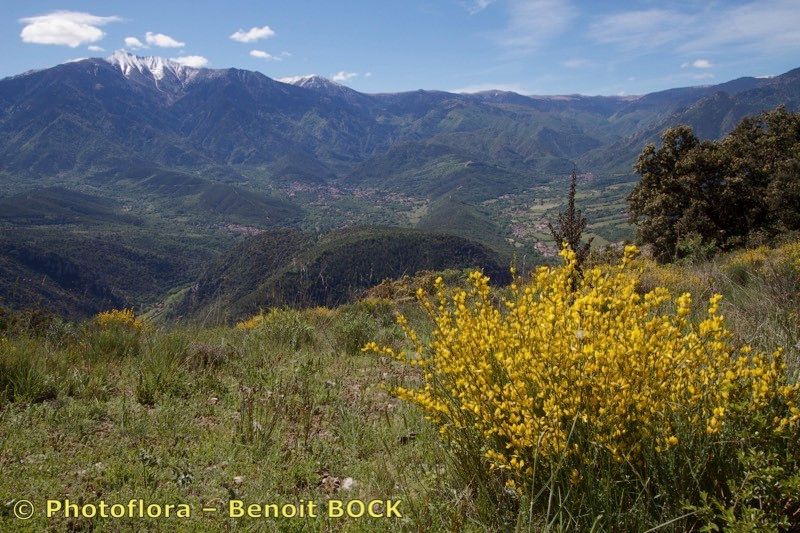
Oh, hello there, fellow plant lover! It’s so lovely to have you join me for a chat. Today, we’re diving into the wonderful world of propagating Genista ausetana. If you’ve seen this beauty in bloom, you know it’s a real showstopper. Those vibrant yellow flowers cascading over delicate, shrubby foliage are just… delightful. And the best part? You can bring that joy into your own garden by growing more of them yourself!
Now, about ease. For beginners, Genista ausetana can be a touch finicky, but don’t let that deter you! With a little patience and a few key techniques, you’ll be well on your way to success. Think of it as a rewarding challenge that truly pays off.
The Best Time to Start
My favorite time to get started with Genista ausetana is late spring to early summer. This is when the plant is actively growing, and you’ll find plenty of young, semi-hardwood stems that are perfect for taking cuttings. Avoid taking cuttings from very old, woody branches or from brand new, soft growth. You want that happy medium!
Supplies You’ll Need
Gathering your supplies beforehand makes the whole process so much smoother. Here’s what I always have on hand:
- Sharp, clean pruning shears or a sharp knife: For making clean cuts that heal well.
- Rooting hormone: While not strictly necessary for all plants, it gives Genista ausetana cuttings a significant boost. I prefer a powdered form.
- Well-draining potting mix: A good blend of perlite, coarse sand, and peat moss works wonders. You want something that won’t hold too much moisture.
- Small pots or seed trays: Clean ones are a must to prevent disease.
- Plastic bags or domes: To create a humid environment for your cuttings.
- Labels: So you don’t forget what you’ve planted and when!
- A warm, bright spot: Out of direct, scorching sun, of course.
Propagation Methods: Stem Cuttings
For Genista ausetana, stem cuttings are my go-to method. It’s reliable and gives you the best chance of success.
- Select your stems: Look for healthy, disease-free stems that are about 4-6 inches long. Gently bend a stem; if it snaps cleanly, it’s likely perfect (semi-hardwood). If it’s too flexible or too brittle, it’s probably not quite right.
- Make the cut: Using your clean shears or knife, make a clean cut just below a leaf node. A leaf node is where a leaf attaches to the stem.
- Prepare the cutting: Gently remove the lower leaves, leaving just a couple at the very top. This prevents them from rotting in the soil. You can also gently scrape a thin strip of bark from one side of the bottom inch of the stem. This exposes the cambium layer, which encourages faster rooting.
- Apply rooting hormone: Dip the cut end of the stem into the rooting hormone, tapping off any excess.
- Plant the cutting: Make a small hole in your potting mix with a pencil or your finger. Insert the cutting into the hole, ensuring the leaf nodes (where you removed leaves) are below the soil surface. Gently firm the soil around the stem.
- Water and cover: Lightly water the soil. Then, cover the pot with a plastic bag or a clear dome to create a mini-greenhouse. This keeps the humidity high, which is crucial.
The “Secret Sauce” (Pro Tips)
Here are a couple of tricks I’ve picked up over the years that really seem to help my Genista cuttings thrive:
- Bottom Heat is Your Friend: While not strictly essential, placing your pots on a gentle heat mat can significantly speed up the rooting process. Genista love a bit of warmth at their base, encouraging those roots to form.
- Don’t Drown Them: It’s tempting to water generously, but overwatering is a killer of tender cuttings. The soil should be consistently moist, but not waterlogged. If you see water pooling, you’ve added too much.
Aftercare & Troubleshooting
Once your cuttings are potted, place them in a bright location out of direct sunlight. You can keep the soil lightly moist, but resist the urge to overwater. Periodically, lift the plastic bag or dome to allow for airflow – this helps prevent fungal issues.
You’ll know your cuttings are rooting when you see new leaf growth or feel a gentle resistance when you very lightly tug on the stem. This usually takes several weeks, so patience is key!
If you see blackening at the stem base or the leaves rapidly yellow and wilt, it’s often a sign of rot, usually due to too much moisture. Don’t despair! Sometimes, a cutting can still be salvaged if you catch it early. Remove the affected cutting, and try to improve drainage and airflow for the others.
A Little Encouragement
See? It’s not as daunting as it might seem! Propagating Genista ausetana is a truly rewarding process. It allows you to share this stunning plant with friends, fill your garden with more of its sunshine, and, of course, gain that wonderful sense of accomplishment that comes with growing something beautiful from a tiny piece of a parent plant. Be patient with yourself and your new little green babies. Happy propagating!
Resource: