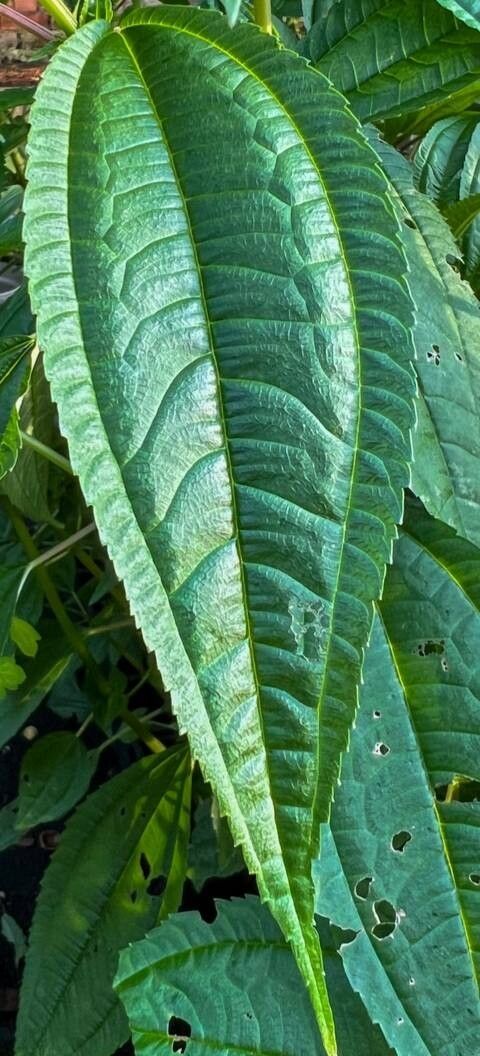
Hey there, fellow plant lovers! It’s so wonderful to have you here. Today, we’re going to dive into the delightful world of Pilea scripta. If you’re eyeing that gorgeous, trailing Pilea with its darling, patterned leaves, you’re in for a treat. This little charmer adds such a unique texture and a touch of delicate beauty to any space. And the best part? Multiplying your own Pilea scripta is surprisingly rewarding and, dare I say, quite straightforward. Even if you’re just dipping your toes into the plant world, you’ll find this a very welcoming project.
The Best Time to Start
For the highest success rate with your Pilea scripta cuttings, the spring and summer months are your best friends. This is when the plant is actively growing, meaning it has plenty of energy to put into developing new roots. You want to be taking cuttings from healthy, vigorous stems—the ones that are unfurling new leaves or are just generally looking lush and full. Avoid taking cuttings from a plant that’s stressed, perhaps from recent repotting or being under-watered.
Supplies You’ll Need
Gathering your tools beforehand makes the whole process smooth sailing. Here’s what you’ll want on hand:
- Sharp, clean pruning shears or scissors: A good pair of snips ensures a clean cut, which is vital for preventing disease.
- Rooting hormone (optional but recommended): This can give your cuttings an extra boost.
- Well-draining potting mix: A mix designed for houseplants or succulents works well. I like to add perlite or orchid bark to my standard potting soil for extra aeration.
- Small pots or propagation trays: Ensure they have drainage holes!
- Clear plastic bag or a propagation dome: This helps maintain humidity.
- Water: Filtered or distilled water is best if your tap water is very hard.
Propagation Methods
Pilea scripta is a champion when it comes to propagation, and stem cuttings are my go-to method. They’re simple and incredibly effective.
Stem Cuttings:
-
Find a healthy stem: Look for a mature stem that has at least a couple of leaf nodes (the little bumps where leaves emerge).
-
Make the cut: Using your clean shears, cut the stem about 1-2 inches below a leaf node. You can even take cuttings that have several nodes on them.
-
Prepare your cutting: Gently remove any lower leaves from the stem. You want at least one or two leaf nodes exposed on the part that will be under the soil or in the water. If your cutting has very large leaves, you can even cut those in half to reduce water loss.
-
Apply rooting hormone (optional): Dip the cut end of the stem into rooting hormone, tapping off any excess.
-
Planting or water propagation:
- For soil propagation: Make a small hole in your prepared potting mix with your finger or a pencil. Gently insert the cutting so that at least one leaf node is buried beneath the soil surface. Firm the soil gently around the stem.
- For water propagation: Fill a small jar or glass with water and place the cutting in the water, ensuring that at least one leaf node is submerged. Make sure the leaves stay above the waterline.
-
Humidity is key: Lightly water the soil if you’ve planted your cutting. Then, cover the pot or the jar with a clear plastic bag or place it inside a propagation dome. This creates a humid environment, which is crucial for root development. Anchor the bag so it doesn’t touch the leaves.
-
Placement: Place your propagated cuttings in a bright, indirect light location. Avoid direct sunlight, which can scorch the tender new growth.
The “Secret Sauce” (Pro Tips)
Okay, spill the beans time! Here are a few things I’ve learned over the years that really make a difference:
- Bottom Heat is Your Friend: If you’re having trouble getting roots, think about a heat mat. This little boost of warmth from below can significantly speed up root formation, especially if your home tends to be on the cooler side. It mimics the warmth of spring soil beautifully.
- Don’t Drown Your Cuttings: Whether in soil or water, don’t let the leaves of your Pilea scripta sit in the water. This is a fast track to rot. If you’re using water propagation, refreshing the water every few days is also a good idea to keep it clean and oxygenated.
- Embrace a Little Leaf Dropping: Don’t panic if a lower leaf or two on your cutting yellows and falls off. It’s often the plant sacrificing older leaves to put energy into root growth. As long as the stem remains firm and you see signs of new growth, you’re doing great!
Aftercare & Troubleshooting
Once you see those beautiful new roots peeking out from the drainage holes of your pot or the stem looking a bit more robust in water, it’s time to start transitioning.
- For Water Propagation: Slowly acclimatize your new plant to normal room humidity. You can start by removing the plastic bag for a few hours each day, gradually increasing the time. Once it has a good root system, pot it up into a well-draining soil mix.
- For Soil Propagation: Continue to keep the soil consistently moist but not soggy. Once you see new growth, you can treat it like a mature Pilea scripta.
- Common Signs of Failure: The most common issue is rot, which usually shows up as a mushy, black stem, or yellowing and wilting leaves that don’t bounce back. This is often due to overwatering or poor air circulation. If you see rot, it’s usually best to discard the cutting and start again, ensuring better drainage and lighter watering. Another sign of trouble is a stem that looks healthy but doesn’t root after a long time. This might mean the cutting wasn’t viable, the conditions weren’t right, or it just needed more time.
Keep Growing!
Propagating Pilea scripta is such a satisfying journey. It’s a wonderful way to share your love of plants with friends and family, and of course, to fill your home with these lovely leafy companions. Be patient with your new green babies, nurture them with care, and enjoy the magic of watching them flourish. Happy propagating!
Resource: