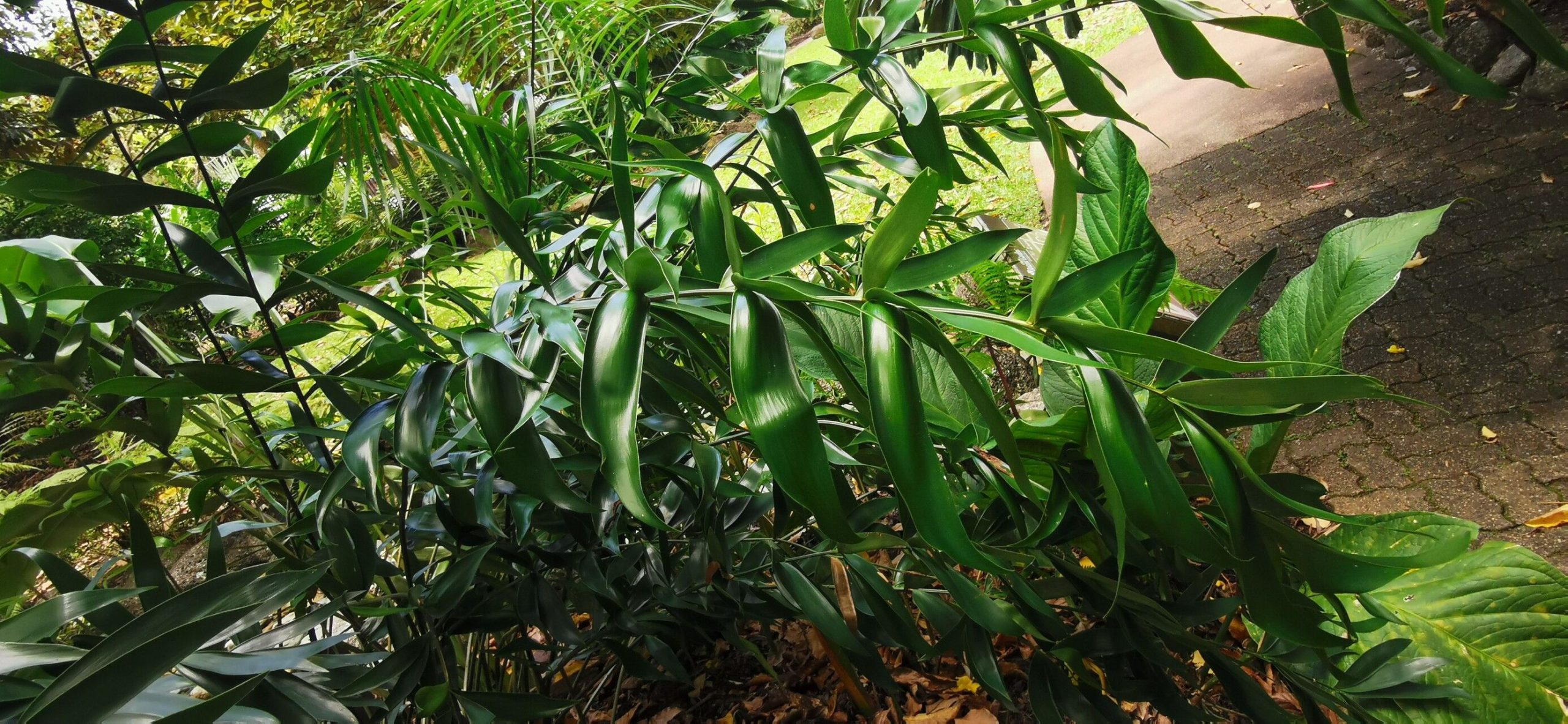
Hello, fellow garden enthusiasts! Today, we’re diving into the fascinating world of Ceratozamia hildae, often called the “Pine Cone Palm” or Hilday’s Zamia. These cycads are absolute beauties, with their elegant, feathery fronds and that intriguing cone-like structure. Growing one from scratch is incredibly rewarding, a real testament to your patience and green thumb. Now, let me be honest, Ceratozamia hildae isn’t the easiest plant for a complete beginner to propagate. They have a bit of a specific touch required, but with this guide, I’m confident you can give it a good shot!
The Best Time to Start
For Ceratozamia hildae, the sweet spot for propagation is generally during its active growth period. Think late spring through summer. This is when the plant is full of energy and has the best chance of successfully developing new roots. You’re looking for a healthy, mature plant that’s actively producing new fronds.
Supplies You’ll Need
Here’s what you’ll want to have on hand:
- Sharp, sterile pruning shears or a sharp knife: For clean cuts.
- Rooting hormone: A powder or gel formulation specifically for stem cuttings can be beneficial.
- Well-draining potting mix: A cactus and succulent mix is a great base, or you can create your own by blending equal parts peat moss, perlite, and coarse sand.
- Small pots or seed trays: With drainage holes, of course!
- Watering can or spray bottle: For gentle moisture.
- Optional: A heat mat: This can really give your cuttings a boost.
- Optional: Clear plastic bag or dome: To create a humid environment.
Propagation Methods
Ceratozamia hildae is primarily propagated by division. While stem cuttings are possible for some cycads, divisions are usually more successful and less stressful for this particular species.
Division: The Trusted Method
- Gently remove the plant from its pot. You might need to loosen the soil around the edges with a trowel or knife.
- Inspect the root ball. Look for natural points where the plant has branched off, forming smaller clusters or “pups.” These usually have their own root system emerging.
- Using your sterile pruning shears or knife, carefully separate a pup. Aim to get as many roots attached to the pup as possible. If a pup doesn’t have visible roots yet, that’s okay; we’ll encourage them.
- Trim away any damaged or dead leaves from the pup.
- Dip the cut end of the pup in rooting hormone. Tap off any excess powder. This step is particularly important if the pup has limited roots.
- Pot the pup in your prepared well-draining mix. Make sure it’s planted securely, but not too deep. The base of the fronds should be at soil level.
- Water lightly. You want the soil to be evenly moist, but not waterlogged.
- Place the pot in a bright spot with indirect light. Avoid direct sun, which can scorch the new cuttings.
- Maintain consistent moisture. Keep the soil lightly damp, but allow the top layer to dry out slightly between waterings.
The “Secret Sauce” (Pro Tips)
Here are a couple of tricks I’ve learned over the years that make a difference:
- Don’t overwater! This is probably the most critical point for cycads. They absolutely hate sitting in soggy soil. Think about their natural arid or semi-arid habitat – they’re adapted to drying out between rains. Soggy conditions are a fast track to rot.
- Use bottom heat if you can. Placing your pots on a gentle heat mat can significantly speed up root development. It mimics the warmth of the soil in their native environment, giving those roots an encouraging nudge.
Aftercare & Troubleshooting
Once your new Ceratozamia hildae pup shows signs of new growth – perhaps a new frond unfurling – that’s a good indicator that roots are forming! Continue to water sparingly, allowing that soil to dry out between waterings.
Common Pitfalls and How to Fix Them:
- Rotting: If a cutting turns mushy, black, or smells funky, it’s likely rot. This usually boils down to overwatering or poor drainage. If you catch it early, you might be able to salvage it by cutting away the rotten parts with your sterile shears and repotting in fresh, dry soil. Unfortunately, sometimes rot is irreversible.
- Drooping Fronds: This can be a sign of underwatering, but also stress. Make sure it’s getting enough light and try to keep the humidity slightly elevated if the air is very dry (a misting now and then, or that plastic bag trick mentioned earlier, can help, but again, be careful not to make the soil wet).
A Little Patience Goes a Long Way
Propagating Ceratozamia hildae is a journey, not a race. These plants grow at their own pace, and their success relies on us mimicking their preferred conditions as best we can. Don’t get discouraged if your first attempt doesn’t yield immediate results. Keep observing your plant, adjust your watering, and enjoy the process of nurturing new life. Happy gardening!
Resource: